
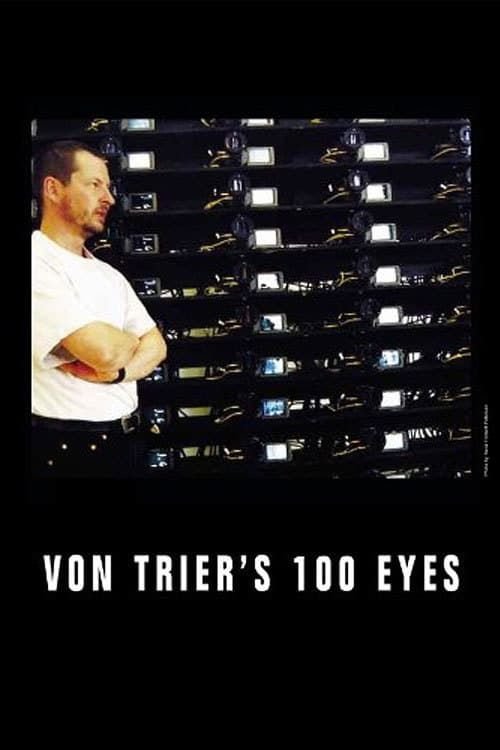
Von Trier's 100 Eyes
Although at first sight this might look like a simple ‘making of DANCER IN THE DARK’, the later developments in the film reveal the whole drama of Lars von Trier’s inner life during the shooting process. All his doubts and insecurities in collaborating with the crew and actors - especially actresses - are exposed. The biggest drama started when Björk walked off the set. Nobody knew whether she would be back or not. Admitting that he feels threatened by women, who can ‘make him feel embarrassed’, the director gives this documentary the nature of a personal diary. When he discusses the importance, purpose and beauty of the use of a hundred cameras in a certain sequence or the meaning of the Dogma 95 rules, the audience is witnessing the process of the artist’s search. Is the pain that the director went through during the shooting really visible in the final result, as Lars von Trier claims in this film? (from: http://www.idfa.nl/)
Insights
Plot Summary
In 1960s America, Selma, a Czech immigrant, works tirelessly in a factory to save money for an operation that will prevent her son from inheriting her hereditary blindness. While struggling to make ends meet and facing mounting personal tragedies, Selma finds solace and escape in her passion for music and her vivid imagination, which manifest in elaborate musical numbers. Her world begins to unravel as her financial situation and her secret condition put her at risk of losing everything.
Critical Reception
Dancer in the Dark was a highly divisive film, earning both critical acclaim and considerable controversy. Its bold artistic choices, particularly the integration of musical numbers and its bleak narrative, polarized audiences and critics. Björk's performance and the film's unconventional style were frequently cited as highlights, while its unrelenting darkness and emotional intensity were points of contention.
What Reviewers Say
- Praised for its unique blend of bleak drama and vibrant musical sequences.
- Björk's raw and emotional performance was a significant highlight.
- Criticized for its extreme emotional manipulation and overwhelming despair.
Google audience: Audiences found the film emotionally harrowing but were often captivated by Björk's performance and the striking musical numbers. While some appreciated its artistic ambition and raw emotional power, many found the narrative overwhelmingly bleak and difficult to watch.
Awards & Accolades
Palme d'Or at the 2000 Cannes Film Festival. Björk won Best Actress at Cannes.
Fun Fact
Lars von Trier reportedly told Björk that if she cried during a scene, he would stop filming. This led Björk to mentally re-live traumatic personal memories to induce tears, often needing to be physically pulled away from her intense emotional state by the crew.
AI-generated overview · Verify ratings on official sources