Movie spotlight
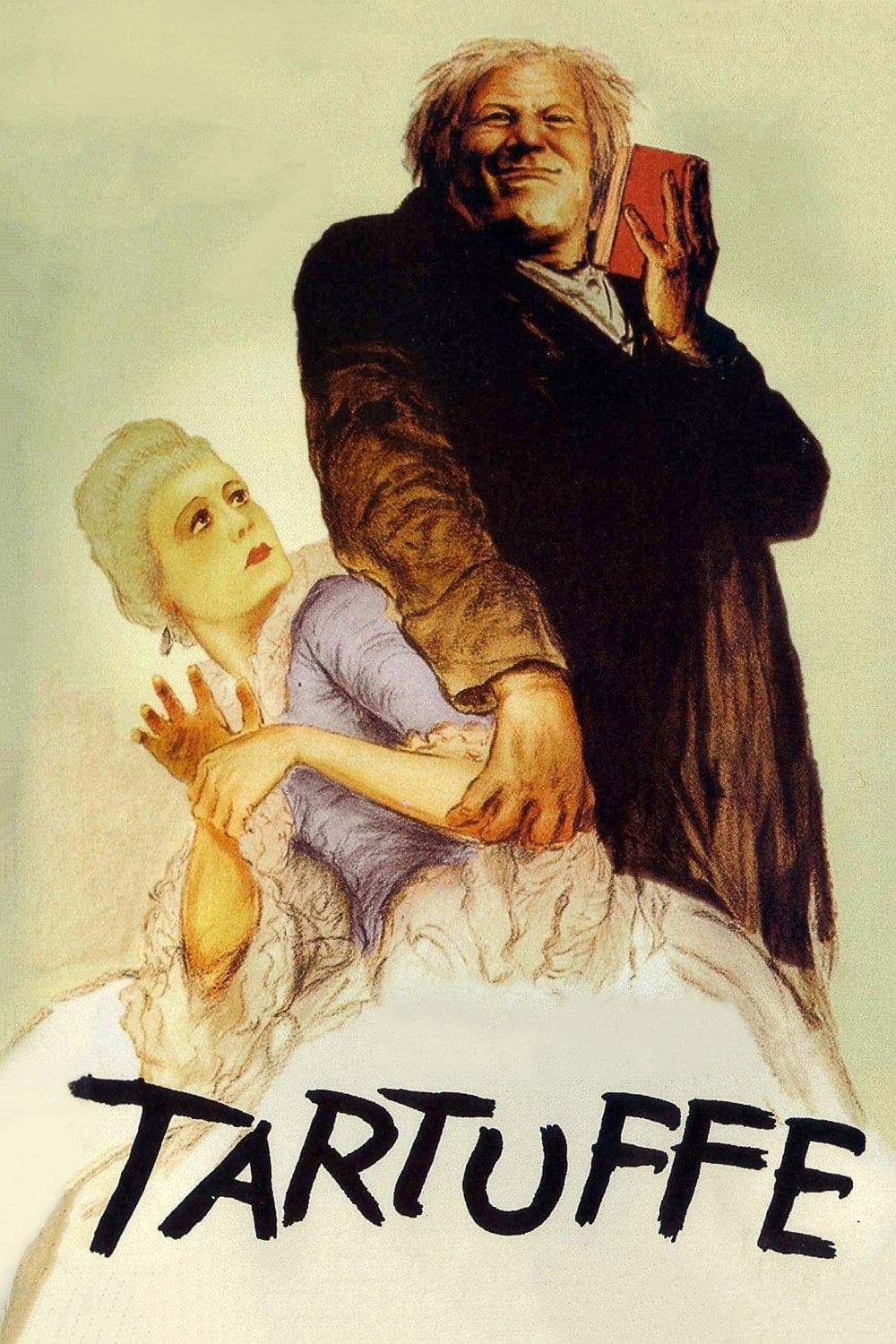
Tartuffe
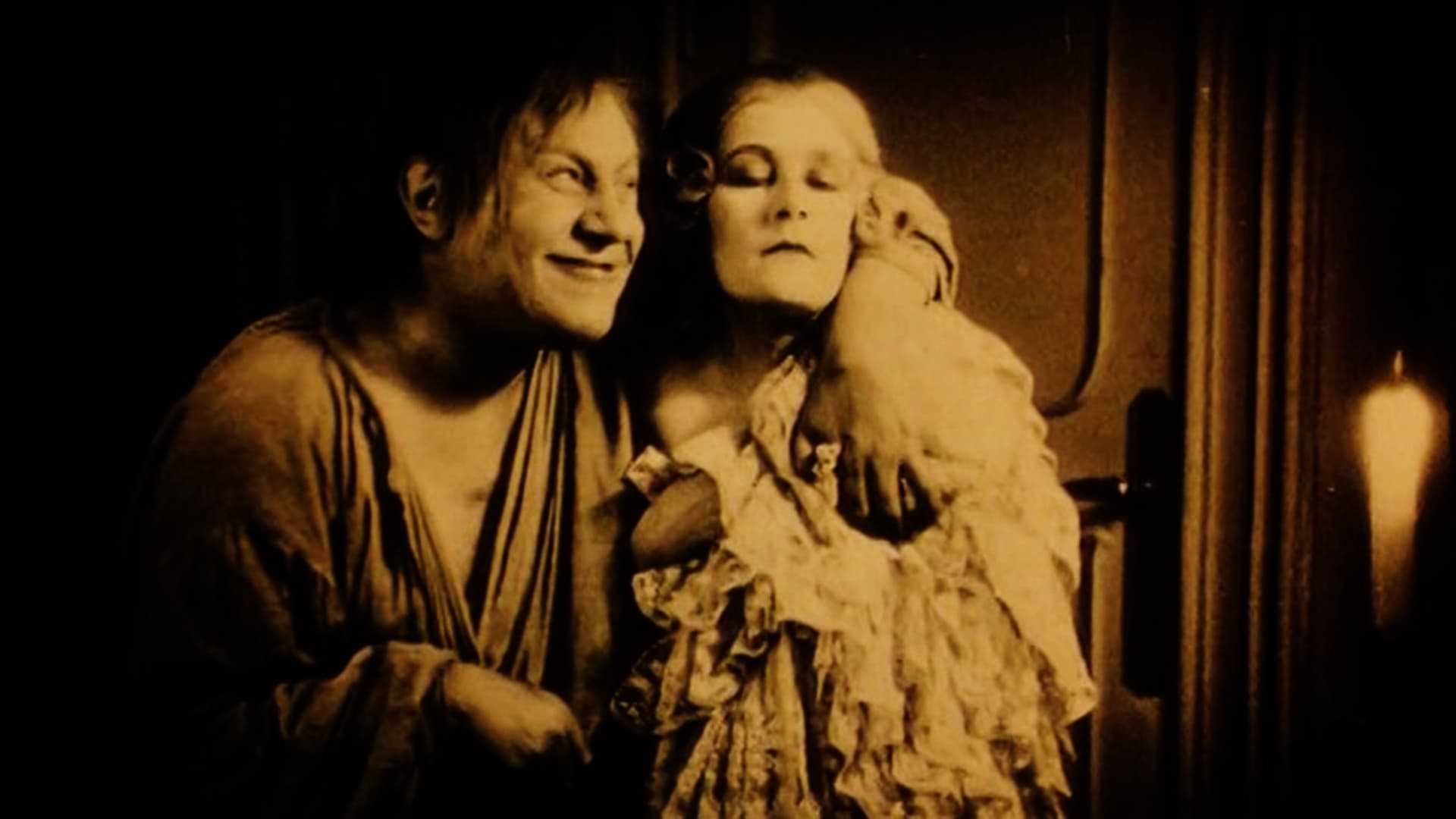
A young man shows his millionaire grandfather a film based on Molière's play "Tartuffe" in order to expose the old man's hypocritical governess who covets the young man's inheritance.
Insights
Plot Summary
In this silent film adaptation of Molière's classic play, a wealthy Parisian bourgeois family is taken in by the pious and seemingly virtuous Tartuffe. Tartuffe, however, is a master manipulator who schemes to gain control of the family's fortune and possessions, while also lusting after the wife of his benefactor. The film chronicles the growing suspicion of the family patriarch and the eventual unmasking of Tartuffe's true, deceitful nature.
Critical Reception
F.W. Murnau's silent adaptation of Molière's "Tartuffe" was a critical success, praised for its masterful direction and strong performances, particularly from Emil Jannings. It was recognized for its faithfulness to the spirit of the original play while effectively translating its comedic and dramatic elements into the visual language of cinema.
What Reviewers Say
Praised for its strong direction and adherence to the source material.
Emil Jannings' performance as Tartuffe was widely lauded.
A visually striking and theatrically effective adaptation for its time.
Google audience: As a silent film from 1926, specific Google user reviews are not available. However, contemporary critical reception highlighted its successful adaptation of a classic stage play into a compelling cinematic experience.
Fun Fact
F.W. Murnau was initially hesitant to direct a comedy, but was convinced by the opportunity to work with Emil Jannings and adapt a universally known literary work.
AI-generated overview · Verify ratings on official sources