
Movie spotlight
Le Chiffonnier de Paris
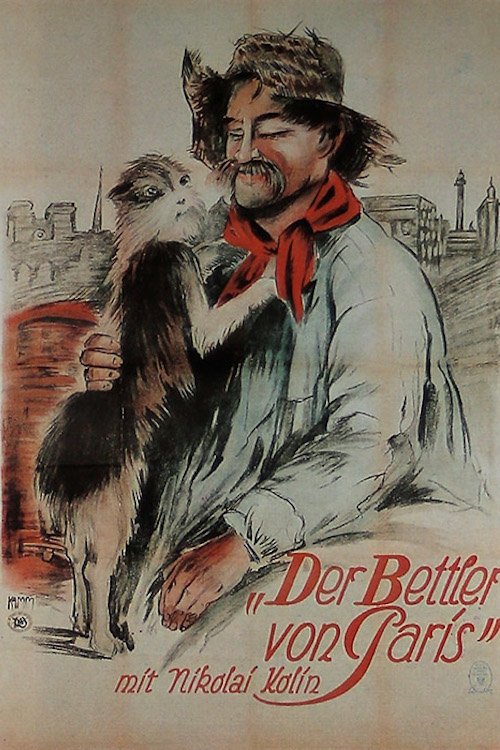
Paris, under the reign of King Louis-Philippe. Jean, a rag-and-bone man, witnesses a murder. The victim begs him to adopt little girl Marie Didier. 20 years later, in 1846, she has grown into a beautiful young lady and works as a seamstress. One night, she is taken to a party where she is insulted by the nasty Baron Hoffmann because she was wearing the dress she had made for his daughter. Dashing Henri de Berville takes her defense.
Insights
Plot Summary
This silent film tells the story of a poor ragpicker who is secretly wealthy. She lives a life of apparent destitution while accumulating a fortune, navigating complex relationships and the stark realities of her social standing. Her hidden wealth becomes a central element in the unfolding narrative.
Critical Reception
As a silent film from the early 20th century, 'Le Chiffonnier de Paris' received attention primarily within its contemporary context. Jean Epstein was a significant figure in French avant-garde cinema, and his works were often noted for their artistic merit and experimental techniques. While specific contemporary reviews are hard to aggregate in modern terms, Epstein's films were generally appreciated by cinephiles and critics interested in cinematic innovation.
What Reviewers Say
Praised for its evocative visual style and artistic direction typical of Jean Epstein's work.
Recognized for its compelling narrative exploring themes of social class and hidden identity.
Appreciated as an example of early French cinematic artistry.
Google audience: Information on specific Google user reviews for this 1924 silent film is not available.
Awards & Accolades
None notable.
Fun Fact
Jean Epstein was a pioneer of French Impressionism in cinema, known for his experimental approaches to light, framing, and subjective perspective.
AI-generated overview · Verify ratings on official sources