
Movie spotlight
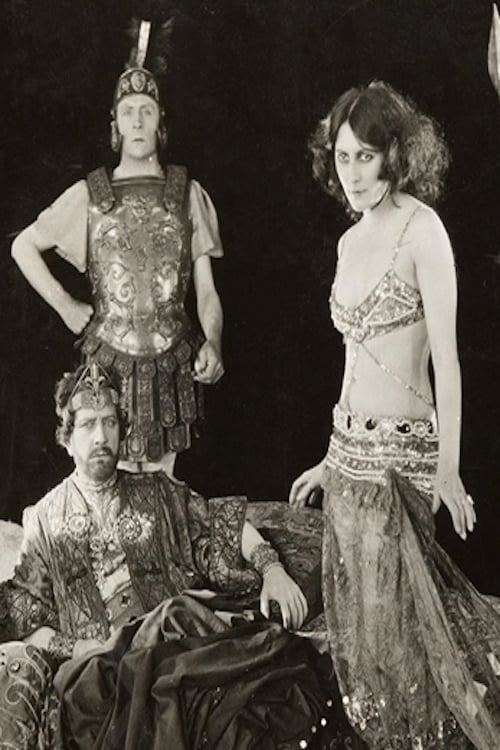
The Cradle of God
A young intellectual, J. Powers, loses his faith in God after the untimely death of his wife. He devotes his great talents to writing a shockingly blasphemous book, debunking all religion, and then embarks on a trip to Jerusalem. Far from reconciling him to God, the sight of all the different sects worshipping in that ancient city only serves to embitter him and deepen his unbelief. One day, wandering in the country, he loses his way and stops to ask directions at a small house. The inhabitants are a poor but devout family whose daughter, Ruth, revives his broken heart. At the risk of losing her, he confesses to her his loss of faith, and she gently declares that meditation on the Gospels will heal him. He sorrowfully tells her that he wishes he could believe as she does, but it is impossible.
Insights
Plot Summary
This silent film explores the life of Jesus Christ, from his birth to his crucifixion. It attempts to portray the historical and cultural context of the era, focusing on the significant events and teachings of Jesus. The narrative follows his journey, his interactions with disciples and followers, and the religious and political turmoil of Judea.
Critical Reception
As a silent film from the 1920s, 'The Cradle of God' received attention for its ambitious scope and attempt to depict a significant religious figure. Contemporary reviews often highlighted its visual presentation and its devout approach to the subject matter, though some noted limitations in its narrative pacing and dramatic interpretation typical of the era.
What Reviewers Say
Praised for its reverent portrayal of Jesus Christ.
Appreciated for its visual scope and historical setting in silent cinema.
Considered a earnest, if somewhat dated, dramatic interpretation of biblical events.
Google audience: Information on specific Google user reviews from 1926 is not available. However, films of this nature were generally met with a mix of religious appreciation and critical analysis of their cinematic execution during that period.
Fun Fact
This film was one of the few ambitious biblical epics produced during the silent film era, attempting to bring the story of Jesus to the screen with significant detail for its time.
AI-generated overview · Verify ratings on official sources