
Movie spotlight
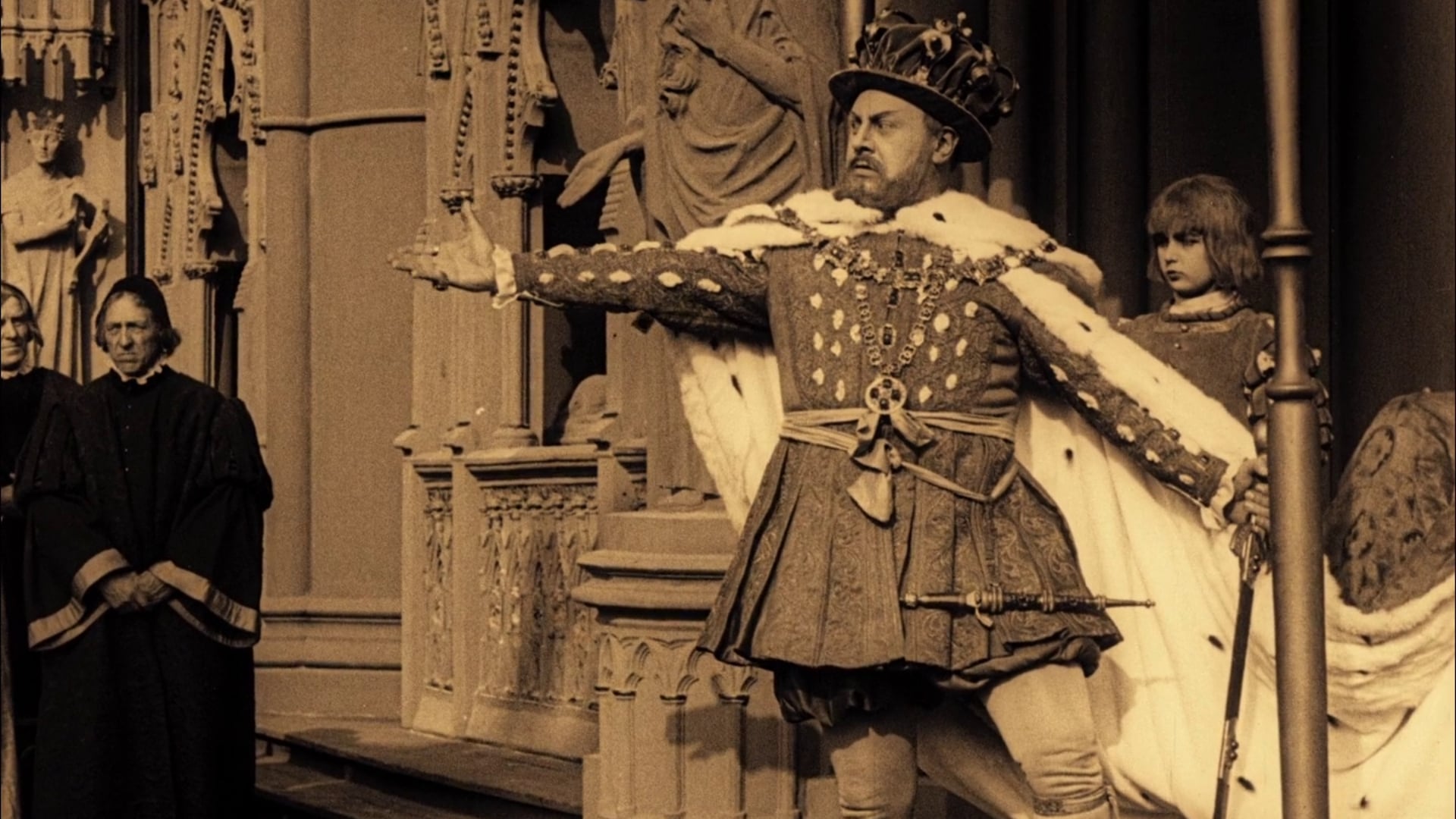
Anna Boleyn
The story of the ill-fated second wife of the English king Henry VIII, whose marriage to the Henry led to momentous political and religious turmoil in England.
Insights
Plot Summary
This silent film epic chronicles the tumultuous rise and tragic fall of Anne Boleyn, the second wife of King Henry VIII. It follows her ambition, her passionate relationship with the king, and the political machinations that ultimately lead to her execution. The film focuses on the opulence and intrigue of the Tudor court, portraying Anne as a complex figure caught in a web of royal desire and religious upheaval.
Critical Reception
As a major silent film production from Germany, "Anna Boleyn" was recognized for its lavish scale, dramatic performances, and historical ambition. While specific contemporary reviews are scarce due to the era, it was considered a significant cinematic achievement of its time, showcasing Ernst Lubitsch's directorial prowess and Emil Jannings's star power. Its visual grandeur and operatic drama were hallmarks of German Expressionism, even as it leaned towards historical spectacle.
What Reviewers Say
Praised for its impressive production design and visual spectacle.
Noted for powerful dramatic performances, particularly from Emil Jannings.
Considered a significant example of epic historical filmmaking in the silent era.
Google audience: Audience reception for this silent film is not readily available through modern platforms. However, its historical significance and artistic merits suggest it was well-regarded by those who experienced it during its initial release and subsequent revivals.
Fun Fact
The film famously features a scene where Anne Boleyn is depicted playing the lute, a detail added to enhance her character's artistic and intellectual portrayal.
AI-generated overview · Verify ratings on official sources