
Movie spotlight
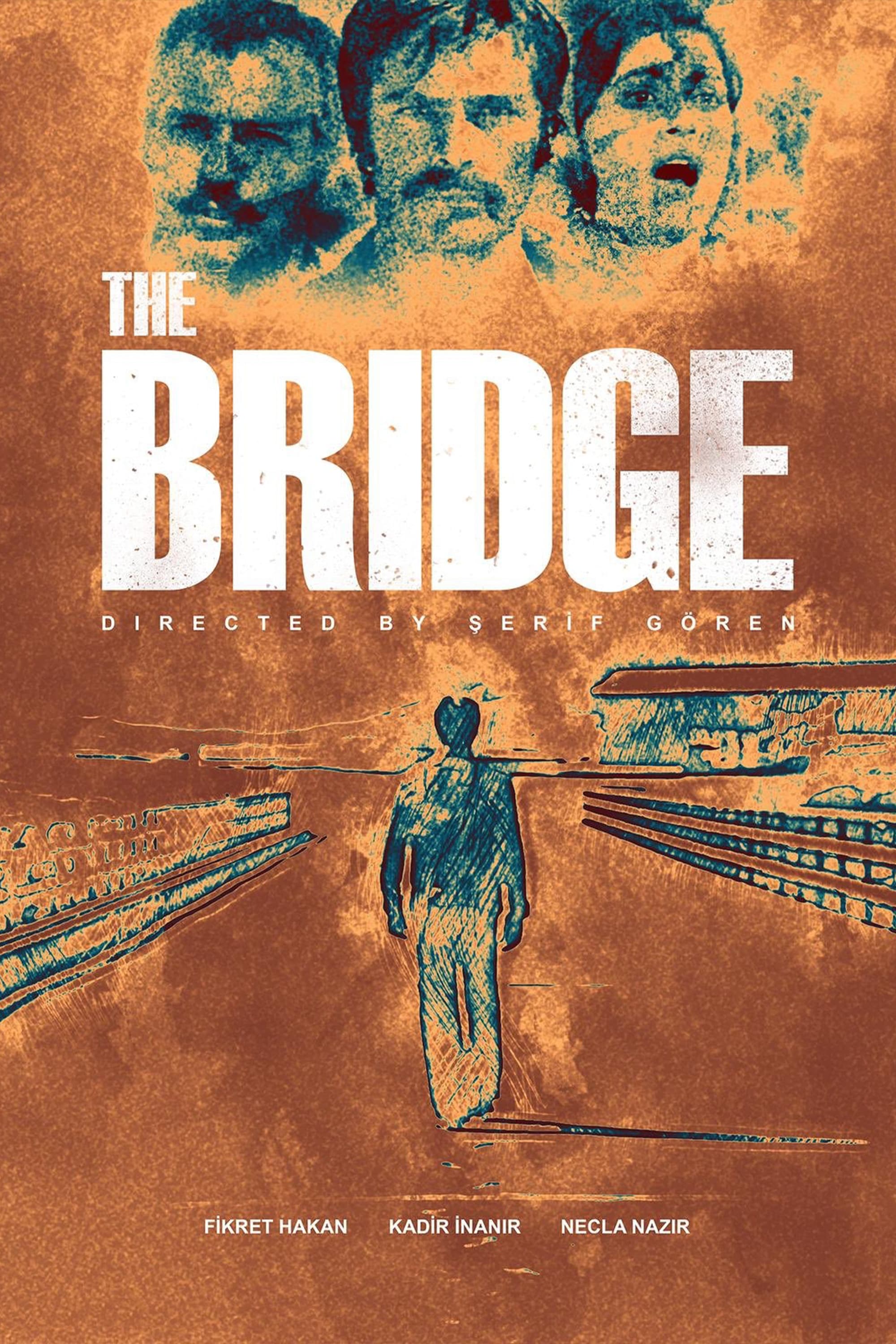
Köprü
The film tells the story of Ahmet's struggle to build a bridge in his village after losing his mother in the Euphrates River. Ahmet's mother drowns in the Euphrates River while being taken to give birth. Left orphaned, Ahmet is raised by Hasan, a ferryman who acts as a father figure to him. After finishing school and becoming an engineer, Ahmet returns to his village. His return brings joy to Hasan, his friend Osman, and his beloved Zeynep. However, Ahmet's desire to build a bridge over the river will cast a shadow over this happiness.
Insights
Plot Summary
The film tells the story of a determined woman who works tirelessly to build a bridge in her village, facing numerous obstacles from the local community and nature. Despite initial resistance and hardship, her unwavering spirit and hard work eventually lead to the completion of the bridge, symbolizing progress and unity for the villagers. The narrative explores themes of perseverance, community development, and the impact of a single individual's vision.
Critical Reception
Köprü was a significant film in Turkish cinema, praised for its compelling narrative and strong performances, particularly from its lead actors. It resonated with audiences for its depiction of rural life and themes of overcoming adversity, becoming a well-regarded drama of its era.
What Reviewers Say
Praised for its strong directorial vision and emotional depth.
Hailed for the powerful performances of its lead actors, especially Türkan Şoray.
Applauded for its realistic portrayal of village life and social issues.
Google audience: Audience reception for Köprü is generally positive, with viewers often highlighting the film's emotional impact and the compelling story of perseverance. The strong character development and relatable themes contribute to its enduring appeal among Turkish cinema enthusiasts.
Fun Fact
The film's success contributed to the strong partnership between lead actors Türkan Şoray and Kadir İnanır, who starred together in numerous popular films throughout the 1970s and 1980s.
AI-generated overview · Verify ratings on official sources