
Movie spotlight
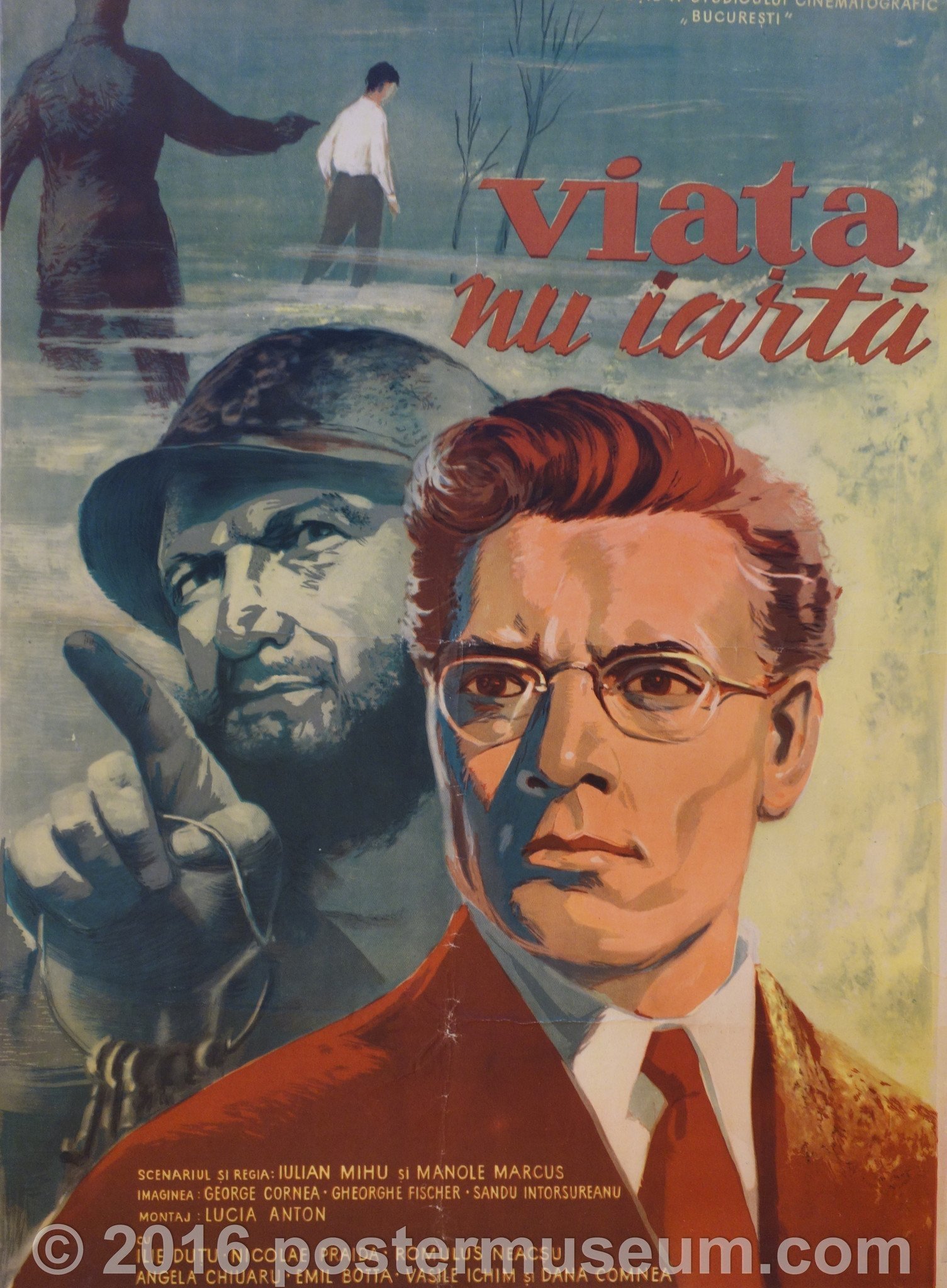
Life Doesn't Spare
Dying in the trenches during World War II, Stefan looks back at his own life and that of his father. Through his memories, the film presents a story that embraces two generations and various eras. It is a film about the tragedy of lives dragged into conflicts against their will, of lives violently ruined or ended – a story about the devastating consequences of war. Interweaving past and present, the flashback narrative depicts the war as a perpetual situation where the “little people” always turn out to be on the losing side.
Insights
Plot Summary
Set during the tumultuous years of World War II, the film chronicles the lives of Soviet citizens facing immense hardship and loss. It focuses on the resilience of ordinary people as they grapple with the physical and emotional toll of war, emphasizing themes of sacrifice, love, and the enduring human spirit.
Critical Reception
The film was a significant Soviet production that resonated with audiences for its portrayal of wartime struggles and patriotic themes. While its artistic merits were recognized within its national context, international critical reception was more limited due to its ideological underpinnings and the era's geopolitical climate.
What Reviewers Say
Praised for its depiction of Soviet resilience during wartime.
Often noted for its strong emotional performances.
Some critics found its narrative to be overtly propagandistic.
Google audience: While specific Google user reviews for this older Soviet film are not readily available, general audience reception in its time likely focused on its patriotic message and the emotional impact of its war-time narrative.
Fun Fact
The film was based on the experiences of its director, Sergei Gerasimov, and his wife, Tamara Makarova, who also starred in the film, during World War II.
AI-generated overview · Verify ratings on official sources