Movie spotlight
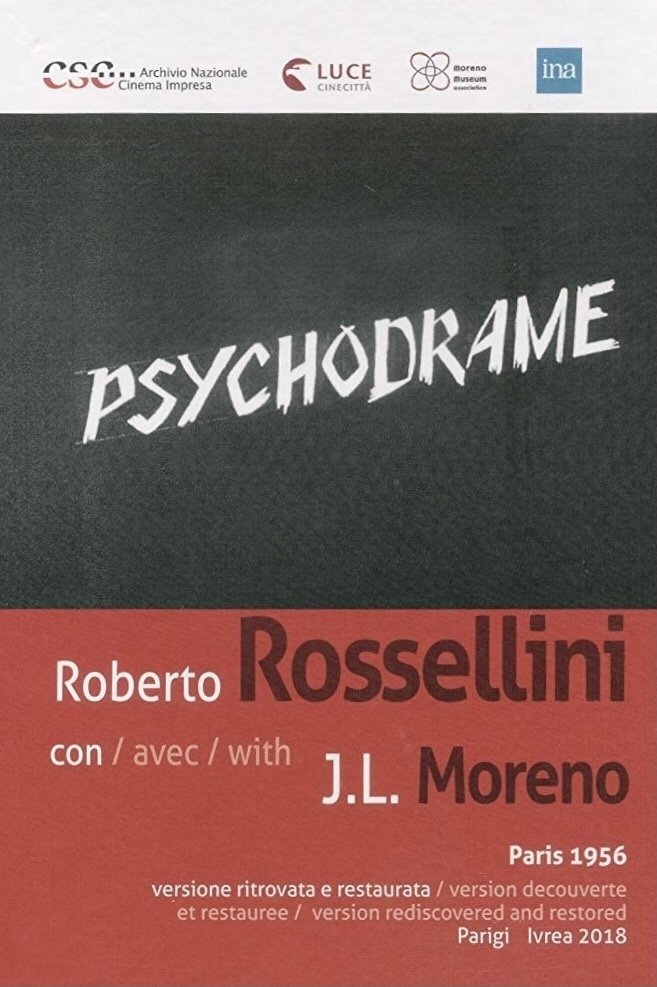
Le Psychodrame
Roberto Rossellini shot the film Psycodrame in 1956 for the Center d'études de radiotélévision. The staging of three "psychodramas" - organized by Professor Jacob Levi Moreno with Anne Ancelin Schutzemberger - gives Rossellini the opportunity to reflect on what can become a particularly congenial acting technique, and, in general, on the potential of didactic tv. Director of photography a very young Claude Lelouche. Digital restoration by the Archivio Nazionale Cinema Impresa - CSC and Institut National of l'Audiovisuel in collaboration with Museo Moreno.
Insights
Plot Summary
This short film appears to be an early exploration of psychological themes, likely presented through symbolic imagery and narrative. It delves into the internal struggles of its characters, using cinematic techniques to portray their mental states and emotional journeys. The film's concise runtime suggests a focused and impactful exploration of its subject matter.
Critical Reception
As a very early and short film, 'Le Psychodrame' is more of historical interest than a subject of contemporary critical analysis. Its significance lies in its experimental nature for the era and its potential contribution to the early development of psychological themes in cinema. Information on audience reception from its time is scarce.
What Reviewers Say
A historically significant early cinematic experiment.
Explores psychological themes with the limited technology of its time.
Primarily of interest to film historians and enthusiasts of early cinema.
Google audience: Due to its age and obscurity, there is no significant data available for Google user reviews or summaries for 'Le Psychodrame'.
Fun Fact
Gaston Velle, the director and likely star of 'Le Psychodrame', was a pioneering figure in early French cinema, working with Georges Méliès and contributing to the development of film narrative and special effects in the late 19th and early 20th centuries.
AI-generated overview · Verify ratings on official sources