Movie spotlight
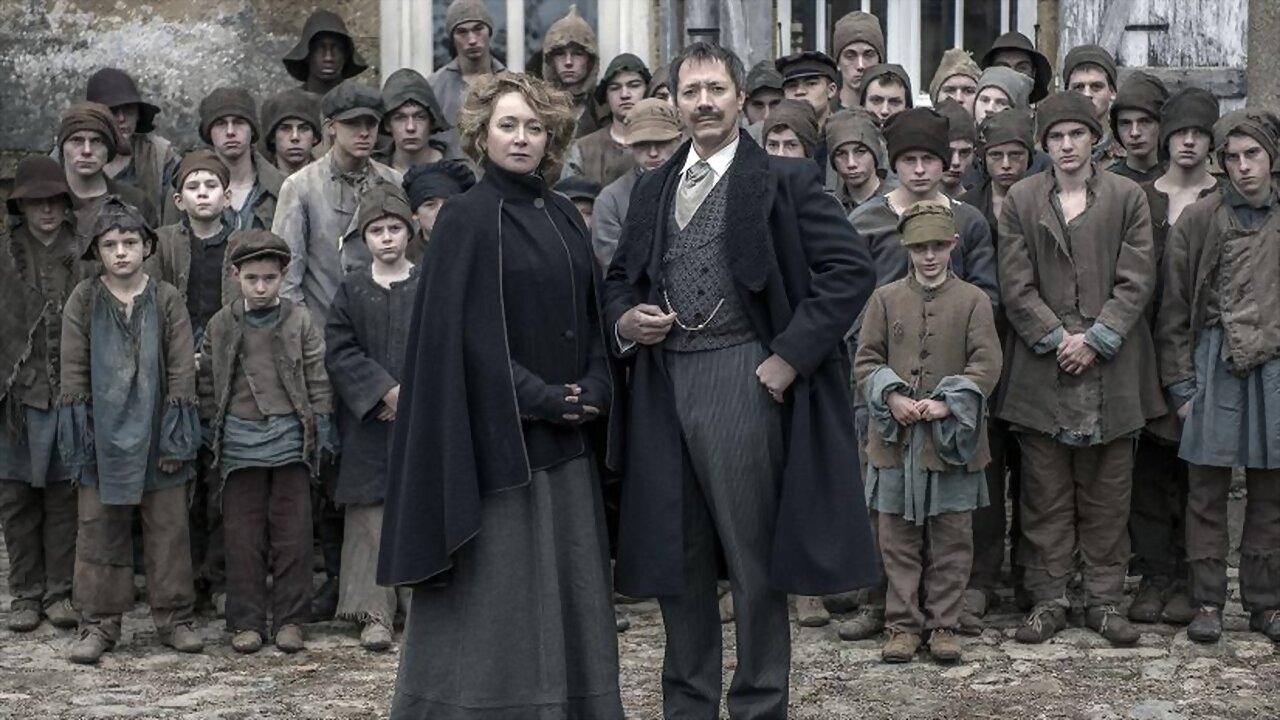
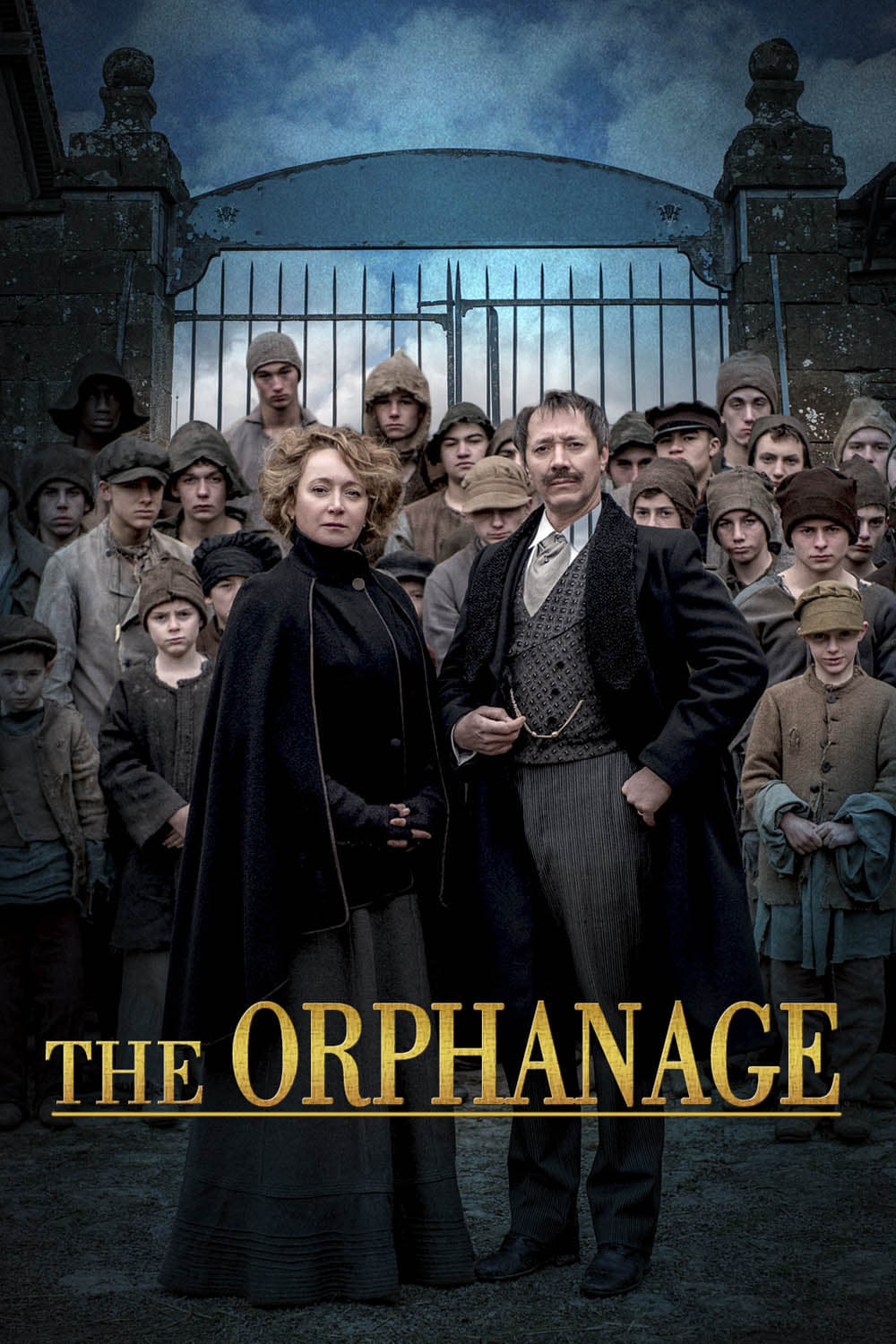
The Orphanage
France, 1911. Louise Perreau, struggling financially to raise her son Gaston, gets a new job in Paris that brings her hope for a better life.
Insights
Plot Summary
Laura returns to her childhood home, an orphanage for disabled children, with her family. Her son, Simón, begins to communicate with an invisible friend. As Simón's behavior becomes increasingly erratic and disturbing, Laura uncovers dark secrets about the orphanage's past and the fate of its former residents, leading to a tragic and supernatural climax.
Critical Reception
The Orphanage was a critical and commercial success, praised for its atmospheric tension, emotional depth, and masterful blend of horror and drama. It garnered widespread acclaim for its intelligent storytelling and unsettling scares, becoming a standout in the supernatural horror genre.
What Reviewers Say
A masterclass in suspense and emotional storytelling, effectively blending horror with genuine pathos.
Praised for its atmospheric direction and a deeply unsettling, yet poignant, narrative.
Widely considered a modern classic of the genre for its intelligent scares and mature themes.
Google audience: Audiences largely lauded the film's emotional impact and its ability to deliver genuine scares without relying on gratuitous gore. Many viewers found the story compelling and the performances moving, with particular praise for the film's unique approach to horror.
Awards & Accolades
Nominated for 14 Goya Awards, winning 5 including Best New Director for Juan Antonio Bayona.
Fun Fact
The production design aimed to create a sense of faded grandeur and melancholy, with the house itself becoming a character in the film, reflecting the memories and sadness of its past.
AI-generated overview · Verify ratings on official sources