
Movie spotlight
The Flowers of St. Francis
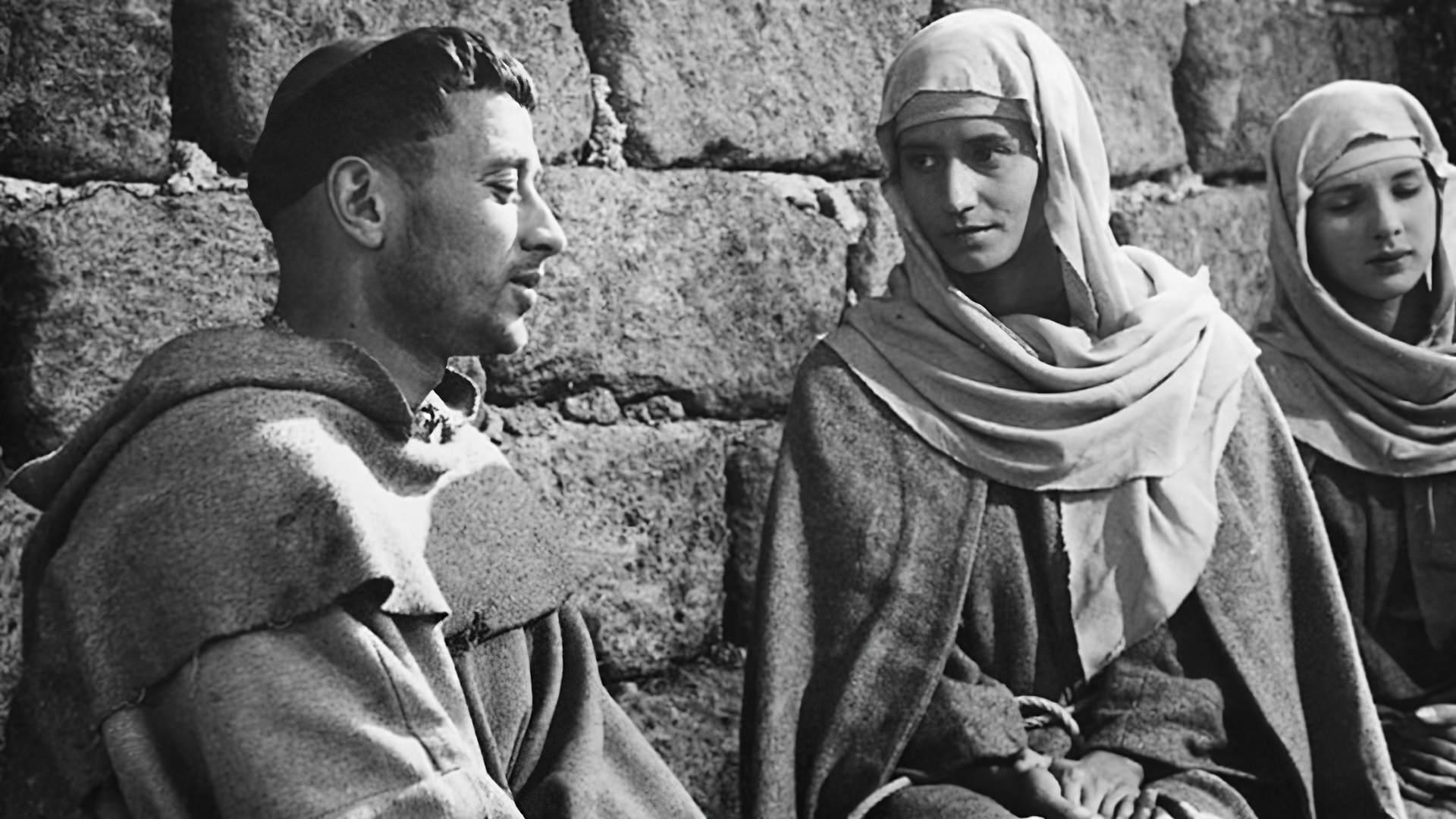
In a series of simple and joyous vignettes, director Roberto Rossellini and co-writer Federico Fellini lovingly convey the universal teachings of the People’s Saint: humility, compassion, faith, and sacrifice. Gorgeously photographed to evoke the medieval paintings of Saint Francis’s time, and cast with monks from the Nocera Inferiore Monastery, The Flowers of St. Francis is a timeless and moving portrait of the search for spiritual enlightenment.
Insights
Plot Summary
This Italian Neorealist film recounts the life of Saint Francis of Assisi and his followers. It depicts their vows of poverty, their struggles against societal pressures, and their dedication to living a life of spiritual devotion and service. The narrative emphasizes the saint's profound connection with nature and his unwavering commitment to Christian principles.
Critical Reception
While 'The Flowers of St. Francis' is a significant work by Roberto Rossellini, it is often overshadowed by his more famous films like 'Rome, Open City' and 'Bicycle Thieves'. Critics at the time and retrospectively acknowledge its sincerity and its contribution to religious cinema, though some found its pacing slow and its narrative overtly didactic. It is generally regarded as a thoughtful, if not entirely groundbreaking, portrayal of the saint's life.
What Reviewers Say
Praised for its devout and sincere portrayal of Saint Francis's life.
Noted for its Neorealist approach applied to a religious subject.
Some critics found the film to be overly pious or slow-moving.
Google audience: Information not readily available for Google user reviews for this specific film.
Fun Fact
Roberto Rossellini was initially hesitant to direct a film about Saint Francis, feeling it was a subject better suited to a more traditionally religious filmmaker, but was eventually convinced by his wife, Ingrid Bergman.
AI-generated overview · Verify ratings on official sources