Movie spotlight
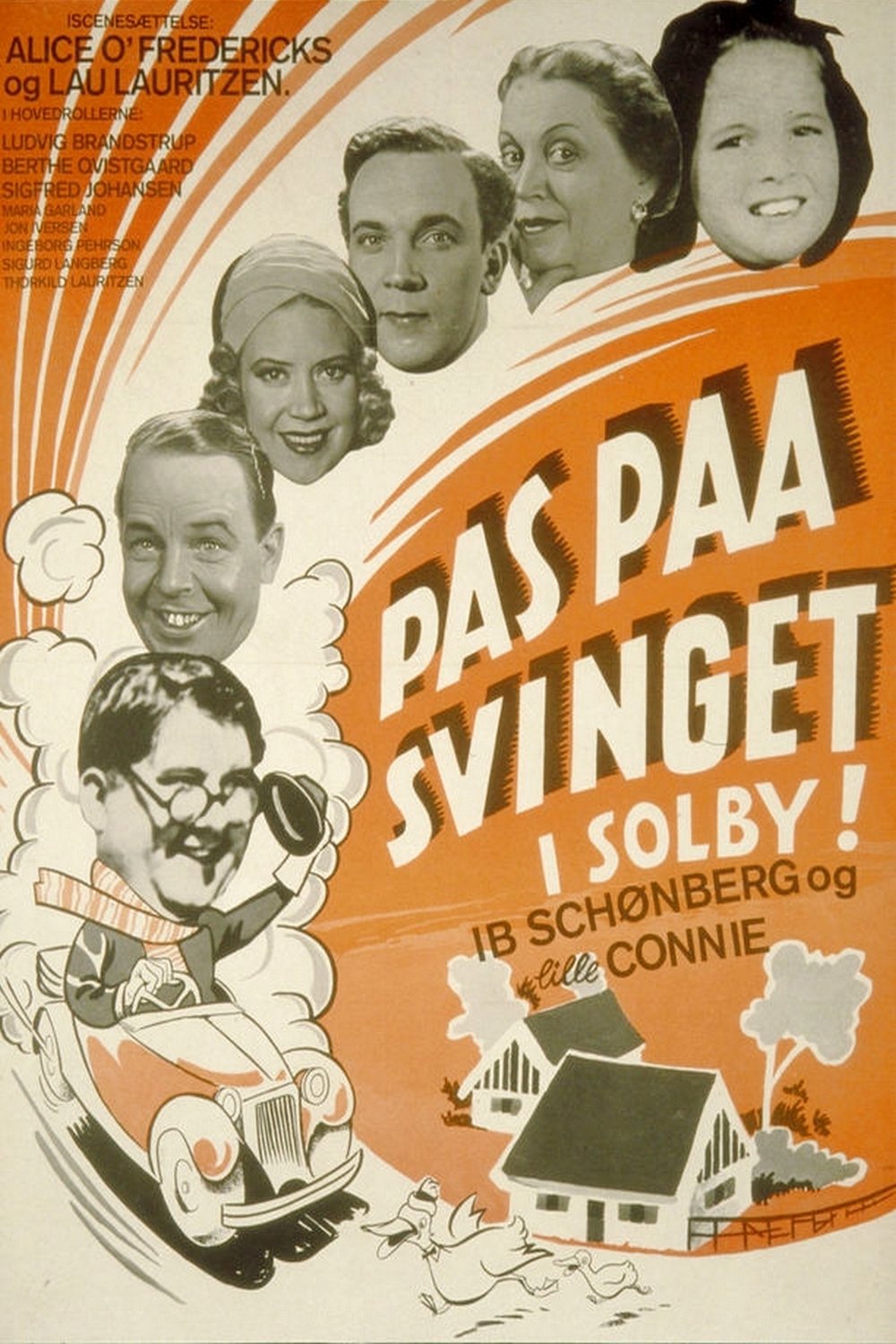
Pas paa svinget i Solby
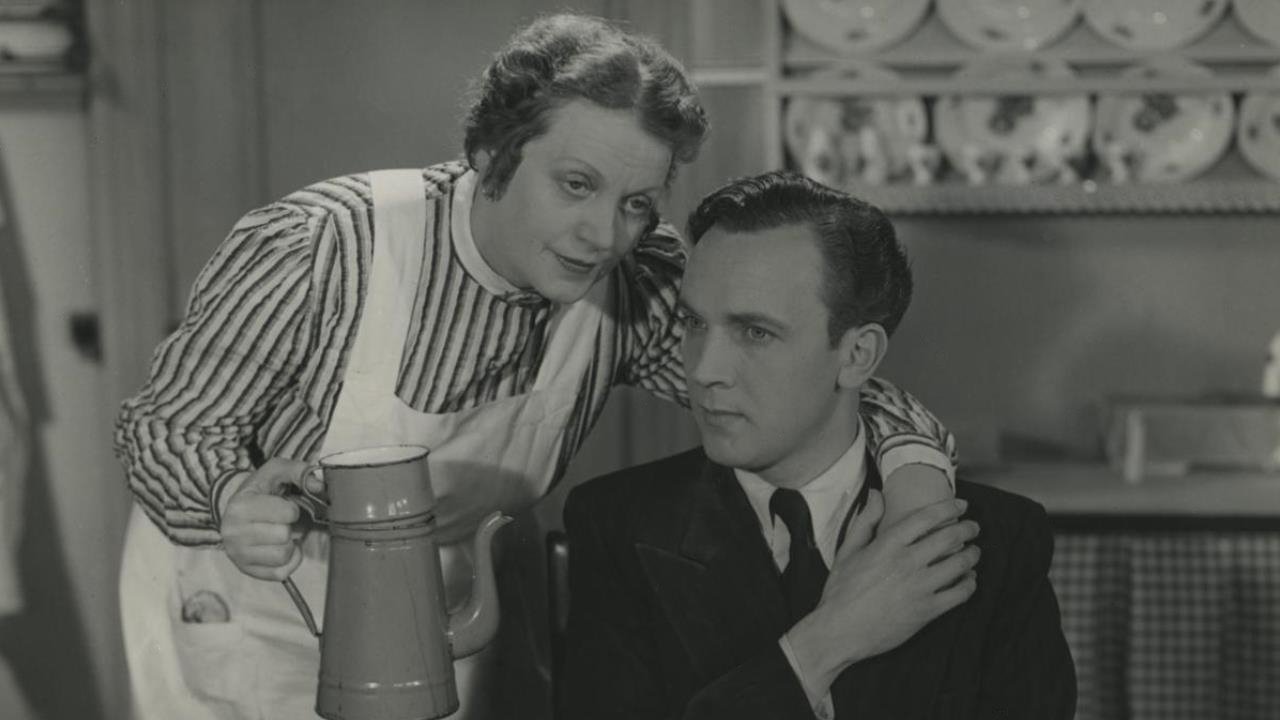
The priest in Solby borrows 2,000 kroons from the parish council treasury to pay for one of his parishioners' hospital stays in Germany. Marianne, the rich man's daughter, is to be a bridesmaid in Aalborg and is leaving Copenhagen for Jutland. In Solby, she drives too fast through the town, which is why she has a car accident and ends up in the priest's garden! She immediately starts to lead everyone around the rectory, which Aunt Marie is definitely not happy about. The priest, on the other hand, is attracted to the girl. They swim in the lake and go to a ball together, which leads to Mrs. Larsen coming in to talk to the bishop. After Marianne has returned to Copenhagen, the bishop announces his arrival at the rectory. Where will the priest now find the 2,000 kroons? The priest has a number of friends who are trying to help him, but he also receives unexpected help from the bishop.
Insights
Plot Summary
A charming comedy centered around the annual race in the idyllic town of Solby. The story follows the local characters and their involvement, rivalries, and comedic mishaps leading up to and during the main event. It captures the simple joys and community spirit of a small Danish town.
Critical Reception
As a classic Danish comedy from the early 1940s, 'Pas paa svinget i Solby' was generally well-received by audiences for its lighthearted humor and portrayal of Danish provincial life. Critical reviews at the time likely focused on its entertainment value and performances, typical for films of its era and genre.
What Reviewers Say
Appreciated for its lighthearted and humorous take on small-town life.
Praised for its ensemble cast and their comedic timing.
Seen as a nostalgic and charming representation of Danish culture in the 1940s.
Google audience: Information not available for this older title.
Fun Fact
The film is a notable example of Danish cinema during a period when film production continued despite the occupation of Denmark.
AI-generated overview · Verify ratings on official sources