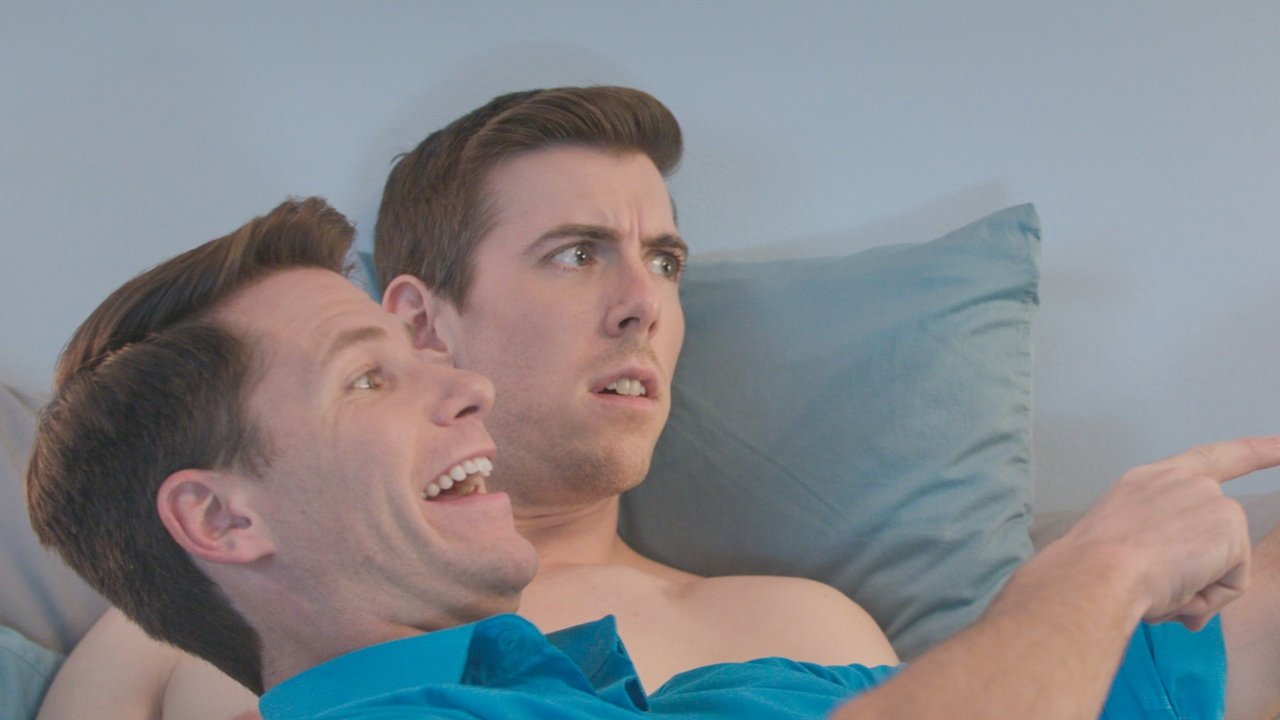
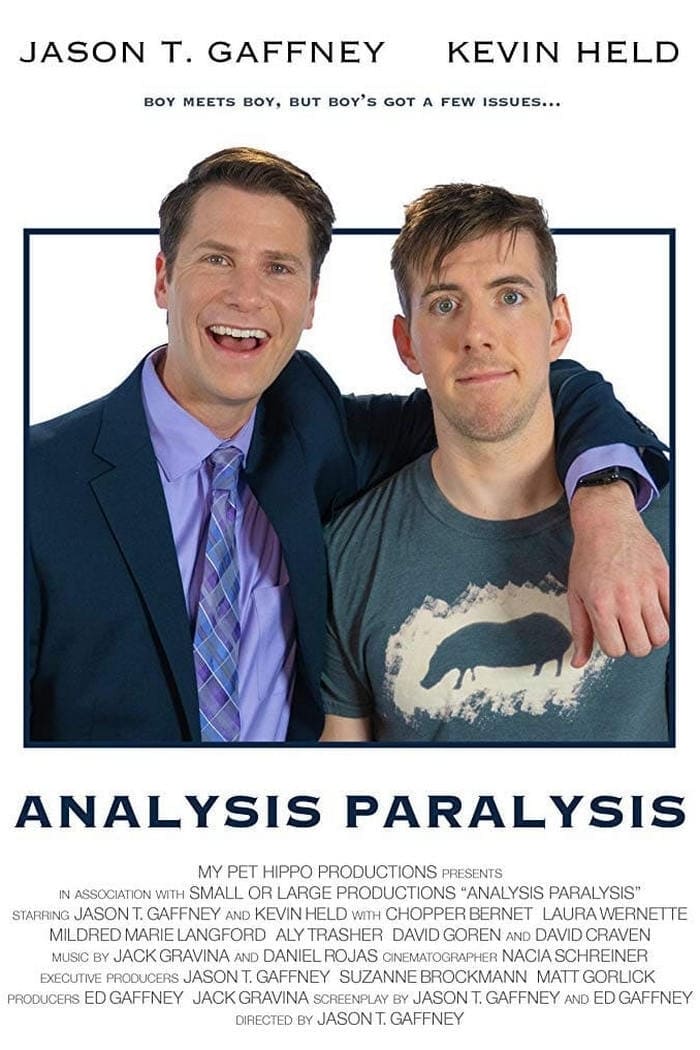
The story begins when Tyler O'Conner, a young gay author, visits a therapist and discovers that he suffers from an anxiety disorder commonly called "Analysis Paralysis" - an inability to take action without imagining the ways that each possible choice could go wrong. The problem is that, unchecked, the condition will lead Tyler into a state of complete inaction. To confront the disorder, Tyler decides to fight through his anxiety and ask his cute neighbor, Shane, out for coffee. Despite a flurry of imagined disasters, the date goes well, and Shane and Tyler ultimately become involved. Against all odds, the relationship moves forward, but not without every step of the way - sex, moving in together, and meeting Shane's parents - preceded by an avalanche of negative, albeit hilarious, fantasies.
This documentary explores the concept of analysis paralysis, where excessive thinking and overanalyzing can lead to indecision and inaction. It features interviews with experts and individuals who have experienced this phenomenon in various aspects of their lives, from personal choices to professional decision-making. The film aims to shed light on the psychological underpinnings of this common human experience and offers insights into strategies for overcoming it.
Critical Reception
Information regarding critical reception for 'Analysis Paralysis (2018)' is not readily available in public databases. As a documentary likely with limited distribution, widespread critical reviews and audience scores are scarce.
What Reviewers Say
The documentary effectively highlights the detrimental effects of overthinking.
Offers practical advice for overcoming decision-making hurdles.
Could benefit from more diverse case studies.
Google audience: Audience feedback is not widely available for this specific documentary. However, general discussions around the topic of analysis paralysis suggest a relatable struggle for many individuals in making choices.
Fun Fact
The concept of analysis paralysis is a well-documented cognitive bias, often discussed in fields ranging from psychology to economics, illustrating how too much information can hinder effective decision-making.
AI-generated overview · Verify ratings on official sources
My Review
TMDB Reviews
1 reviews
jmallaney
This is a movie with a clever premise, very likeable lead character and some very funny moments. It's difficult to settle into as the narrative is constantly rewound to encompass different scenarios and, like lifelong mental illness, doesn...