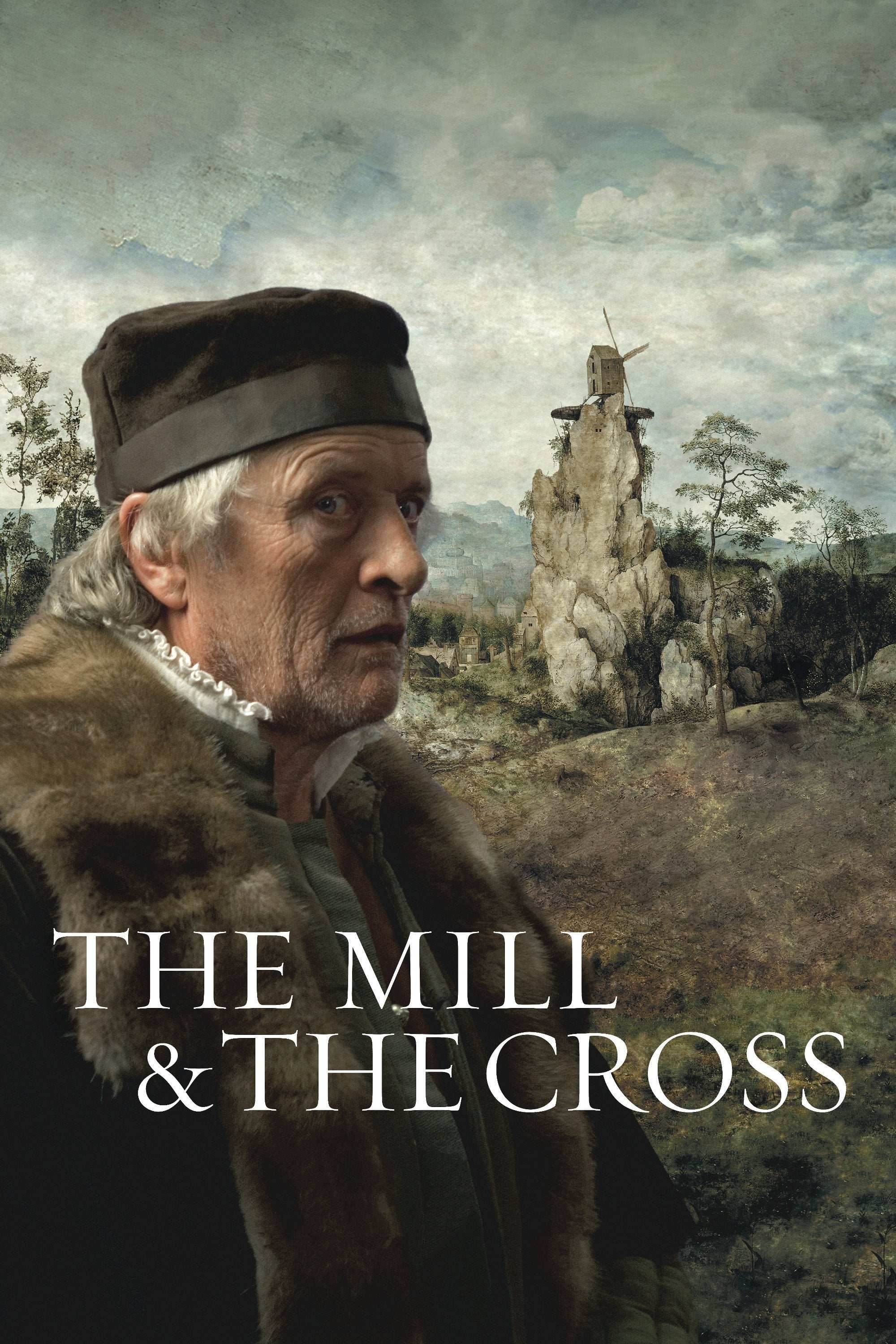

The Mill and the Cross
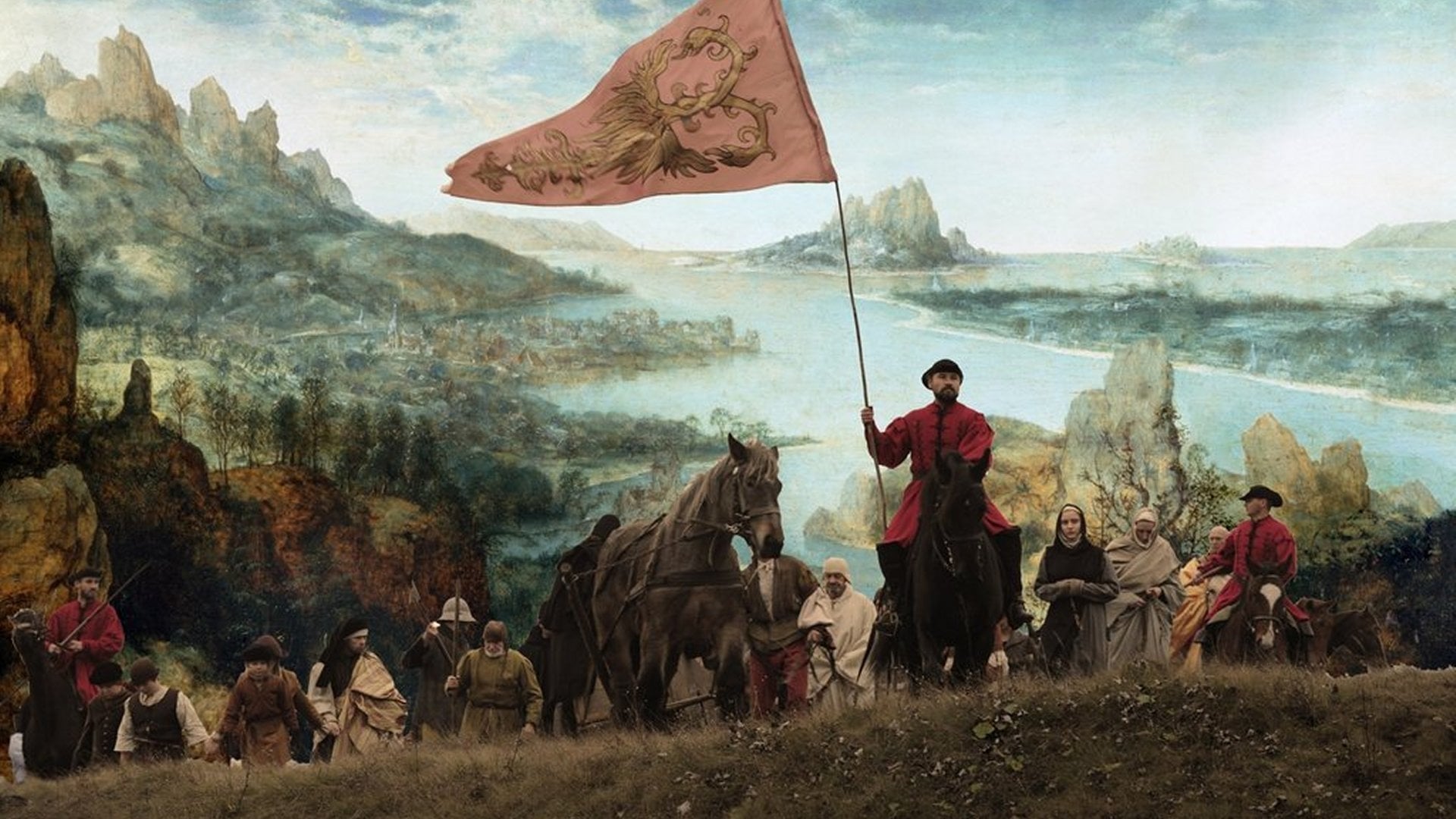
What would it be like to step inside a great work of art, have it come alive around you, and even observe the artist as he sketches the very reality you are experiencing? From Lech Majewski, one of Poland's most acclaimed filmmakers, The Mill and the Cross is a cinematic re-staging of Pieter Bruegel's masterpiece "Procession to Calvary," presented alongside the story of its creation.
Insights
Plot Summary
This visually stunning film reconstructs the life and times of Pieter Bruegel the Elder as he creates his masterpiece, 'The Procession to Calvary.' Through a blend of live-action, digital animation, and painting, the movie immerses viewers in the turbulent 16th-century Flemish landscape, populated by characters who mirror those in Bruegel's iconic artwork. It explores the profound relationship between art, faith, and the socio-political upheaval of the era.
Critical Reception
The Mill and the Cross received widespread critical acclaim, particularly for its breathtaking cinematography, unique artistic vision, and ambitious visual style. Critics lauded its immersive portrayal of the 16th century and its profound contemplation of art's role in society. While some found its pacing deliberate, the overall sentiment was one of awe at its innovative approach to filmmaking and historical representation.
What Reviewers Say
- Praised for its stunning, painterly visuals that bring a 16th-century masterpiece to life.
- Commended for its ambitious and unique cinematic approach, blending art history with narrative.
- Lauded for its immersive atmosphere and thought-provoking exploration of faith and art.
Google audience: Viewers consistently admire the film's extraordinary visual artistry, comparing it to stepping inside a painting. Many appreciate its intellectual depth and the unique way it connects art, history, and human experience, finding it a deeply moving and unforgettable cinematic journey.
Awards & Accolades
Nominated for Best Cinematography at the European Film Awards.
Fun Fact
Director Lech Majewski used a groundbreaking technique that involved digitally painting over high-resolution photographs of landscapes and then compositing actors into these "living paintings" to achieve the film's distinctive aesthetic.
AI-generated overview · Verify ratings on official sources