
Movie spotlight
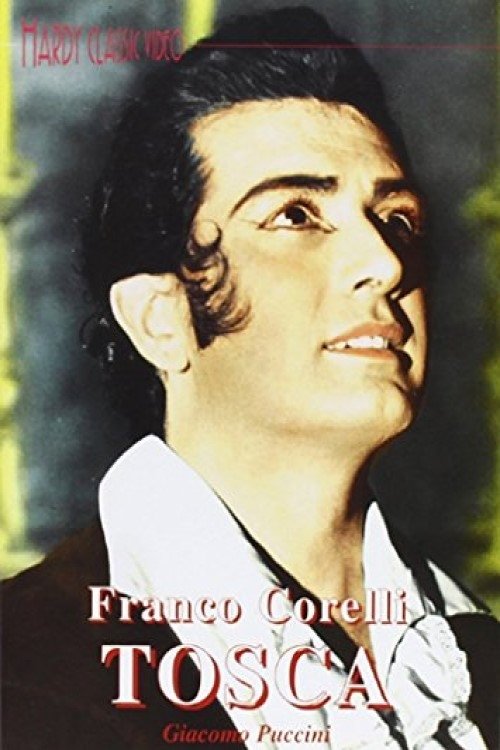
Tosca
A nasty Rome police chief circa 1800 forces the lover of a painter, suspected of harboring a political prisoner, to reveal the hiding place and to yield to his power and lust.
Insights
Plot Summary
This operatic film adaptation of Puccini's "Tosca" follows the dramatic events in Rome during the Napoleonic Wars. Floria Tosca, a celebrated opera singer, becomes entangled in a dangerous political conspiracy when her lover, the painter Mario Cavaradossi, aids a fugitive. As the ruthless Baron Scarpia, the chief of police, lusts after Tosca, she is forced into a series of desperate choices that lead to tragedy.
Critical Reception
The 1956 film adaptation of Puccini's 'Tosca' received a generally positive reception, appreciated for its faithful rendition of the beloved opera and its visually striking presentation. While some critics noted that the film format could not fully capture the live operatic experience, many lauded the powerful performances and the rich musical score. It is considered a notable example of opera being brought to the screen.
What Reviewers Say
Praised for its visually rich cinematography and effective staging of the opera's dramatic moments.
Recognized for its strong musical performances, particularly the vocal talents of the cast.
Seen as a faithful and accessible adaptation for both opera lovers and newcomers.
Google audience: Audience reception information for this specific film version is not widely available through Google's public review systems.
Fun Fact
The film's production aimed to capture the grandeur of Puccini's opera, utilizing significant sets and costumes to transport audiences to 19th-century Rome, despite being a screen adaptation rather than a live performance recording.
AI-generated overview · Verify ratings on official sources