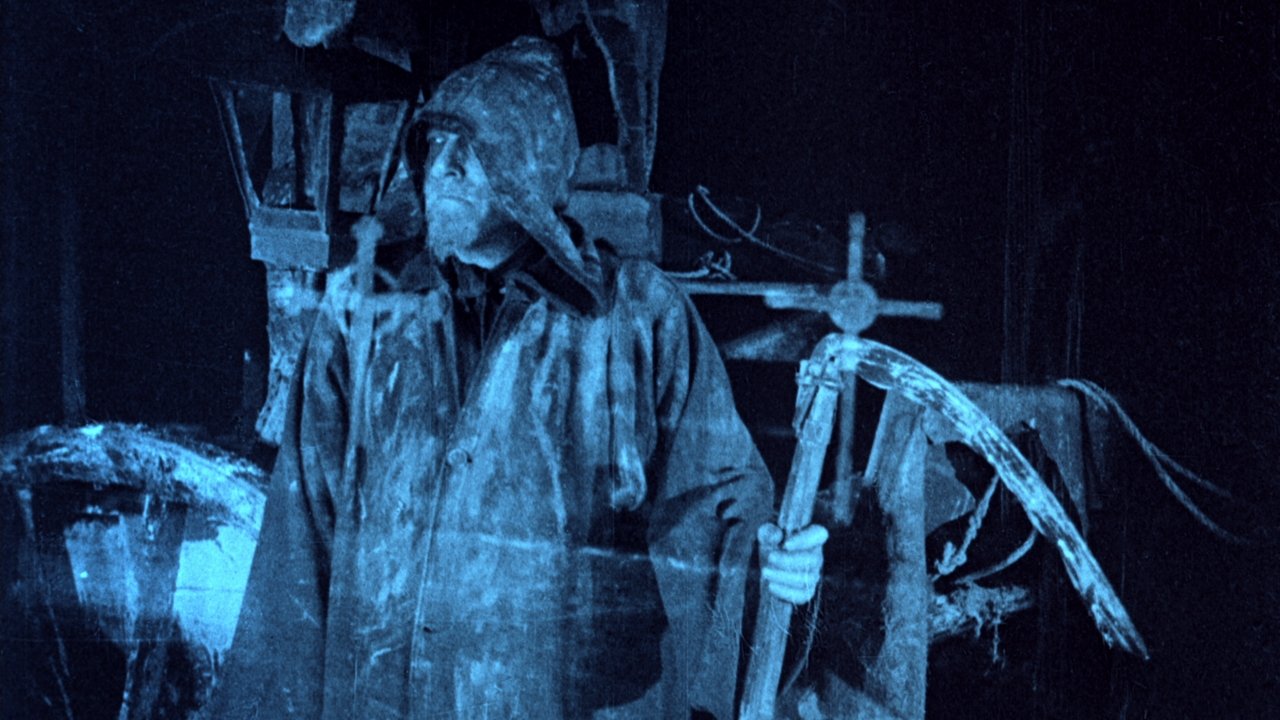
The Phantom Carriage

Movie spotlight

The Phantom Carriage

1921
Movie
108 min
Swedish

An alcoholic, abusive ne'er-do-well is shown the error of his ways through a legend that dooms the last person to die on New Year's Eve before the clock strikes twelve to take the reins of Death's chariot and work tirelessly collecting fresh souls for the next year.

Insights

IMDb7.8/10
Rotten Tomatoes95%
Director: Victor SjöströmGenres: Drama, Fantasy, Horror

Plot Summary

On New Year's Eve, a dissolute and dying man named David Holm is haunted by the spectral carriage of a former friend, who forces him to confront the terrible impact of his cruel and selfish life. Through a series of flashbacks and supernatural encounters, David witnesses the sorrow and ruin he has inflicted upon those closest to him, including his wife and estranged children. The film explores themes of sin, redemption, and the consequences of one's actions, offering a powerful moral allegory.

Critical Reception

Widely regarded as a masterpiece of silent cinema, 'The Phantom Carriage' was groundbreaking for its innovative visual techniques, psychological depth, and somber, cautionary tale. It profoundly influenced subsequent filmmakers, particularly Ingmar Bergman, and remains a seminal work in the horror and fantasy genres.

What Reviewers Say

  • Praised for its pioneering visual effects and unsettling atmosphere.

  • Celebrated for its profound exploration of guilt, redemption, and mortality.

  • Considered a highly influential film in the development of cinematic expressionism.

Google audience: Audience reception data is not readily available for this silent film from 1921 through Google's platform. However, its enduring status in film history suggests a deeply appreciative audience over the decades for its artistic merit and thematic weight.

Awards & Accolades

None notable in terms of modern awards, but historically significant for its artistic and technical achievements.

Fun Fact

The film's innovative use of special effects, including superimposed images and split-screen techniques, was revolutionary for its time and inspired many later filmmakers, most notably Ingmar Bergman, who cited it as a formative influence.

AI-generated overview · Verify ratings on official sources

My Review