Movie spotlight
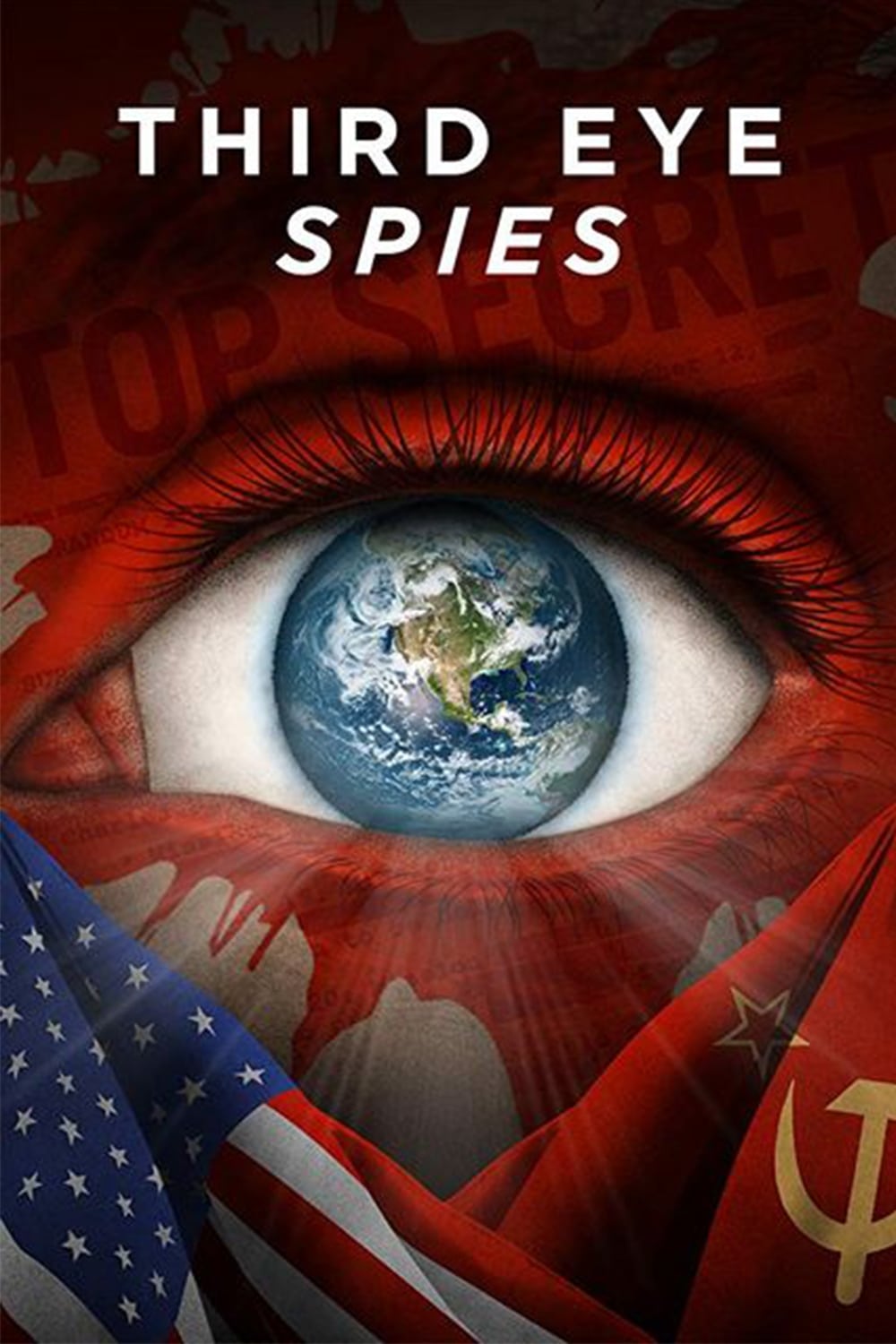
Third Eye Spies
Two physicists discover psychic abilities are real only to have their experiments at Stanford co-opted by the CIA and their research silenced by the demands of secrecy. This is the true story of Russell Targ and America's Cold War psychic spies, disclosed and declassified for the first time, with evidence presented by a Nobel laureate, an Apollo astronaut, and the military and scientific community that has been suppressed for nearly 30 years.
Insights
Plot Summary
Third Eye Spies is a documentary that delves into the fascinating and often unbelievable world of remote viewing, a purported psychic ability to perceive information about a target using extrasensory perception. The film follows the journey of individuals who were involved in government-sponsored programs exploring this phenomenon, aiming to understand its potential applications and the skepticism surrounding it. It questions the boundaries of perception and the nature of reality as experienced by those who claim to have tapped into this hidden dimension of consciousness.
Critical Reception
Third Eye Spies received mixed to positive reviews, with critics often highlighting its intriguing subject matter and unique approach. While some praised its exploration of a controversial topic and its engaging narrative, others found the film's conclusions and the nature of remote viewing itself to be highly speculative. Audience reception was similarly divided, drawn to the mystery but sometimes left questioning the definitive answers.
What Reviewers Say
Praised for its exploration of the mysterious concept of remote viewing.
Noted for its engaging and sometimes unsettling narrative style.
Some viewers found the film's reliance on anecdotal evidence and speculation to be a drawback.
Google audience: Google users largely approved of 'Third Eye Spies,' with many appreciating the film's deep dive into the intriguing and often controversial topic of remote viewing. Viewers found the documentary thought-provoking and compelling, sparking discussions about perception and the unknown. A common sentiment was that the film successfully presented a mysterious subject in an accessible way.
Fun Fact
Director Lance Weiler was inspired to make the documentary after experiencing a strange vision himself, which led him down the rabbit hole of researching remote viewing and its history.
AI-generated overview · Verify ratings on official sources