IMDb6.4/10
Google Users82%
Director: Salvador Calvo•Genres: Drama
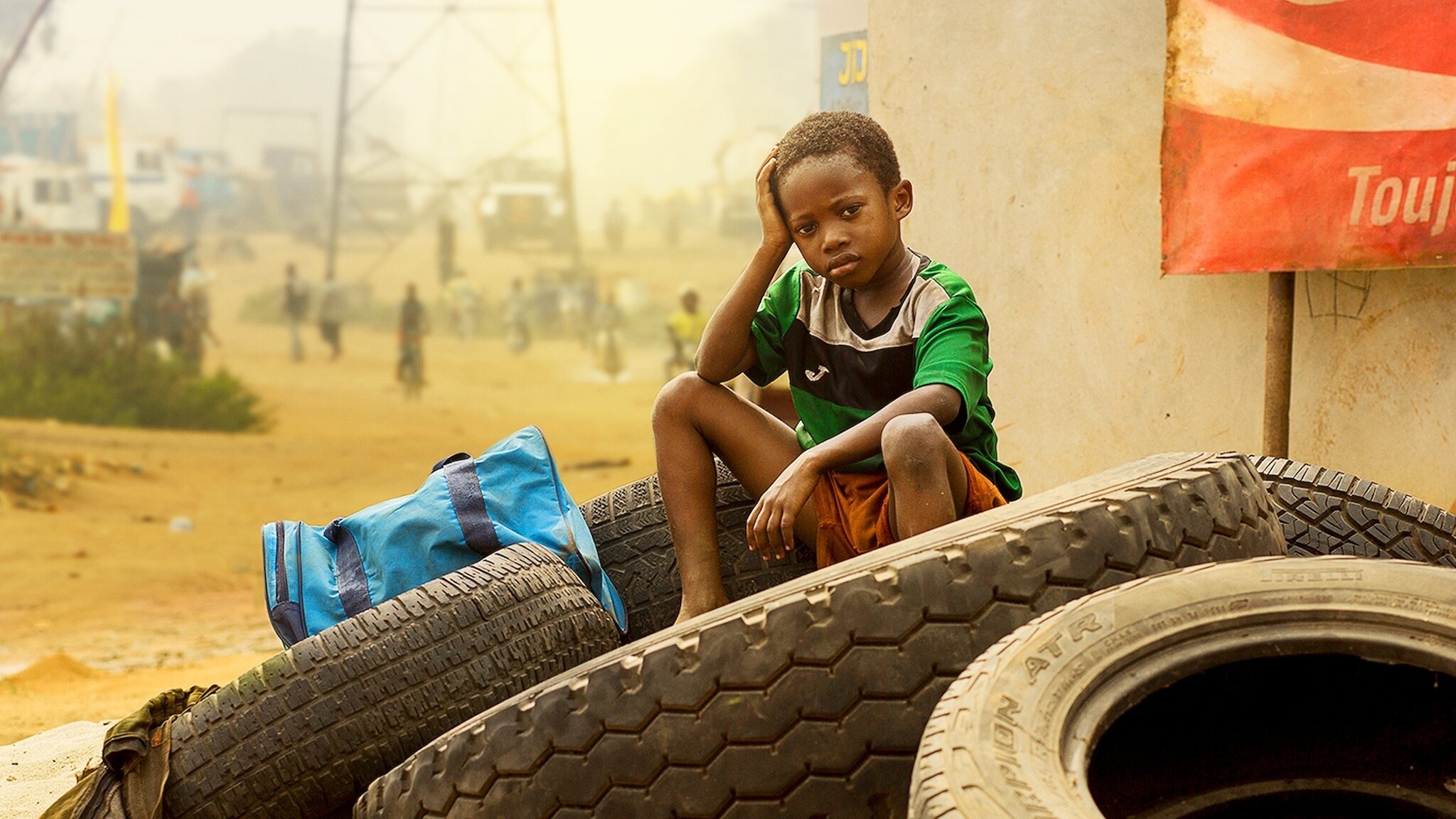
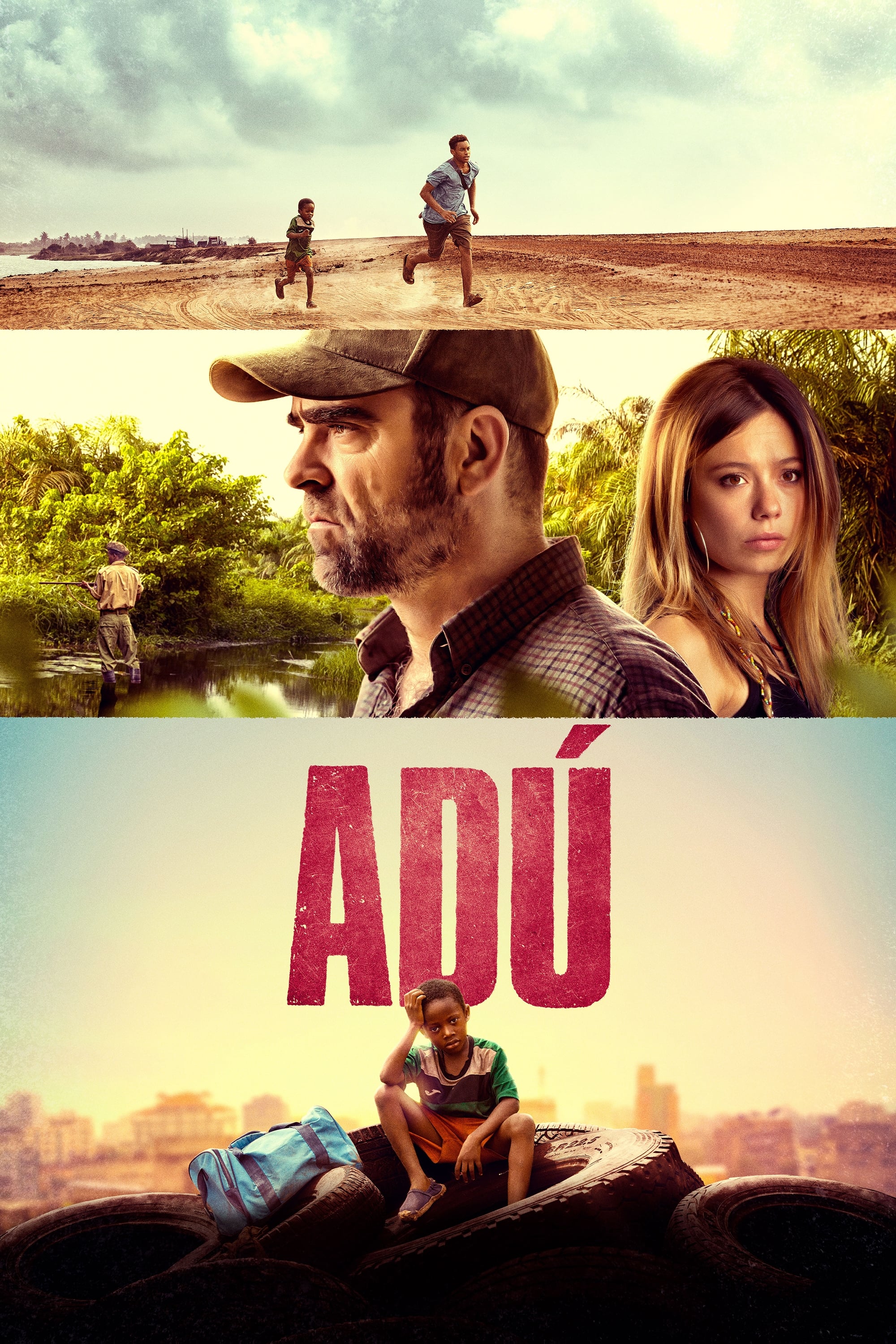
The film interweaves the stories of a young boy attempting to reach Europe from Africa, a conservationist working in Cameroon, and a farmer in Andalusia facing economic hardship. It explores the harsh realities of illegal immigration, the plight of refugees, and the resilience of the human spirit against immense adversity.
Adú received generally positive reviews from critics, who praised its powerful storytelling, emotional impact, and the performances of its cast. While acknowledging the challenging subject matter, many reviewers highlighted the film's ability to raise awareness about the migrant crisis and its humanistic approach.
Praised for its moving portrayal of the African migrant crisis.
Lauded for strong performances, particularly by the young lead.
Felt impactful and timely, offering a humanistic perspective.
Google audience: Audiences appreciated the film's important subject matter and its emotional resonance, with many commending its realistic depiction of the challenges faced by migrants. Some viewers found the narrative structure a bit disjointed, but the overall sentiment was that it was a thought-provoking and worthwhile watch.
Nominated for 14 Goya Awards, including Best Film, Best Director, and Best Actor (Luis Tosar). Won Best Cinematography and Best New Actor (Adam Nourou).
The film was shot in multiple locations, including Cameroon, Morocco, and Spain, to authentically capture the journey of the migrants.
AI-generated overview · Verify ratings on official sources