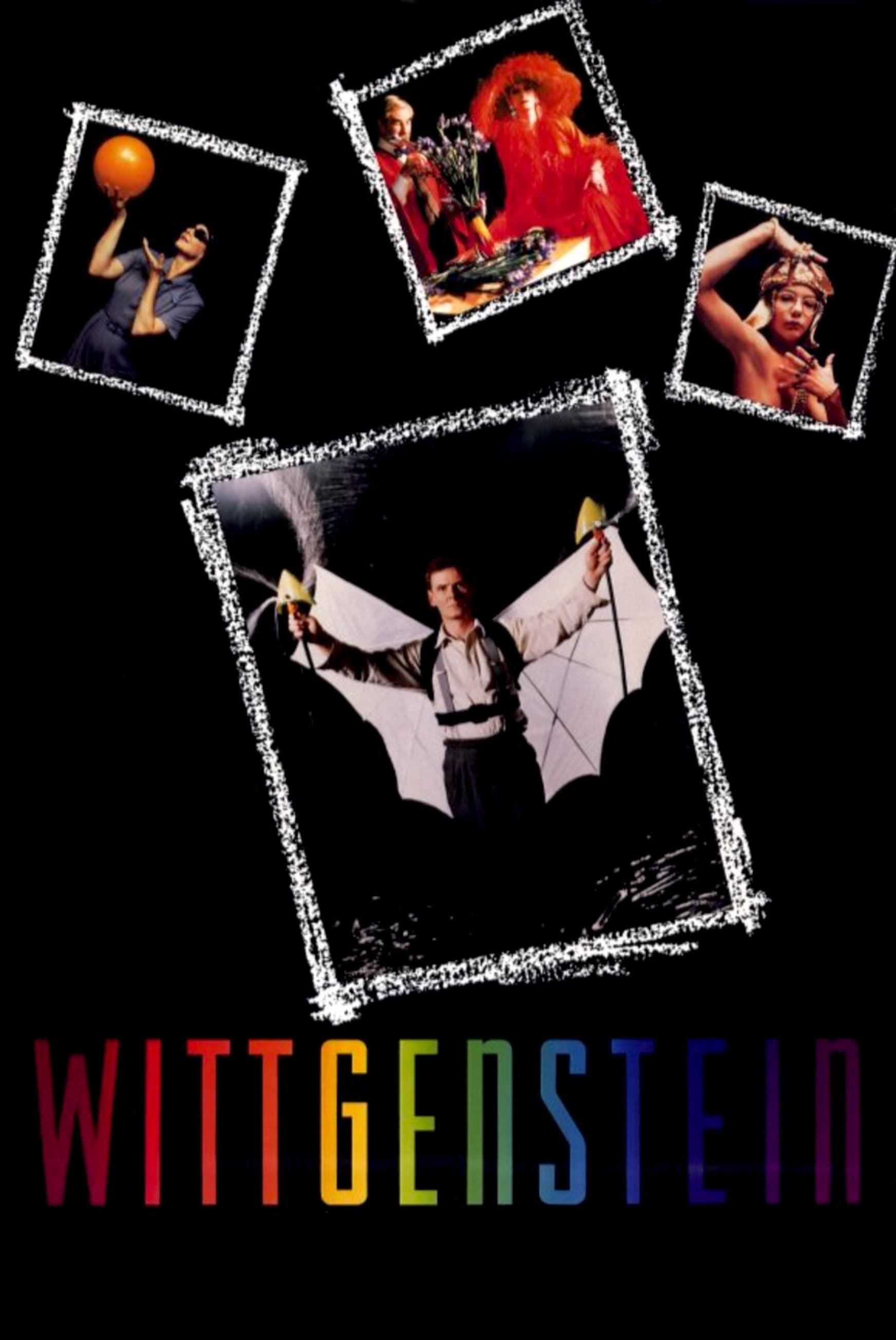
A dramatization, in modern theatrical style, of the life and thought of the Viennese-born, Cambridge-educated philosopher Ludwig Wittgenstein, whose principal interest was the nature and limits of language. A series of sketches depict the unfolding of his life from boyhood, through the era of the first World War, to his eventual Cambridge professorship and association with Bertrand Russell and John Maynard Keynes. The emphasis in these sketches is on the exposition of the ideas of Wittgenstein, a homosexual, and an intuitive, moody, proud, and perfectionistic thinker generally regarded as a genius.
Director: Derek Jarman•Genres: Biography, Drama, History
Plot Summary
Derek Jarman's film explores the life and philosophy of Ludwig Wittgenstein, a highly influential, yet enigmatic Austrian-British philosopher. The movie presents Wittgenstein's ideas through a theatrical and stylized lens, often using black and white and vibrant color sequences to distinguish between his personal life and his philosophical inquiries. It delves into his relationships, his experiences in war, and his attempts to understand language and the world.
Critical Reception
Wittgenstein was met with critical acclaim for its unique artistic vision and intellectual depth. While its experimental nature might not appeal to all viewers, critics largely praised Jarman's bold approach to depicting complex philosophical ideas and the life of a groundbreaking thinker. The film is often seen as a fitting tribute to both Wittgenstein and Jarman's own artistic spirit.
What Reviewers Say
Praised for its bold and unconventional depiction of philosophical concepts.
Applauded for its striking visual style and intellectual rigor.
Recognized as a unique and thought-provoking biographical interpretation.
Google audience: Information not readily available for Google user reviews.
Fun Fact
The film was shot entirely in black and white, with occasional bursts of vibrant color used to represent philosophical ideas or emotional states, a stylistic choice that reflects Wittgenstein's own interest in the relationship between language, logic, and perception.
AI-generated overview · Verify ratings on official sources
My Review
TMDB Reviews
1 reviews
CinemaSerf
Told by way of some theatrical style sketches, this quite engagingly depicts not only the life of the acclaimed philosopher but it also shines an entertaining light on just what “philosophy” actually might be. I say might be because what is...