Movie spotlight
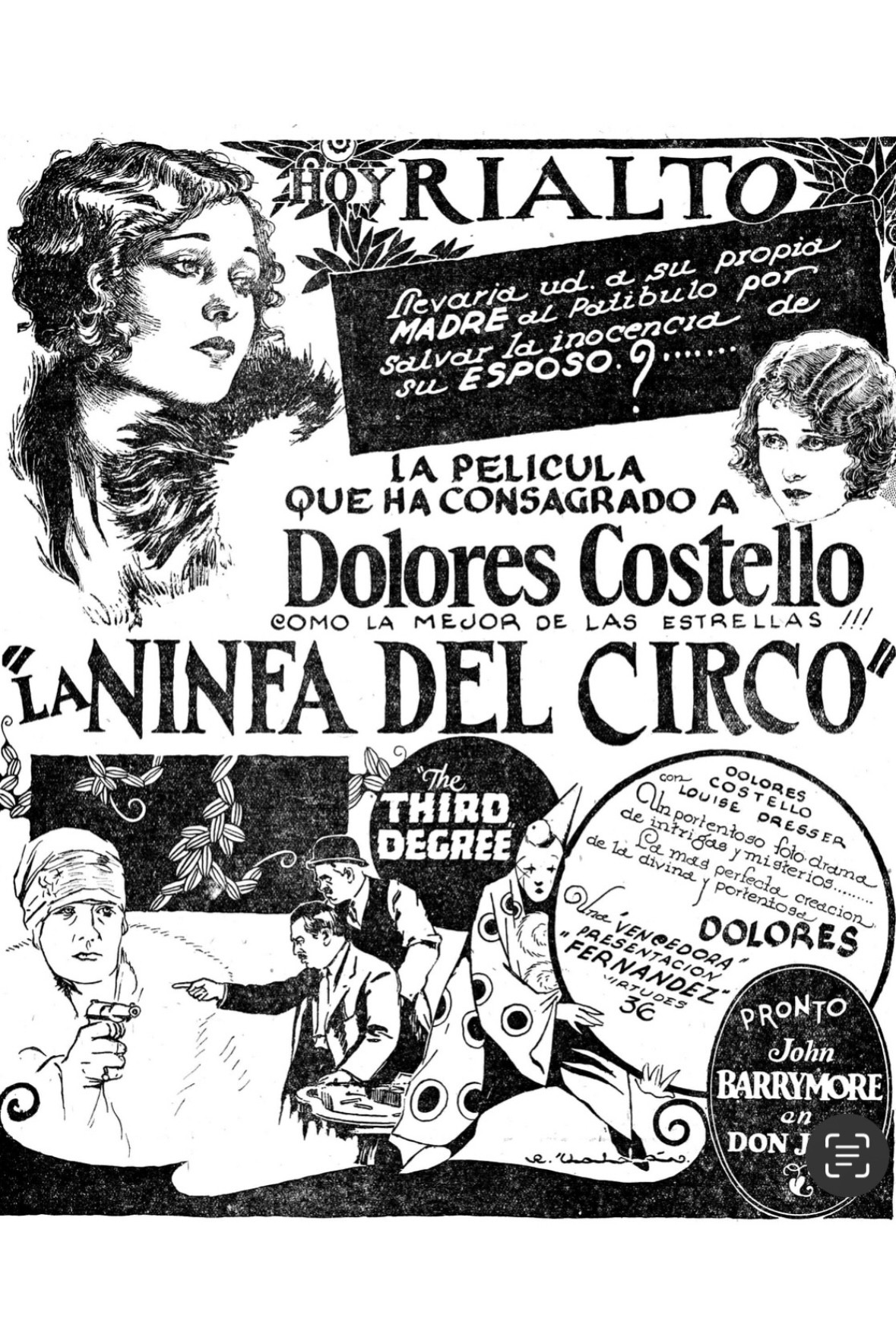
The Third Degree
Alicia, a circus artist, deserts her husband and child to elope with Underwood, her handsome lover. Fifteen years later, Annie Martin, Alicia's deserted daughter, is a trapeze performer in a sideshow at Coney Island, operated by Mr. and Mrs. Chubb, and has married Howard Jeffries in spite of opposition by his wealthy parents. Jeffries, Sr., hires a man (Underwood) to separate the young couple. Underwood convinces the newlyweds that each is being unfaithful to the other, and consequently, he is threatened by Howard. Driven to fury by Underwood's uncontrollable demands, Alicia shoots him in a quarrel and makes her escape just as Howard enters; despite his innocence, Howard confesses to the crime when subjected to the third degree. Annie, realizing her mother's guilt, claims to be guilty, but Alicia then confesses. Annie is saved from suicide by Howard, and they are united by love.
Insights
Plot Summary
This silent drama centers on a young woman who finds herself entangled in a web of deceit and danger after witnessing a murder. As she becomes a key witness, she must navigate the criminal underworld and corrupt officials to uncover the truth and protect herself from those who want to silence her. The film explores themes of justice, corruption, and the struggle for survival in a gritty urban landscape.
Critical Reception
As a silent film from the early era of Hollywood, specific critical reception data is scarce. However, it is recognized as an early example of Michael Curtiz's directorial work and a film that tackled mature themes for its time. Its historical significance lies in its contribution to the crime and melodrama genres of the 1920s.
What Reviewers Say
Praised for its suspenseful plot and early cinematic direction.
Noted for its dramatic performances within the silent film medium.
Considered a solid entry in the crime and mystery genre of the 1920s.
Google audience: Audience reviews for this silent film are not readily available in modern databases. However, its preservation and occasional screenings suggest an enduring interest from film enthusiasts who appreciate classic cinema.
Fun Fact
This film was one of Michael Curtiz's earliest American productions after his move from Europe, showcasing his developing visual style that would later define his prolific Hollywood career.
AI-generated overview · Verify ratings on official sources