Movie spotlight
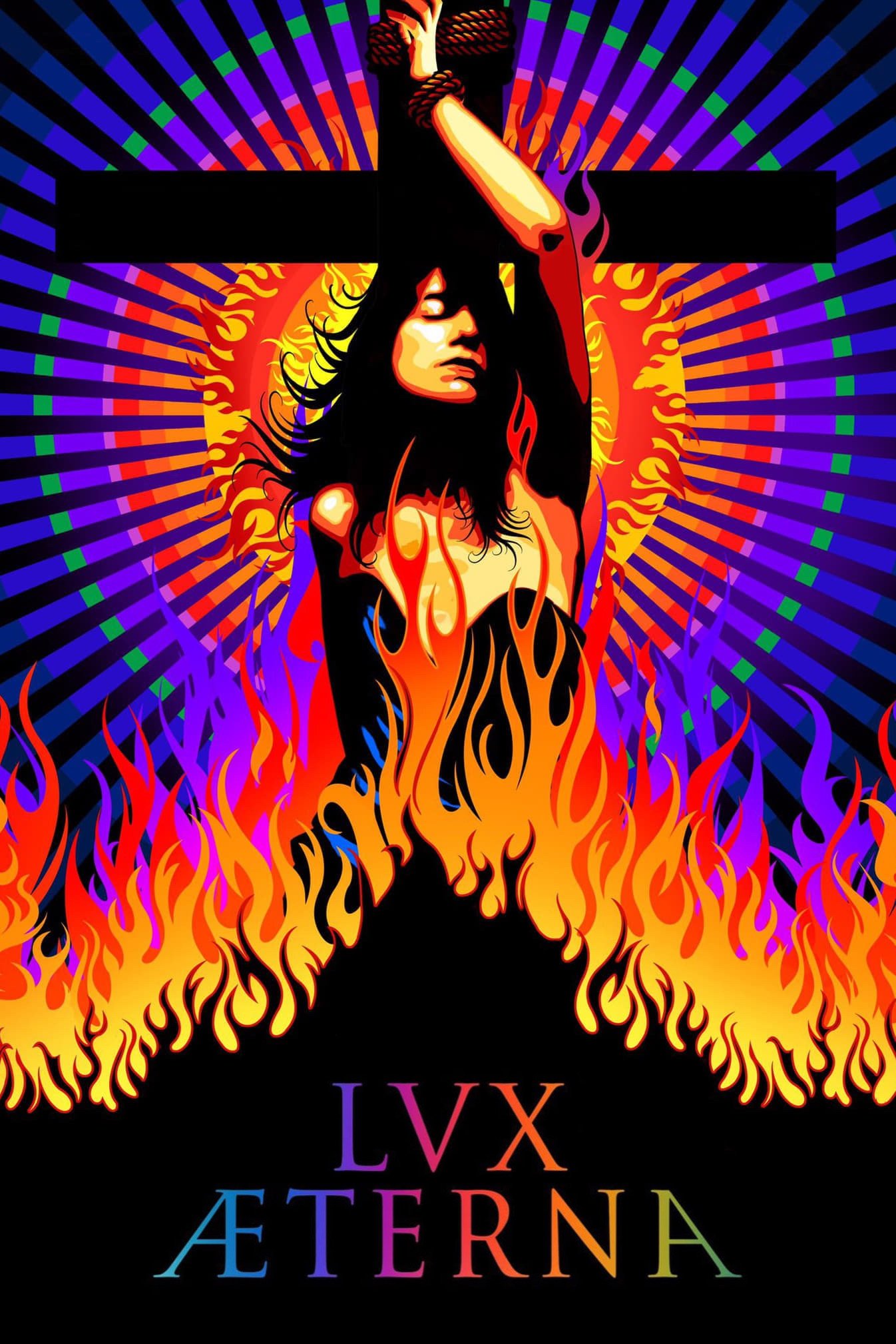
Lux Æterna
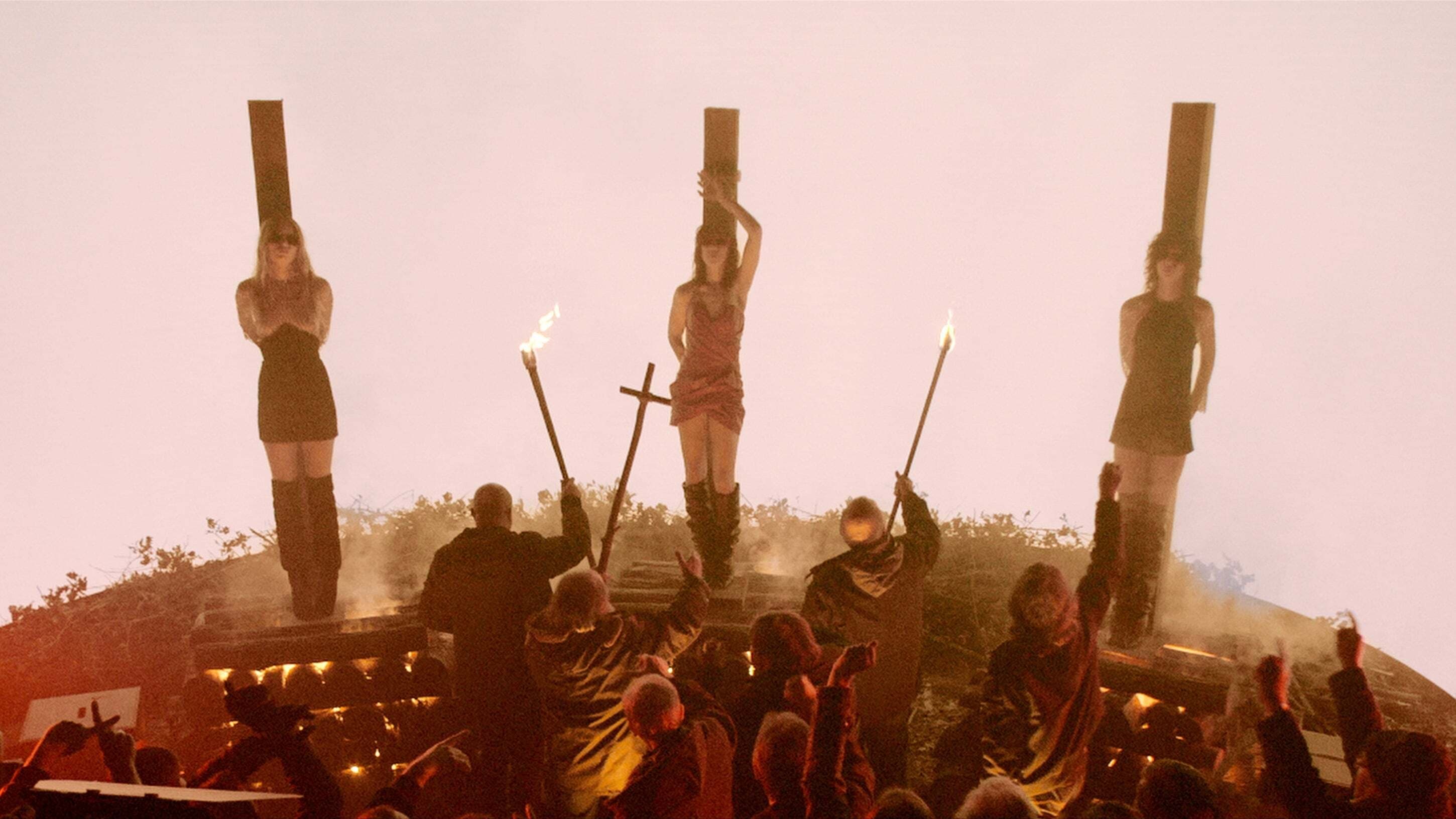
Charlotte Gainsbourg agrees to play a witch condemned to be burned at the stake in the first film directed by Béatrice Dalle. But the chaotic production, technical problems, and psychotic breakdowns gradually plunge the shoot into a chaos of pure light.
Insights
Plot Summary
A French actress, Charlotte Gainsbourg, discusses her career and the controversial nature of filmmaking while shooting a new occult-themed movie. The production descends into chaos, mirroring the dark themes of the film within the film, blurring the lines between reality and the on-screen horror. It's a meta-cinematic exploration of witchcraft, performance, and the artistic process itself.
Critical Reception
Lux Æterna received a polarizing reception, characteristic of Gaspar Noé's divisive style. Critics were often split between appreciating its avant-garde approach and experimental nature, and criticizing its perceived self-indulgence and lack of a cohesive narrative. Audiences generally found it to be an intense and visually striking, albeit abstract, viewing experience.
What Reviewers Say
Praised for its bold, experimental visual style and thought-provoking meta-commentary on filmmaking.
Criticized by some for its meandering narrative and self-indulgent exploration of controversial themes.
Noted as a typically uncompromising and provocative work from director Gaspar Noé.
Google audience: Google users generally found 'Lux Æterna' to be a visually arresting and experimental film, with many appreciating its unique approach to filmmaking and its exploration of challenging themes. However, some viewers found it to be abstract and difficult to follow, with a lack of traditional narrative structure being a common point of contention.
Fun Fact
The film famously features a lengthy, nearly continuous scene where the camera spins and flashes strobing lights, simulating a descent into madness and a visual representation of the filmmaking chaos.
AI-generated overview · Verify ratings on official sources