Movie spotlight
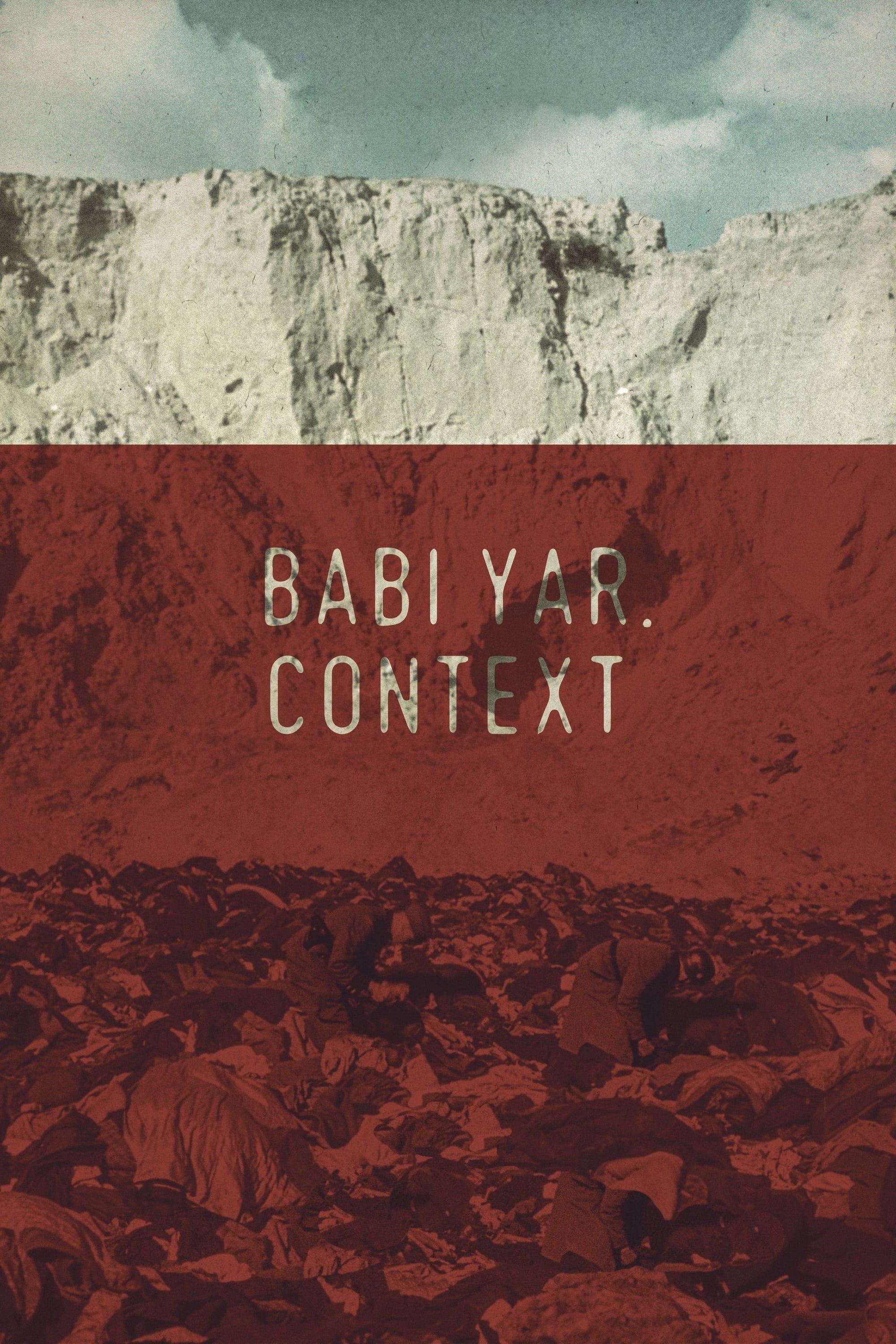
Babi Yar. Context
Nazi troops massacre 30,000 Jews over a three-day period in September 1941. Babyn Yar ravine in Kyiv, Ukraine.
Insights
Plot Summary
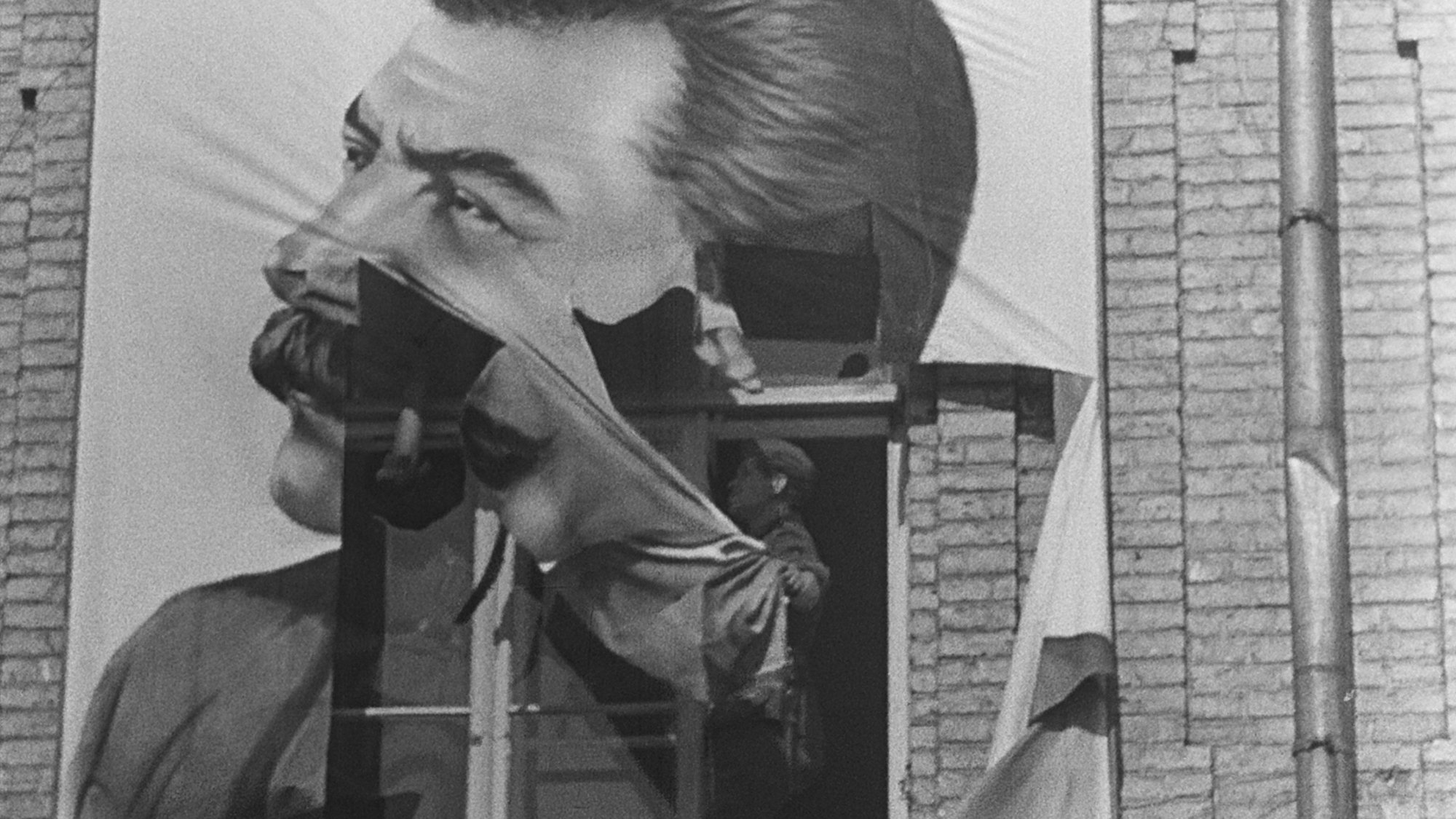
This documentary meticulously reconstructs the events leading up to the Babi Yar massacre in September 1941. Through archival footage, it presents the atmosphere of Kiev under Nazi occupation, the escalating antisemitic propaganda, and the systematic persecution of the Jewish population. The film aims to provide a contextual understanding of how such a horrific event could unfold, focusing on the historical circumstances and the perpetrators' actions.
Critical Reception
Sergei Loznitsa's "Babi Yar. Context" has been widely acclaimed by critics for its unflinching and historically rigorous approach to a deeply disturbing subject. Reviewers often highlight its powerful use of archival material to create a chilling and essential historical document. The film is praised for its educational value and its commitment to presenting the grim reality of the events without sensationalism.
What Reviewers Say
An essential and deeply affecting historical document.
Masterful use of archival footage to provide crucial context.
An unflinching portrayal of the lead-up to a horrific atrocity.
Google audience: Audiences generally praise the film's historical accuracy and powerful presentation of events, recognizing its importance in understanding the Babi Yar massacre and its context. Many found it to be an informative and impactful experience, though emotionally challenging.
Awards & Accolades
Nominated for the Golden Eye for Best Documentary at the 2021 Cannes Film Festival.
Fun Fact
The film exclusively utilizes archival footage shot by Nazi filmmakers and Soviet newsreel cameramen, with no contemporary interviews or narration, forcing the viewer to confront the events directly through the available visual evidence.
AI-generated overview · Verify ratings on official sources