Movie spotlight
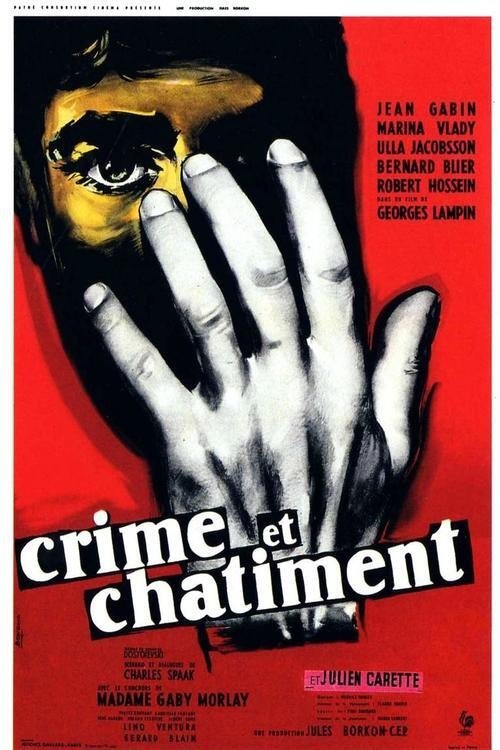
Crime and Punishment
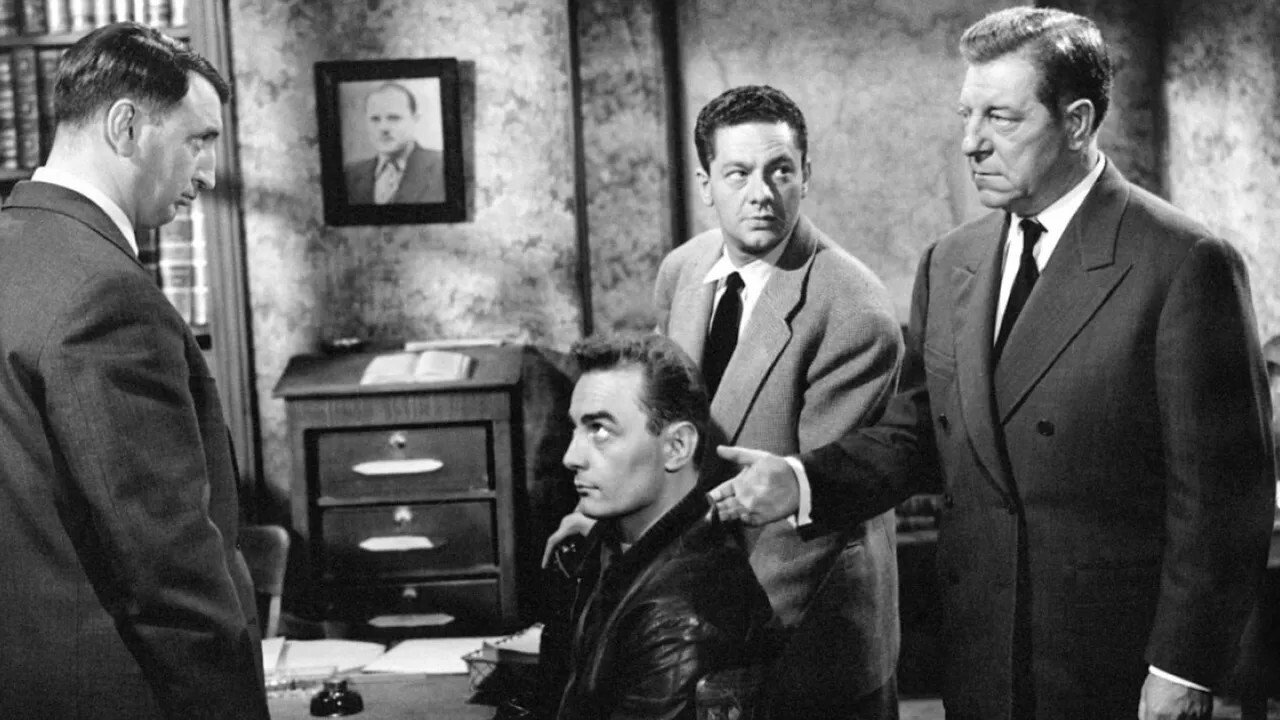
Former student Raskolnikov is pushed to murder when struggling to pay the rent on his apartment. When the murder is being investigated by the police, Raskolnikov struggles between trying to hide his guilt and the pressure to confess.
Insights
Plot Summary
A poverty-stricken ex-student, Raskolnikov, driven by his philosophical theories about extraordinary men, murders an old pawnbroker and her sister. Tormented by guilt and paranoia, he struggles to evade the police and maintain his sanity. The film explores his psychological descent and eventual confrontation with the consequences of his actions, questioning morality and the nature of justice.
Critical Reception
The 1956 Soviet adaptation of Dostoevsky's novel received critical acclaim for its faithful portrayal of the source material and its intense psychological depth. It is often lauded for its atmospheric direction and strong performances, though some find its pacing deliberate. Audiences generally appreciated its fidelity to the complex themes of the novel.
What Reviewers Say
Praised for its faithful adaptation of Dostoevsky's complex narrative.
Commended for its compelling psychological exploration of guilt and morality.
Noted for its atmospheric direction and strong central performance.
Google audience: Information not available.
Fun Fact
This film is one of several adaptations of Fyodor Dostoevsky's seminal novel of the same name, and is particularly noted for its adherence to the original text's philosophical underpinnings.
AI-generated overview · Verify ratings on official sources