Movie spotlight
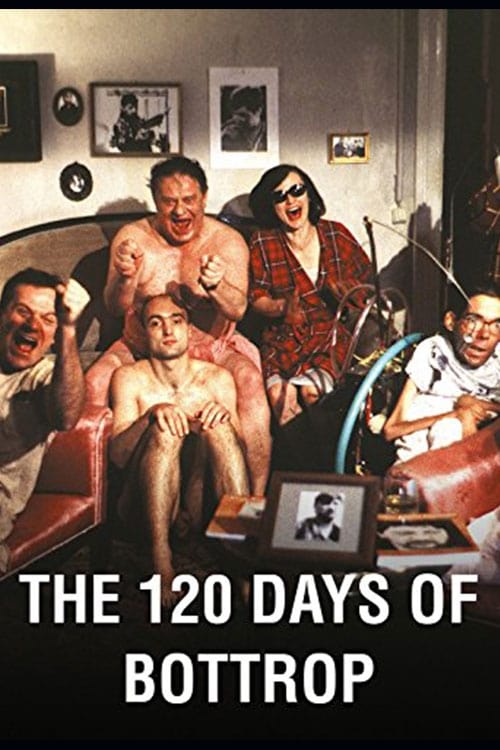
The 120 Days of Bottrop
An eccentric homage to the Rainer Werner Fassbinder days of German filmmaking.
Insights
Plot Summary
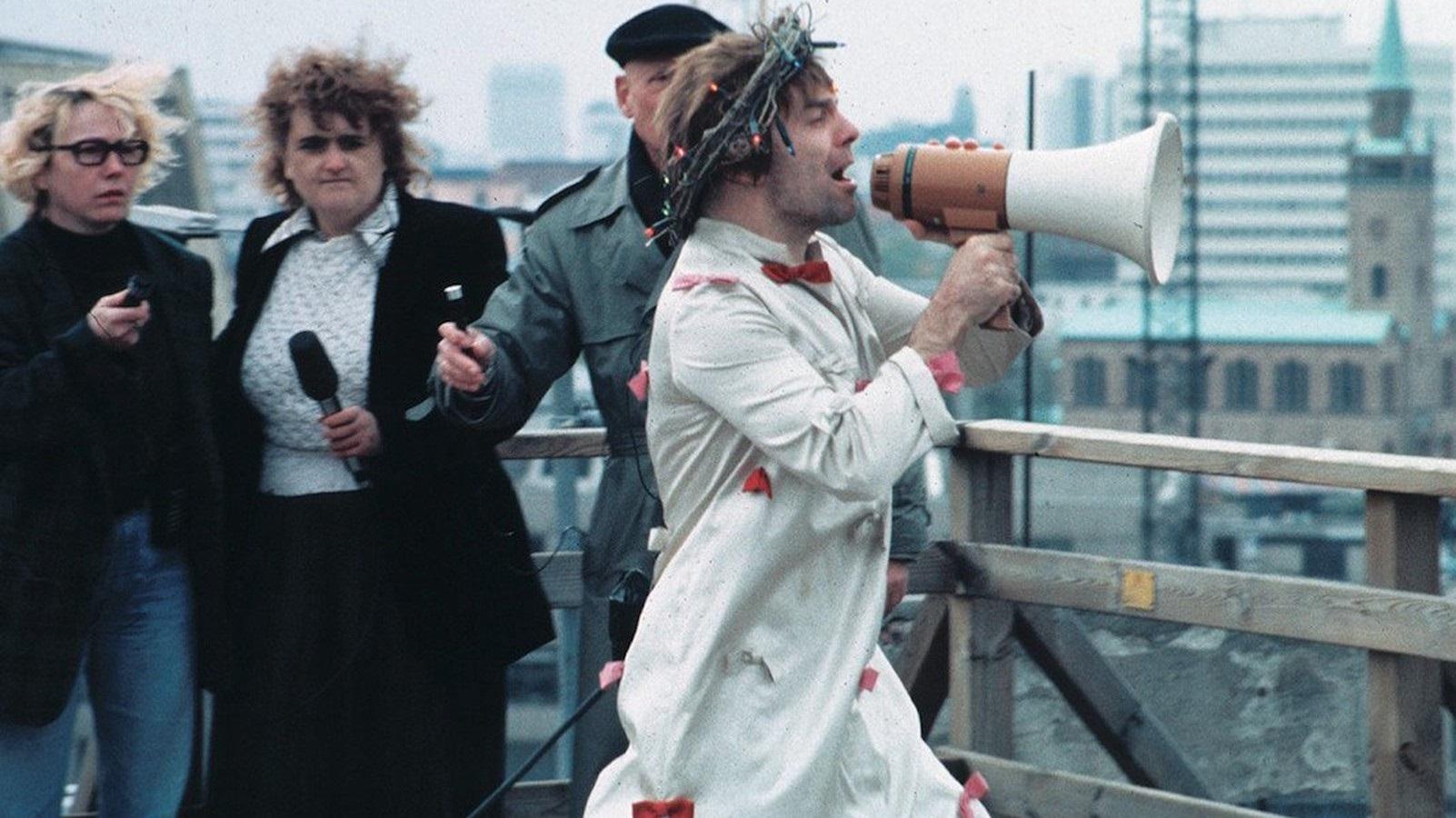
This experimental film is a staged reading and theatrical exploration of a lost German film that was allegedly produced in 1944. It delves into themes of power, control, and artistic representation, blurring the lines between reality, fiction, and performance. The narrative unfolds through a series of intense dialogues and staged confrontations among actors attempting to reconstruct the original, never-seen work.
Critical Reception
The film was met with a highly polarized reception, often seen as a challenging and divisive work. It garnered attention for its experimental nature and provocative themes, appealing primarily to cinephiles interested in avant-garde cinema and film theory. Mainstream audiences and critics were often divided, with some praising its audacity and others finding it inaccessible or overly bleak.
What Reviewers Say
A highly unconventional and provocative cinematic experiment.
Explores disturbing themes with unflinching intensity.
Divisive for its challenging structure and bleak outlook.
Google audience: Information on Google user reviews for this specific film is not readily available.
Fun Fact
The film's title is a direct reference to Pier Paolo Pasolini's controversial 1975 film 'Salò, or the 120 Days of Sodom,' and it is itself an exploration of transgression and artistic boundaries.
AI-generated overview · Verify ratings on official sources