
Ahmetaslan27
The sequence of events was the reason for repeating the movie and watching it more than once. Never mind if you are not following the history of Hollywood, you will feel weary and bored.
Movie spotlight
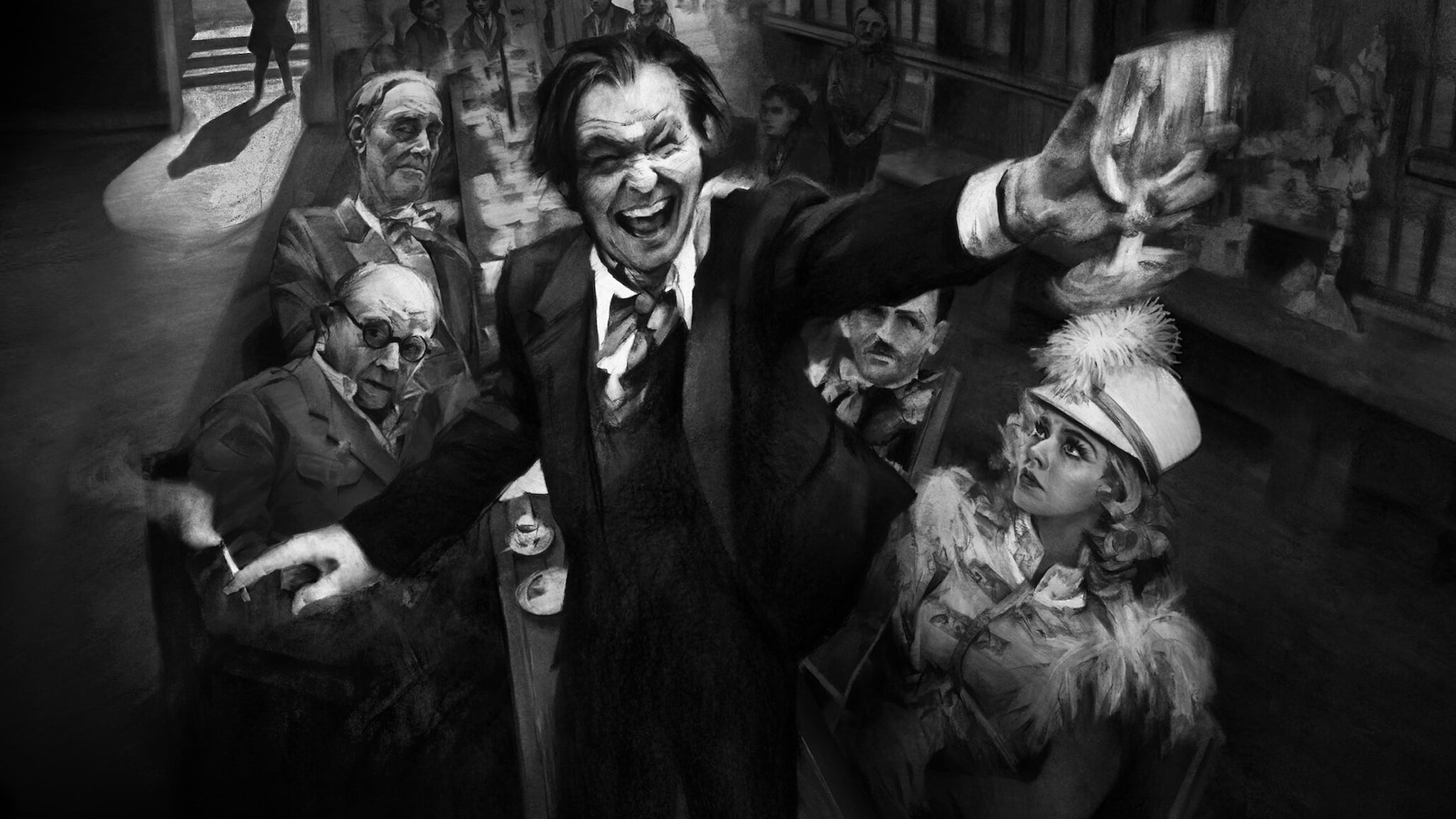
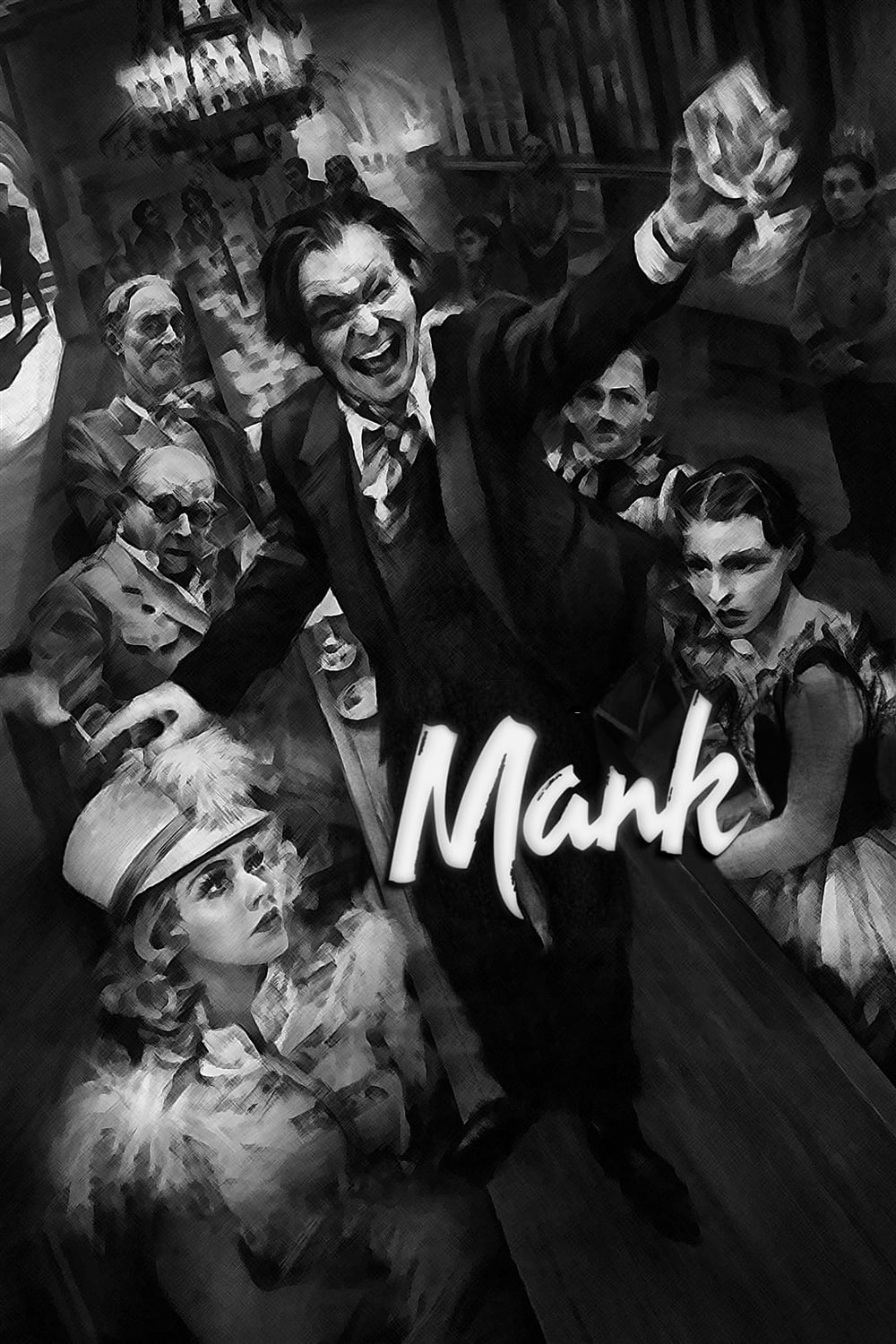
1930s Hollywood is reevaluated through the eyes of scathing social critic and alcoholic screenwriter Herman J. Mankiewicz as he races to finish the screenplay of Citizen Kane.
In 1930s Hollywood, screenwriter Herman J. Mankiewicz (Mank) struggles with his addiction to alcohol and gambling while working on the screenplay for the seminal film Citizen Kane. The film delves into his complex relationships with studio executives, fellow writers, and the powerful figures of the era, exploring his creative process and the personal demons that influenced his masterpiece. Through flashbacks and sharp dialogue, Mank offers a critical look at the power dynamics and artistic compromises of the Golden Age of Hollywood.
Mank received generally positive reviews from critics, who praised David Fincher's distinctive direction, the film's visual style, and Gary Oldman's performance. However, some critics found the narrative structure challenging and the film's focus on Mankiewicz's personal struggles to be somewhat opaque or less engaging than the subject matter deserved. Audience reception was more divided, with some appreciating its artistic ambition and historical portrayal, while others found it slow-paced and overly niche.
Praised for its stunning black-and-white cinematography and David Fincher's meticulous direction.
Gary Oldman's performance as Mankiewicz is a highlight, capturing the character's wit and despair.
The film's non-linear narrative and deep dive into Hollywood's political and social history can be demanding for some viewers.
Google audience: Google users largely appreciated Mank for its visual artistry and historical exploration of Hollywood. Many commended Gary Oldman's performance and the film's authentic period feel. Some viewers found the plot dense and the pacing slow, suggesting it might appeal more to cinephiles than a general audience.
Nominated for 10 Academy Awards, winning for Best Cinematography and Best Production Design. Received nominations for Golden Globe Awards and BAFTAs.
The film was shot entirely in black and white, a deliberate choice by director David Fincher to evoke the aesthetic of classic Hollywood films and to emphasize the era in which the story takes place.
AI-generated overview · Verify ratings on official sources
The sequence of events was the reason for repeating the movie and watching it more than once. Never mind if you are not following the history of Hollywood, you will feel weary and bored.

This features another quite impressive, powerful, performance from Gary Oldman as David Fincher uses his stylish and authentic portrayal of the borderline iconoclast Herman J. Mankiewicz to take us on a tour of Hollywood in the 1930s. It's ...
A fascinating look about what supposedly went into <em>'Citizen Kane'</em>. <em>'Mank'</em>, a biopic about screenwriter Herman J. Mankiewicz, is a very good watch. A lot goes on and it's pretty much all interesting to see, admittedly yo...
If you enjoy reading my Spoiler-Free reviews, please follow my blog @ https://www.msbreviews.com This last week of mine has been one of the most challenging I've ever had since I started this project. Not only due to the number of David...

Rather than a burst of cinematic energy, 'Mank' is a considered, meticulous, subtle and ultimately furious film, one that continues to grow in your mind hours after seeing it. Even after two viewings, I can still hear my mind chewing over e...