Movie spotlight
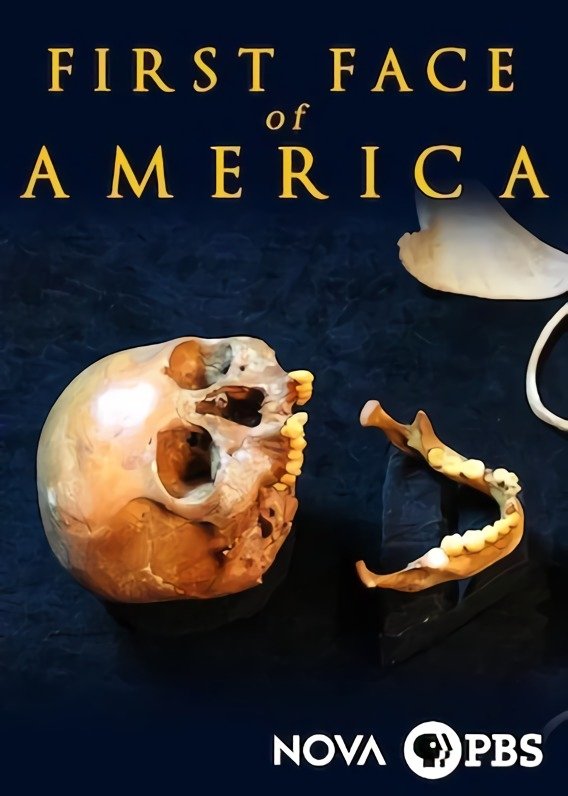
NOVA: First Face of America
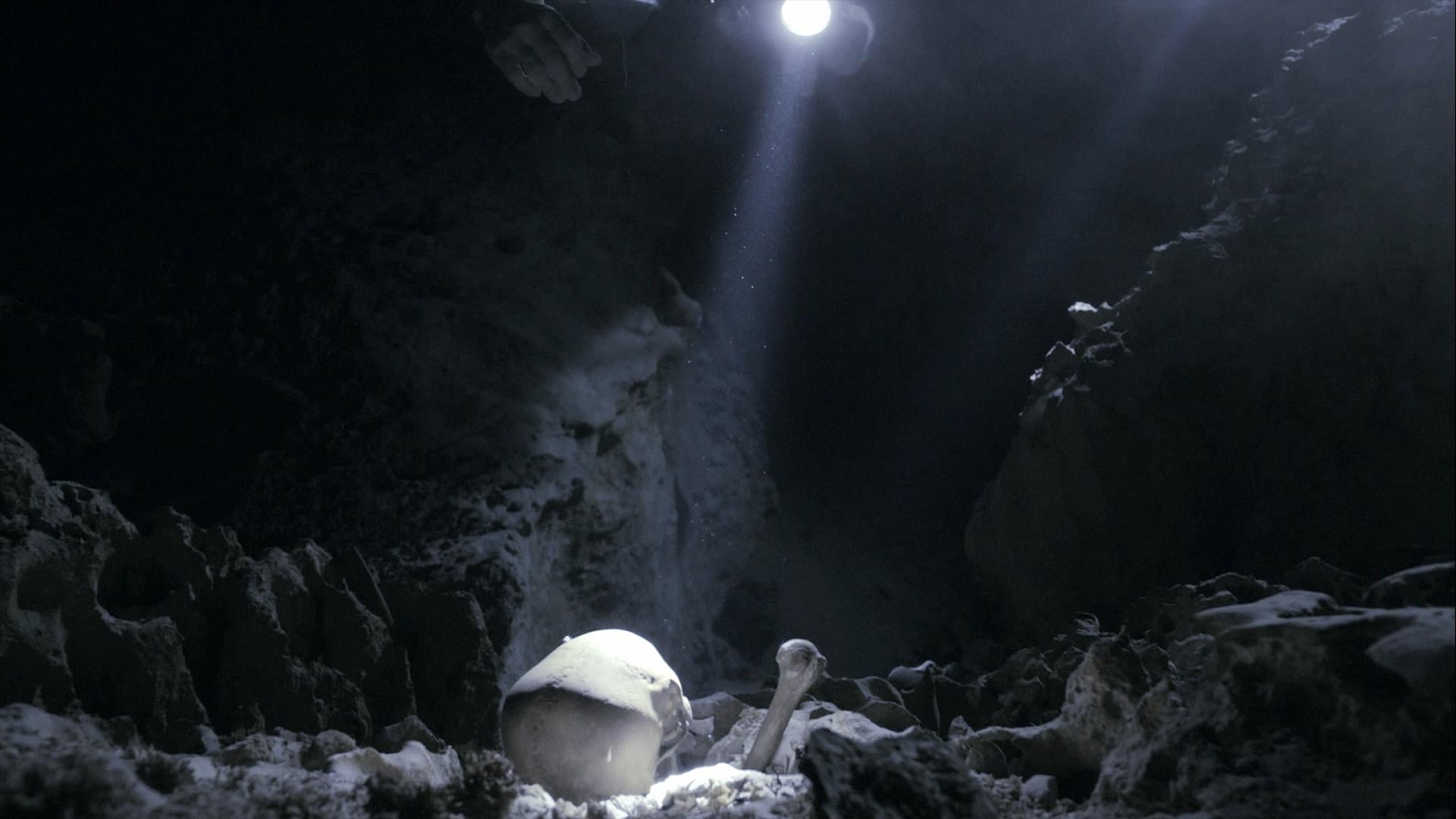
During risky expeditions in an underwater cave in Mexico, scientists unearth the skeleton of a 13,000-year-old prehistoric teenager to gain insight into the earliest known humans in America.
Insights
Plot Summary
This episode of the long-running science documentary series NOVA explores the discovery and significance of the oldest human skull ever found in North America. The program delves into the scientific methods used to date the skull and analyze its features, challenging previous assumptions about the timeline of human migration into the continent. It also examines the cultural and scientific implications of this groundbreaking find.
Critical Reception
NOVA documentaries are generally well-regarded for their thorough research, clear explanations of complex scientific topics, and engaging presentation. 'First Face of America' was praised for its accessible approach to paleoanthropology and its ability to convey the excitement of scientific discovery to a broad audience.
What Reviewers Say
Praised for its clear and concise explanation of scientific concepts.
Commended for its engaging narrative and compelling visuals.
Appreciated for shedding light on a significant archaeological discovery.
Google audience: Audience reception for this specific NOVA episode is not readily available through aggregated Google user reviews, but NOVA as a series typically garners positive feedback for its educational content and high production quality.
Fun Fact
The discovery of the "Penultimate Man" skull, the subject of this NOVA episode, was a significant event that pushed back the known timeline of human presence in North America by potentially thousands of years, sparking considerable scientific debate and further research.
AI-generated overview · Verify ratings on official sources