
Movie spotlight
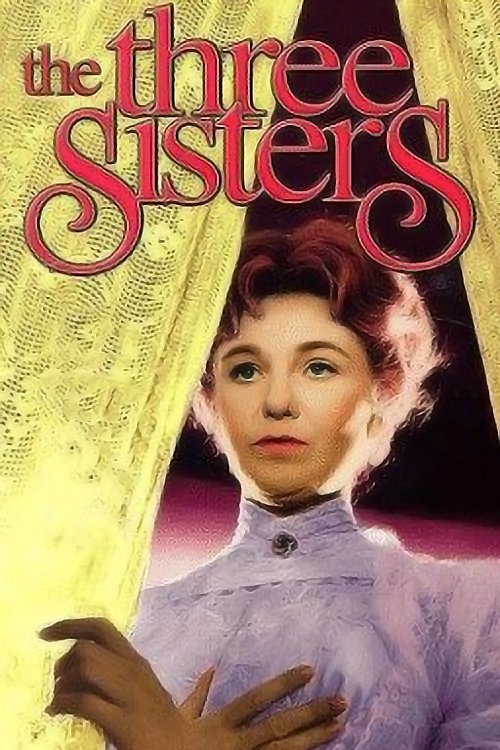
The Three Sisters
In a small Russian town at the turn of the century, three sisters and their brother live but dream daily of their return to their former home in Moscow, where life is charming and stimulating meaningful. But for now they exist in a malaise of dissatisfaction. Soldiers from the local military post provide them some companionship and society, but nothing can suffice to replace Moscow in their hopes. Andrei marries a provincial girl, Natasha, and begins to settle into a life of much less meaning than he had hoped. Natasha begins to run the family her way. Masha, though married, yearns for the sophisticated life and begins a dalliance with Vershinin, an army officer with a sick and suicidal wife. Even Irina, the freshest, most optimistic of the sisters, begins to waver in her dreams until, finally, tragedy strikes.
Insights
Plot Summary
In 1909, at a remote Russian country estate, the three unmarried Prozorov sisters - Olga, Masha, and Irina - yearn for a return to Moscow. Their provincial life is disrupted by the arrival of their brother Andrei and his new wife, Natasha, as well as a garrison of army officers. Tensions rise and romantic entanglements unfold as the sisters grapple with unfulfilled desires, societal expectations, and the passage of time, all while their dreams of a more vibrant life in the city fade.
Critical Reception
Laurence Olivier's 1966 television adaptation of Anton Chekhov's "The Three Sisters" was a significant event, bringing a stage-oriented production to a wider audience. While praised for its fidelity to the source material and the directorial skill of Olivier, its reception was somewhat divided between those who appreciated its theatricality and those who found it less cinematic. The performances, particularly from the lead actresses embodying the sisters, were generally well-regarded.
What Reviewers Say
Praised for its faithful adaptation of Chekhov's classic play.
Laurence Olivier's direction was noted for its theatrical quality and attention to detail.
The performances, especially of the sisters, were generally seen as strong and nuanced.
Google audience: Audience reception information for this specific 1966 television adaptation is not readily available.
Fun Fact
This adaptation was part of a series of television productions directed by Laurence Olivier for the BBC, aiming to bring classic plays to the small screen with high production values and acclaimed actors.
AI-generated overview · Verify ratings on official sources