
Movie spotlight
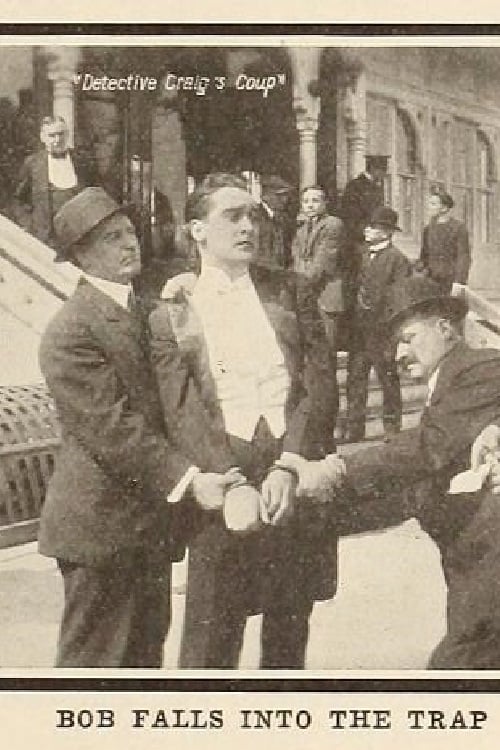
Detective Craig's Coup
On the trail of counterfeiters Detective Craig is on their trail. Suspicion falls on James Dalton who passes bad money through unsuspecting "fences." Dalton plants bad bills on young Bob Brierly and when it is detected Dalton, as usual, escapes while the innocent Bob is caught and convicted. Upon his release Bob meets Mae Edwards who gets him a job in her bank. When Dalton comes to the bank to case it for a robbery he runs into Bob and tries to recruit him as an accomplice. Bob, who has married Mae, refuses. Dalton causes him to lose his position and because of Dalton’s persistent efforts forces Bob to join the crook. Craig, shadowing Dalton, knows Bob is taking part against his will. Craig foils the robbery and after a motorboat chase Dalton is captured and exonerates Bob.
Insights
Plot Summary
In this early crime short, Detective Craig is tasked with solving a complex case involving a jewel theft. He meticulously follows clues and employs his sharp deductive reasoning to uncover the culprit behind the daring heist. The film showcases the burgeoning genre of detective stories on screen, with Craig himself serving as the central figure of investigation.
Critical Reception
As a silent short film from 1914, detailed critical reception is scarce. However, films of this era were generally seen as novel entertainment, with audiences appreciating the unfolding narratives and the emergence of distinct character archetypes like the detective. Its primary value lies in its historical context as an example of early cinematic storytelling in the crime genre.
What Reviewers Say
A primitive but engaging example of early detective cinema.
Highlights the emerging popularity of crime-solving narratives on film.
Valuable for its historical significance in the development of the genre.
Google audience: Information regarding Google user reviews for this 1914 short film is not available.
Fun Fact
The film's director is uncredited, a common practice in the early days of filmmaking where the focus was often on the actors and the studio rather than the director's individual artistic vision.
AI-generated overview · Verify ratings on official sources