
Movie spotlight
Král Ubu
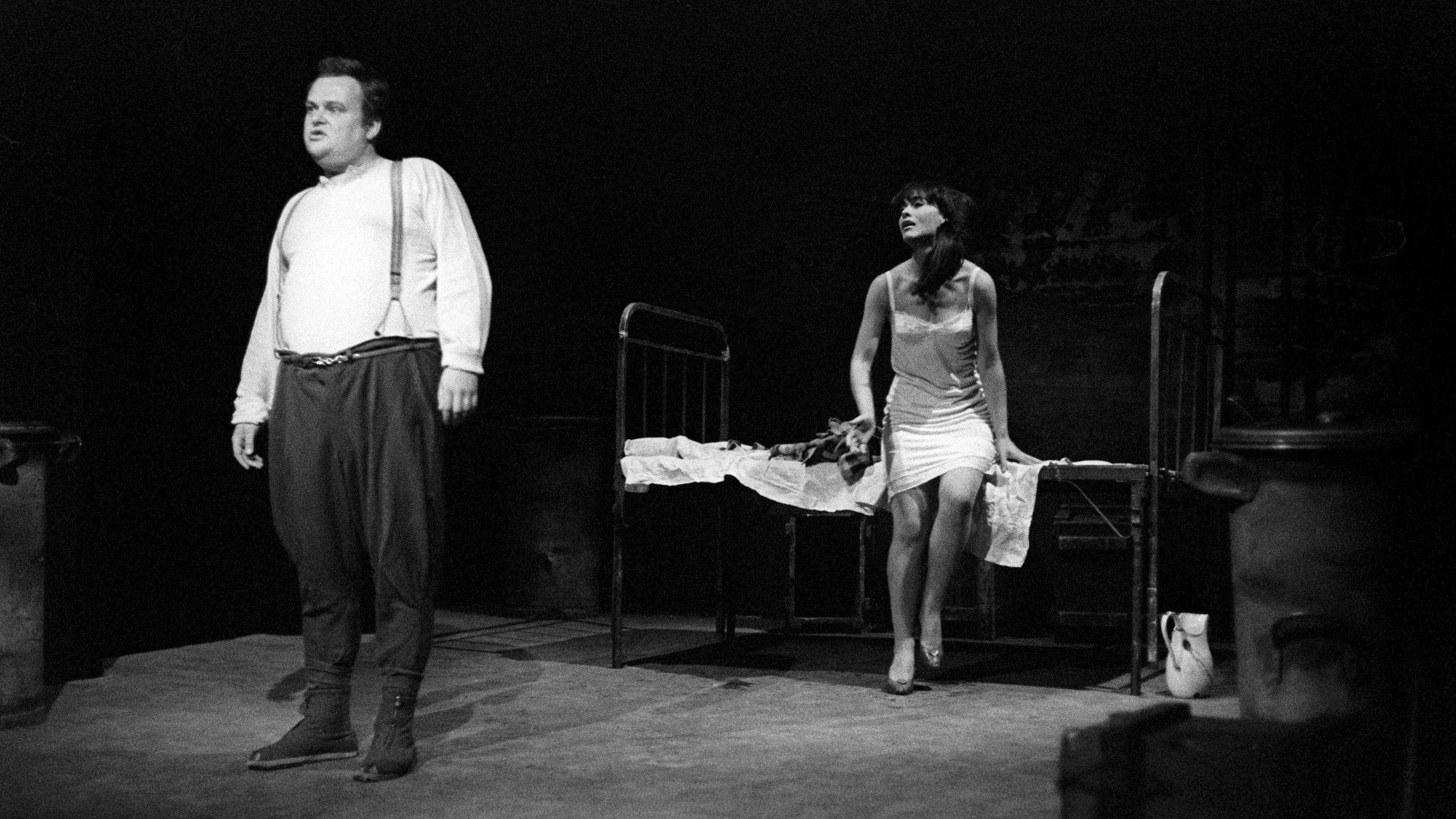
A television recording of a theatrical production of Alfred Jarry's absurd drama about the gluttonous, gluttonous, compulsive and unscrupulous Father Ubo, who, with the generous advice of his ambitious wife, gets rid of the Polish king and seizes his throne. He establishes a reign of terror in which he only cares about his own benefit, so it is not surprising that the people rebel against him. The recording was made at the end of July 1968 and, thanks to a copy saved from destruction during the normalization period, was first published in 1990.
Insights
Plot Summary
A dark comedy that reimagines Alfred Jarry's scandalous play 'Ubu the King' within a cynical, post-communist Czechoslovakia. The film follows the grotesque and tyrannical rise of Ubu, a man driven by greed and lust for power, as he wreaks havoc upon society. His actions are a satirical commentary on corruption and the absurdity of authoritarianism.
Critical Reception
Král Ubu was met with mixed to positive reviews, with critics often praising its audacious satire and strong performances, particularly from Miroslav Donutil as the titular character. However, some found its dark humor and bleak outlook challenging. The film is noted for its distinctive visual style and its unflinching look at the darker aspects of human nature and societal decay.
What Reviewers Say
Praised for its biting satire and dark, absurdist humor.
Miroslav Donutil's performance as Ubu is a standout.
The film's bleak portrayal of power and corruption can be unsettling.
Google audience: Information on specific Google user reviews for this film is not readily available.
Fun Fact
The film is an adaptation of Alfred Jarry's highly controversial 1896 play 'Ubu the King', which was itself a groundbreaking work of avant-garde theater known for its shocking content and linguistic innovation.
AI-generated overview · Verify ratings on official sources