
Insights
Plot Summary
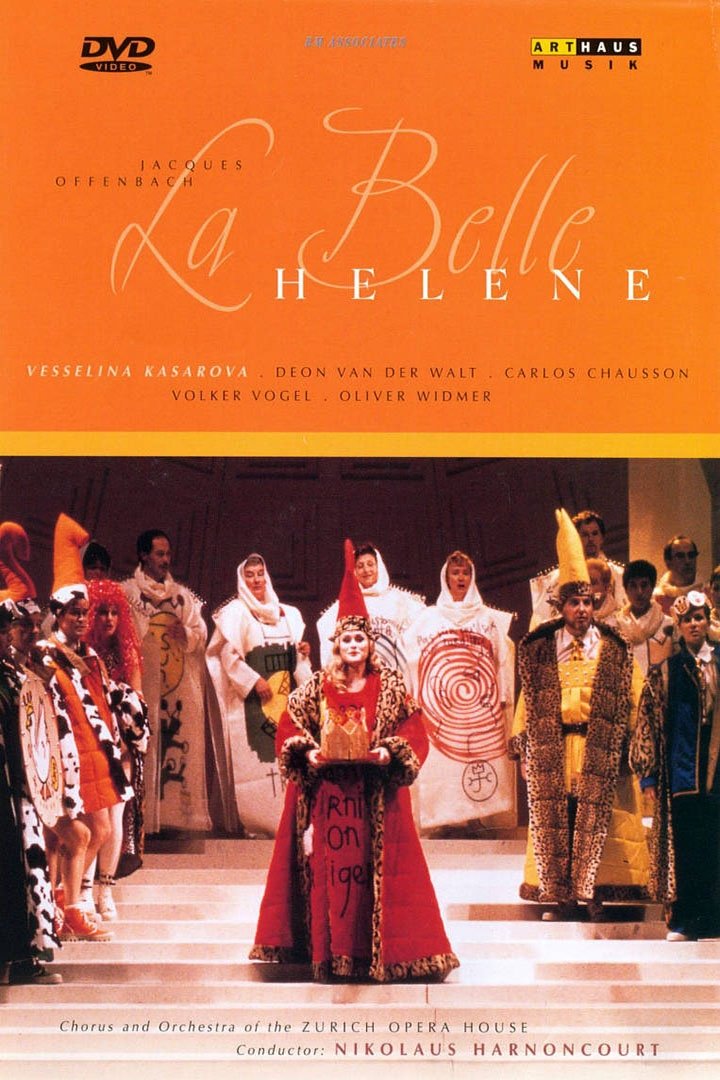
A satirical operetta by Jacques Offenbach, 'La Belle Hélène' humorously reimagines the Judgement of Paris and the origins of the Trojan War. It portrays Helen as a flighty and easily bored socialite, Paris as a somewhat dim-witted shepherd, and the gods Jupiter, Mars, and Venus as petty and self-serving figures. The story follows Paris's misguided attempt to win Helen's affections, leading to chaos and the eventual descent of Greece upon Troy.
Critical Reception
As an operetta, 'La Belle Hélène' is primarily judged on its musicality, wit, and comedic staging. Revivals are generally well-received, praised for Offenbach's infectious melodies and Halévy and Meilhac's sharp, anachronistic humor that skewers contemporary society. Its enduring popularity lies in its lighthearted take on classical mythology and its satirical commentary.
What Reviewers Say
Praised for Offenbach's brilliant and lively score.
Celebrated for its witty and satirical libretto.
Appreciated for its playful and often anachronistic take on ancient myths.
Google audience: Audience reviews for stagings of 'La Belle Hélène' typically highlight the production's humor, the charm of the music, and the success of the cast in delivering a comedic performance. Many appreciate its lighthearted and entertaining nature as a departure from more serious operatic works.
Awards & Accolades
None notable (as it's a classic operetta, not a film or modern play that receives contemporary awards)
Fun Fact
The operetta was originally intended to be a political satire targeting Napoleon III's regime, with its themes of infidelity and divine incompetence mirroring perceived issues within the Second French Empire.
AI-generated overview · Verify ratings on official sources