
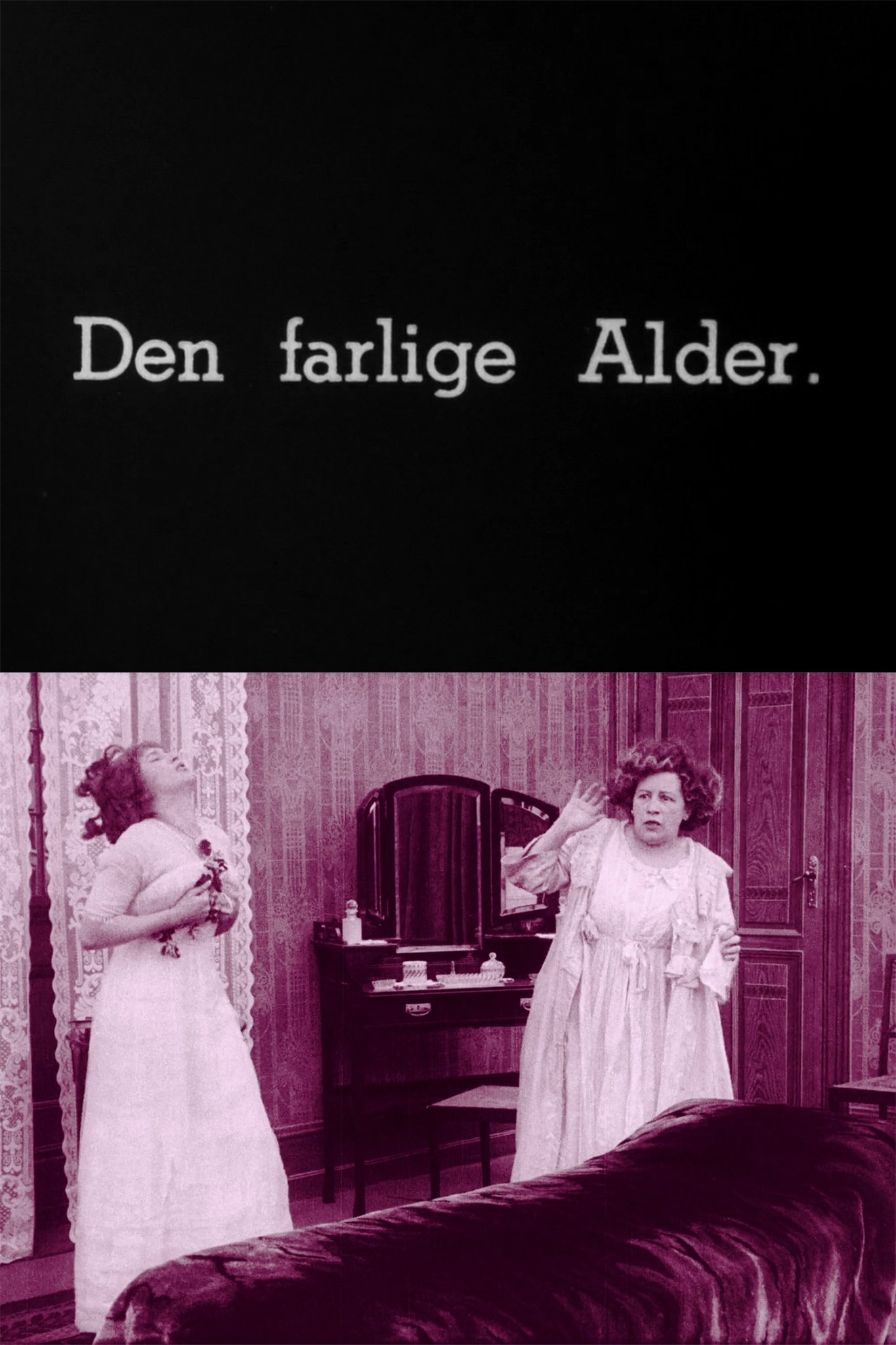
The Price of Beauty
Countess von Würzen is of a certain age, but she still captivates the men she meets on her way. When her daughter Elsa announces her engagement to the young, handsome Leopold von Raven, the countess suddenly feels the years creeping up on her. So she cannot help herself when, at the engagement party, she finds Leopold suddenly leaning in towards her. (Stumfilm.dk)
Insights
Plot Summary
A young woman, saddened by her plain appearance, seeks a magical remedy to become beautiful. She is visited by a fairy who offers her a potion. The woman drinks it, and her reflection reveals she has become stunningly beautiful. However, this newfound beauty comes at a great cost, as she realizes the superficiality of her transformation and the emptiness it brings.
Critical Reception
As a very early silent film from 1911, specific critical reviews are scarce. However, Alice Guy-Blaché's work at the time was groundbreaking for its narrative complexity and technical innovation. 'The Price of Beauty' is noted for its exploration of themes related to vanity and superficiality, which were quite advanced for its era. It is generally viewed as an interesting artifact of early cinema and a testament to Guy-Blaché's directorial vision.
What Reviewers Say
- Explores themes of vanity and the superficiality of beauty.
- Demonstrates early narrative filmmaking and directorial innovation.
- A thought-provoking commentary on societal values.
Google audience: Due to the film's age, specific user reviews on platforms like Google are not available. However, its historical significance as an early work by a pioneering female director is widely appreciated.
Fun Fact
Alice Guy-Blaché, the director of 'The Price of Beauty,' is considered one of the very first filmmakers to use narrative and produced over 1,000 films in her career, though many were lost.
AI-generated overview · Verify ratings on official sources