
Movie spotlight
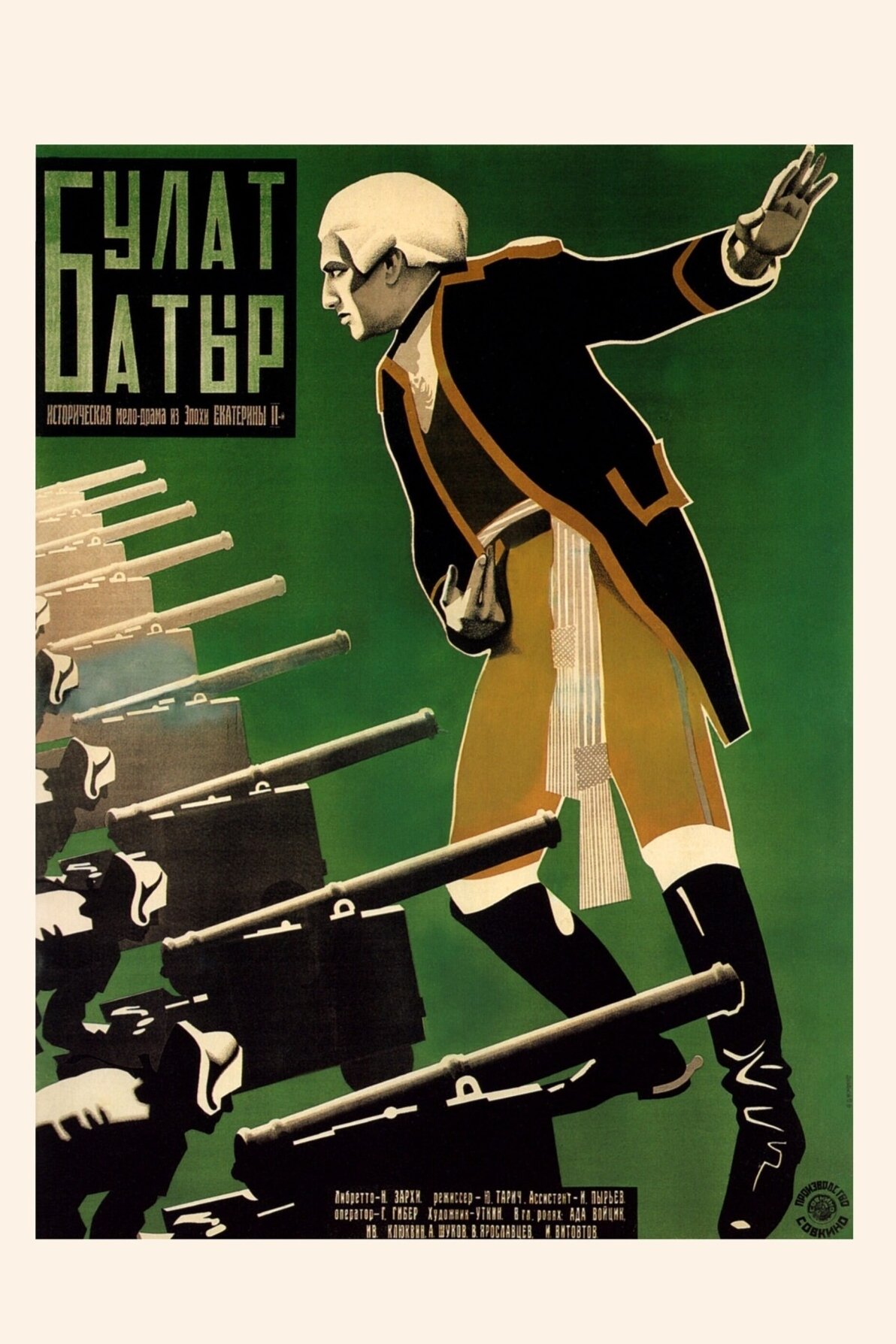
Bulat-Batyr
In a small Tatar village during the traditional holiday of the beginning of plowing, monks appear accompanied by soldiers. Trying to convert the local population to Orthodoxy by force, the monks and soldiers meet a tough rebuff from the locals. The wife of the peasant Bulat dies, and his son Asfan is taken away in an unknown direction.
Insights
Plot Summary
Set during the tumultuous 17th century, the film chronicles the struggle of the Bashkir people against oppressors. It focuses on the legendary figure of Bulat-Batyr, a national hero who leads his people in their fight for freedom and independence against encroaching foreign powers. The narrative highlights themes of resistance, sacrifice, and the enduring spirit of a nation striving to protect its identity and land.
Critical Reception
As a silent film from the Soviet era, "Bulat-Batyr" is historically significant for its portrayal of nationalistic struggles and its use of cinematic techniques of the time. While specific contemporary critical reviews are scarce in readily accessible English-language sources, it is recognized for its epic scope and its role in Soviet historical filmmaking.
What Reviewers Say
Praised for its historical sweep and visual storytelling within the silent film medium.
Seen as an important piece of early Soviet cinema documenting national narratives.
Recognized for its portrayal of heroic resistance against oppression.
Google audience: Information on Google user reviews for this specific silent film is not readily available.
Fun Fact
The film was produced during a period when Soviet cinema was exploring themes of national history and revolutionary struggle, aiming to shape historical narratives through art.
AI-generated overview · Verify ratings on official sources