
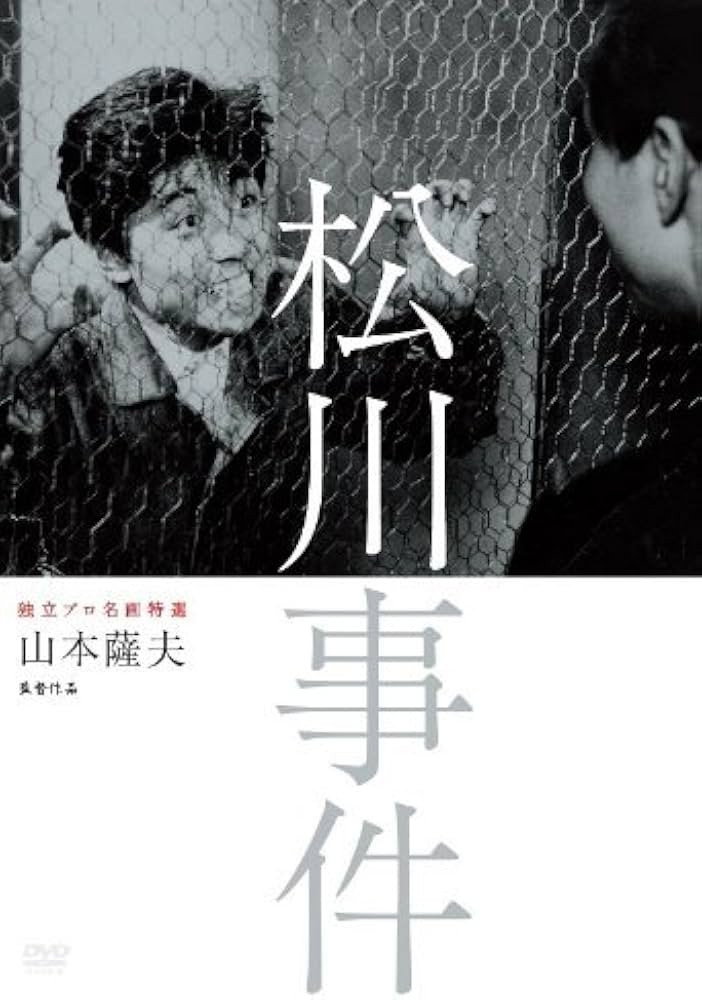
Movie spotlight
The Matsukawa Incident
Satsuo Yamamoto's filmic depiction of the famous 1949 Matsukawa Incident.
Insights
Plot Summary
Based on the true story of the 1949 derailment of a train near Matsukawa, Japan, this film delves into the subsequent investigation and trial. It explores the political and social tensions of post-war Japan, questioning the official narrative and the pressures faced by those accused. The movie examines themes of conspiracy, justice, and the struggle for truth in a complex societal landscape.
Critical Reception
The Matsukawa Incident was critically acclaimed for its masterful direction, compelling performances, and thought-provoking examination of a controversial historical event. It was praised for its nuanced portrayal of post-war Japanese society and its exploration of the complexities of justice and political intrigue. The film is considered a significant work in Japanese cinema.
What Reviewers Say
Praised for its suspenseful narrative and detailed depiction of a real-life event.
Lauded for its strong performances, particularly from Tatsuya Nakadai.
Recognized for its incisive look at post-war Japanese society and its legal system.
Google audience: Audience reviews for The Matsukawa Incident often highlight its gripping plot and historical significance. Viewers commend the film's ability to keep them engaged while exploring profound social and political themes. Many appreciate its realistic portrayal and the intellectual stimulation it provides.
Awards & Accolades
Blue Ribbon Award for Best Actor (Tatsuya Nakadai), Kinema Junpo Award for Best Actor (Tatsuya Nakadai), Mainichi Film Concours for Best Actor (Tatsuya Nakadai).
Fun Fact
The film is based on the actual 'Matsukawa Incident' trial, which was one of Japan's most controversial post-war legal cases, involving accusations of sabotage and murder related to a train derailment.
AI-generated overview · Verify ratings on official sources