Movie spotlight
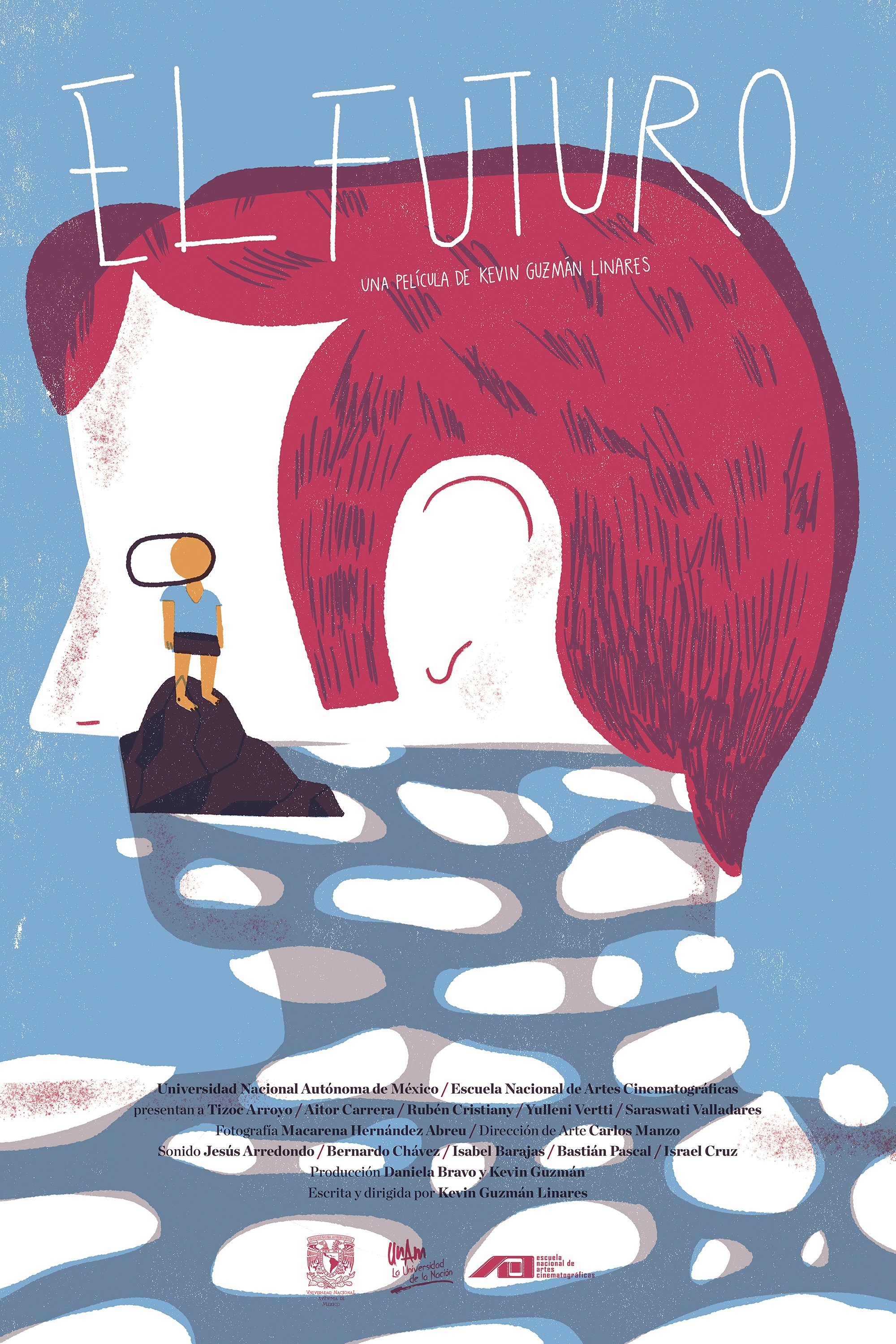
The Future
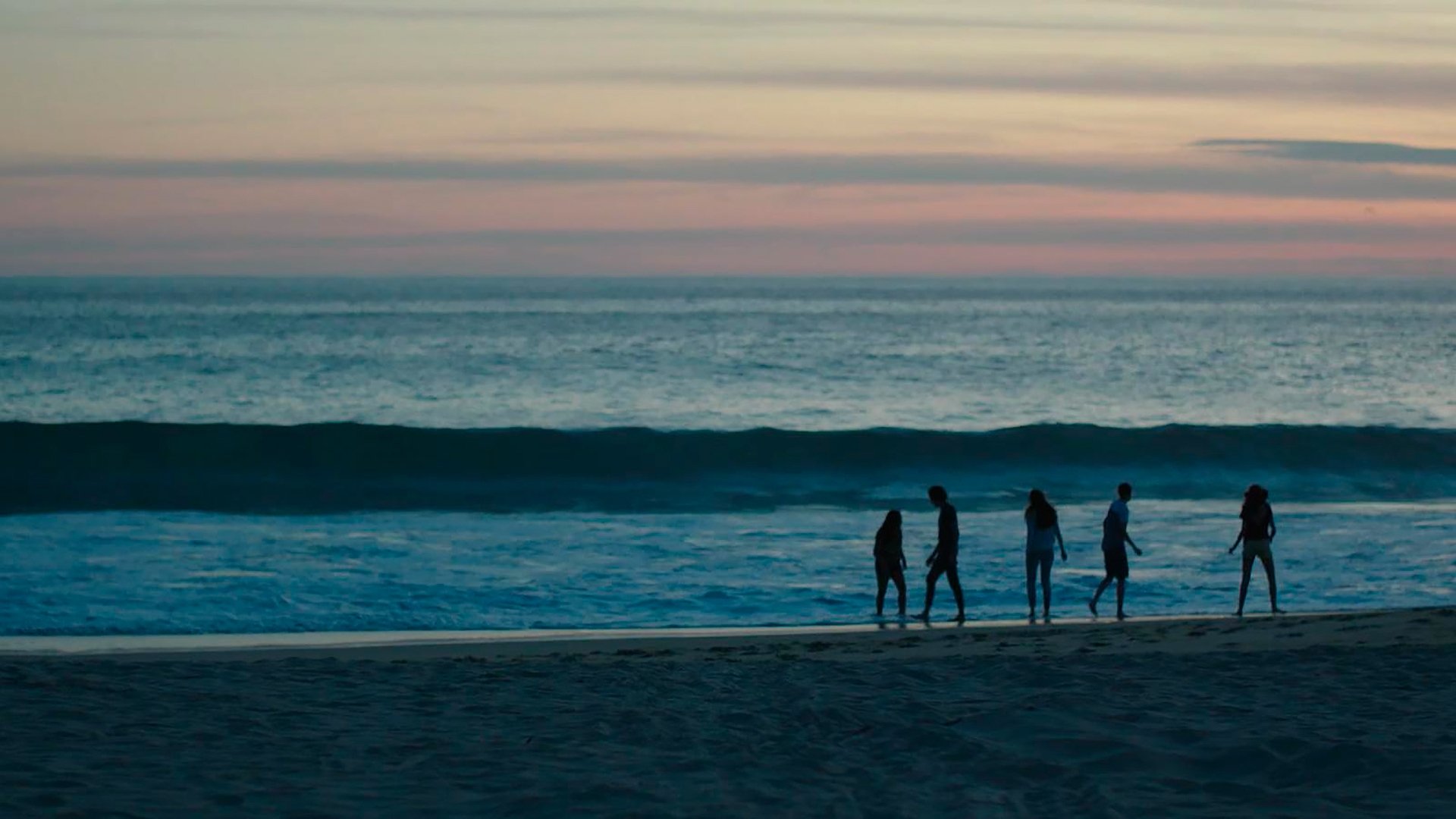
Leopoldo returns to his hometown motivated by the woman he was in love with 25 years ago. Simultaneously, Esteban, his teenage son, travels to the beach with his high school classmates, where he will strive to fit into a group that is hostile to him. Both must confront themselves to achieve what they believe will make them happy.
Insights
Plot Summary
A couple, desperate to adopt a child, decide to spend their remaining free time before the adoption process begins by pursuing their own individual artistic dreams. The husband, a graphic designer, creates a "message from the future" for a client, while his wife, an aspiring author, crafts an alter ego and writes stories from her perspective. Their unconventional approach to life leads to unexpected consequences and a deeper exploration of their relationship and individual identities.
Critical Reception
Miranda July's 'The Future' is a quirky and introspective film that garnered a polarized reception. Critics praised its unique artistic vision, surreal humor, and July's distinctive directorial voice, often highlighting the film's exploration of modern anxieties about commitment and self-discovery. However, some found its eccentricities alienating and its narrative pacing deliberately slow, leading to a divisive but memorable cinematic experience.
What Reviewers Say
Praised for its original and auteur-driven vision.
Noted for its quirky humor and exploration of modern anxieties.
Some critics found the film's unconventional style and pacing to be too esoteric.
Google audience: Audience reviews generally appreciate the film's unique artistic style and thought-provoking themes, though some found it to be overly quirky or slow-paced.
Awards & Accolades
Screened in the competition section of the Sundance Film Festival.
Fun Fact
Director Miranda July also stars as the protagonist and wrote the screenplay, embedding many personal artistic sensibilities into the film's narrative and visual style.
AI-generated overview · Verify ratings on official sources