Movie spotlight
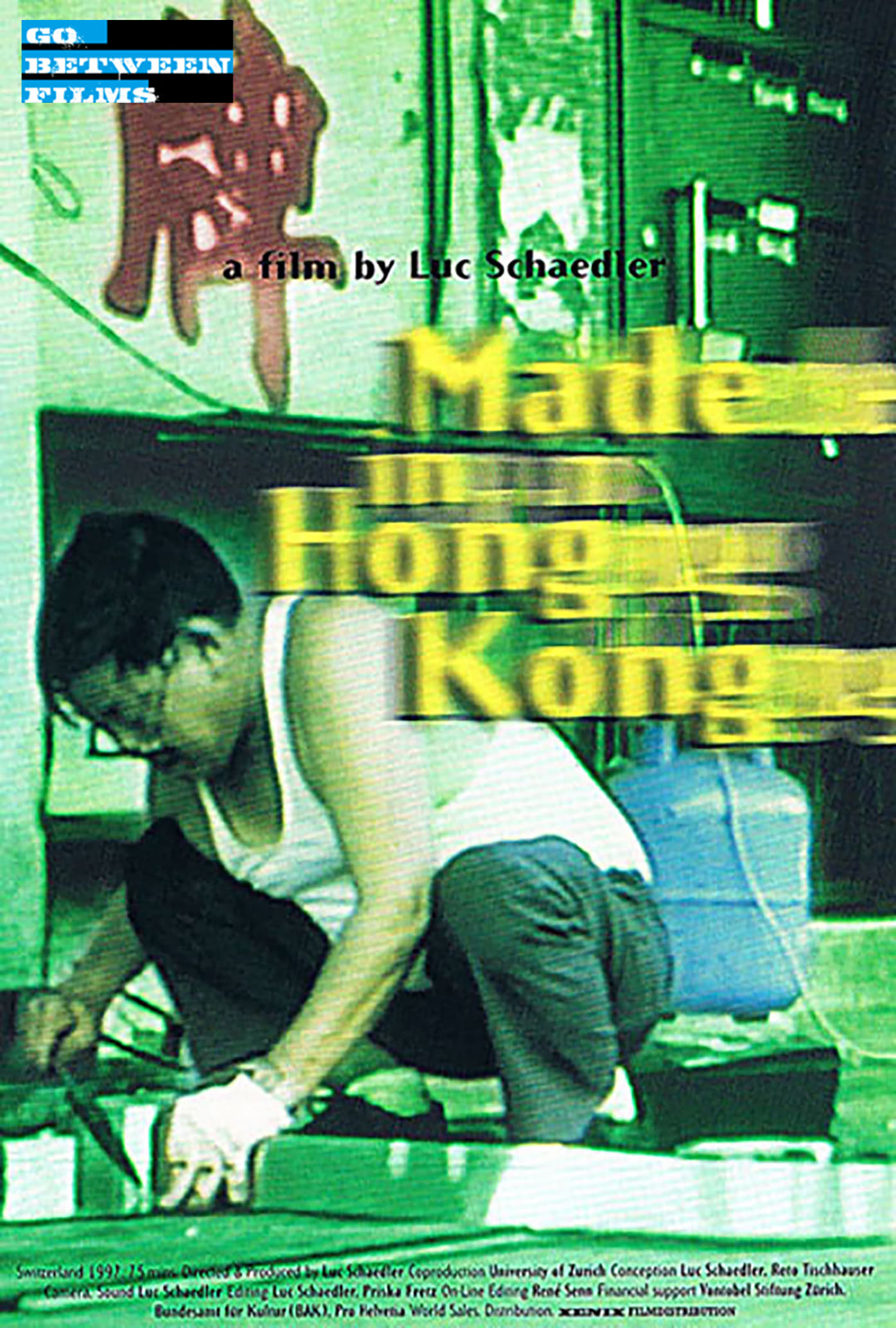
Made in Hong Kong
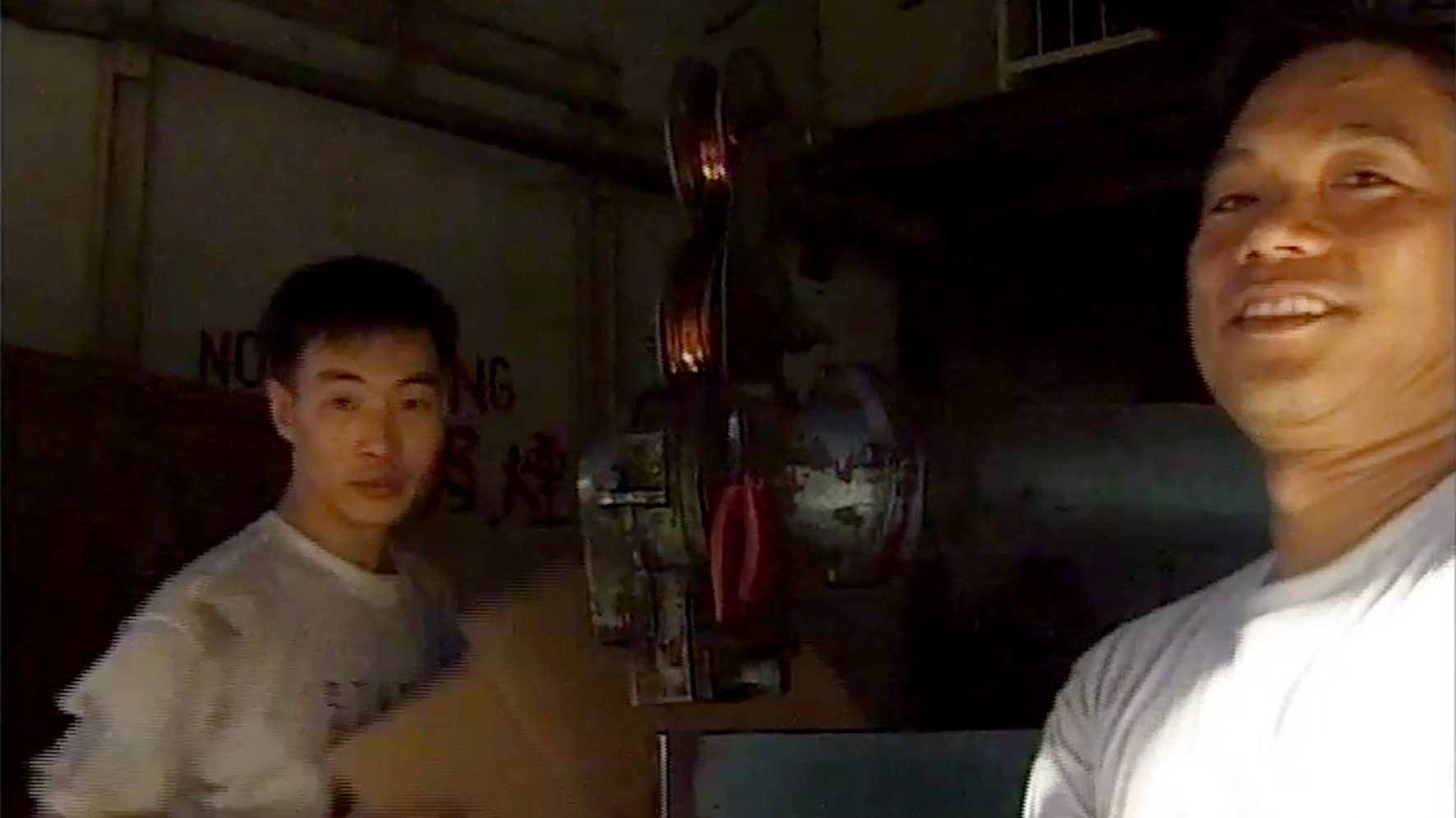
The film Made in Hong Kong allows glimpses on a Hong Kong shortly before the 1997 handover to China. But rather than focusing on the expected hysteria Luc Schaedler’s documentary debut works towards complexity by allowing six diverse residents to talk about their relationship to the colonial city. Their life stories beautifully mix with the images of the author. Made in Hong Kong is a very personal portrait of a city in transition and we learn about Hong Kong’s ambiguities and its political and social problems, as well as the uncertainties regarding the time after 1997.
Insights
Plot Summary
A group of disaffected youths in Hong Kong struggle with their futures as the city's handover to China looms. The film follows the aimless existence of a young man named Ping, who drifts between petty crime, a troubled relationship, and a deepening existential dread. As the political future of Hong Kong remains uncertain, so too do the lives of these young people, caught between tradition and an unknown destiny.
Critical Reception
Made in Hong Kong was widely acclaimed by critics for its raw, authentic portrayal of Hong Kong youth and its prescient exploration of the anxieties surrounding the 1997 handover. The film is celebrated for its gritty realism, its unflinching look at disenfranchisement, and its unique cinematic style, often lauded as a landmark of independent Hong Kong cinema.
What Reviewers Say
A powerful and poignant snapshot of a generation facing an uncertain future.
Praised for its authentic portrayal of youth alienation and the socio-political climate.
The film's raw energy and unflinching realism resonated strongly with critics.
Google audience: Audiences widely appreciated the film's honest depiction of Hong Kong's youth and the palpable sense of anxiety surrounding the handover, finding it a moving and thought-provoking experience.
Awards & Accolades
Won the Golden Leopard at the Locarno International Film Festival and the FIPRESCI Prize at the Hong Kong Film Awards.
Fun Fact
Director Fruit Chan shot the film on leftover film stock donated by other filmmakers, contributing to its lo-fi aesthetic and independent spirit.
AI-generated overview · Verify ratings on official sources