
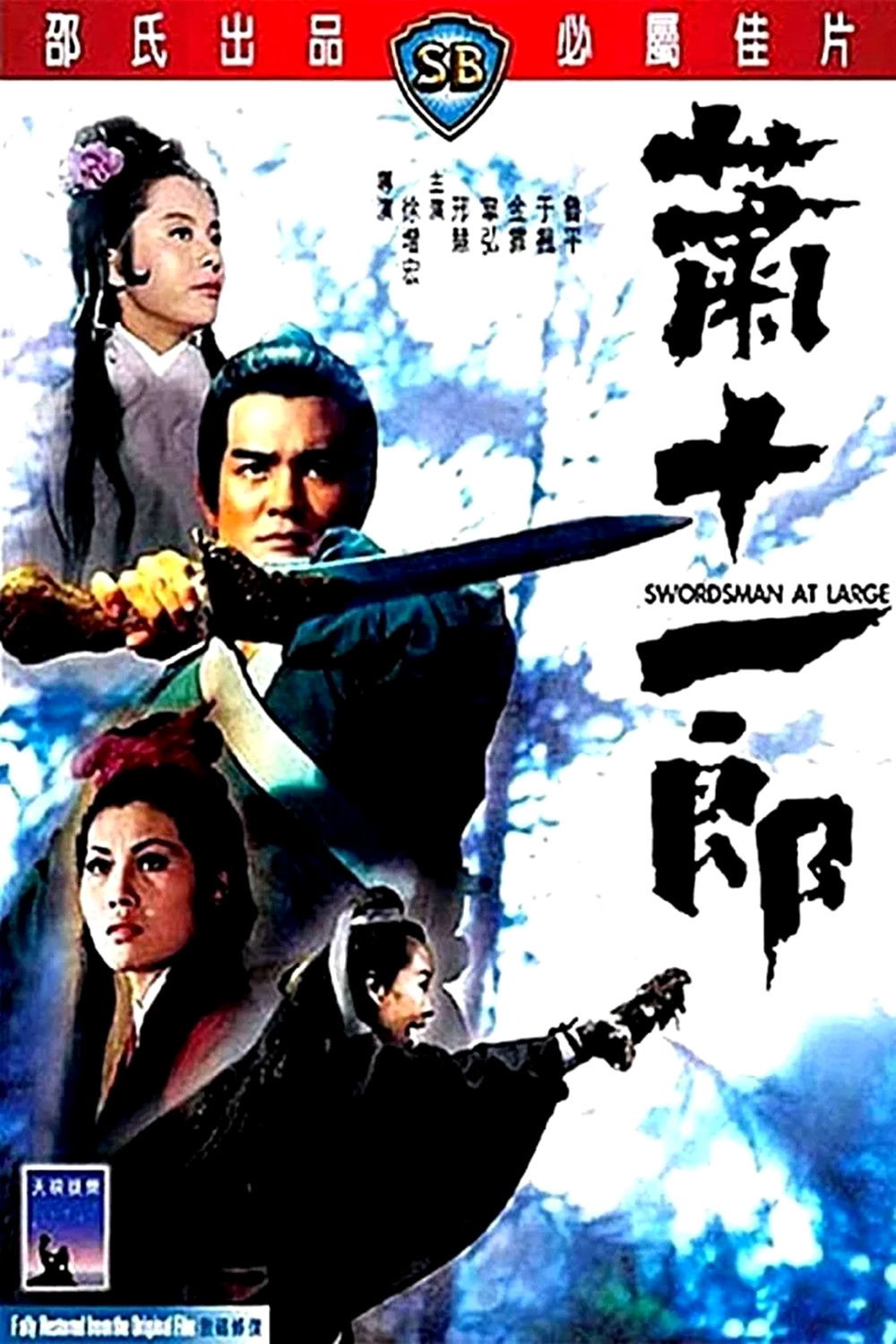
Swordsman at Large
Frankie Wei Hung is the Swordsman At Large, who everyone wants to kill. They even create a superlative sword simply for this purpose, but the blade is soon coveted even more than the hero's death by it! Bandits, beauties, and blade masters battle for survival in this exciting story of deceit, betrayal, and death, expertly guided by the same director who brought The Twin Swords, The Thundering Sword, and The Sword And The Lute to the Shawscope screen.
Insights
Plot Summary
In this wuxia film, a skilled swordsman finds himself embroiled in a series of conflicts involving a notorious bandit group and a vengeful clan. He must navigate treacherous alliances and deadly duels to uncover a conspiracy that threatens the martial arts world. Along the way, he forms uneasy partnerships and confronts powerful adversaries in his quest for justice.
Critical Reception
Swordsman at Large is a typical example of the wuxia genre from its era, characterized by stylized martial arts sequences and heroic narratives. While not a critically acclaimed masterpiece, it was appreciated by fans of martial arts films for its action choreography and adventurous plot.
What Reviewers Say
- Praised for its energetic fight scenes and classic wuxia tropes.
- Appreciated by genre enthusiasts for its straightforward heroic narrative.
- Seen as a solid, albeit unremarkable, entry in the 1970s martial arts film landscape.
Google audience: Audience reception for Swordsman at Large is primarily from niche martial arts film communities, where it is viewed as an enjoyable, albeit dated, example of the wuxia genre.
Fun Fact
The film was part of a wave of wuxia productions in the early 1970s, a period when Hong Kong cinema was solidifying its international reputation for martial arts films.
AI-generated overview · Verify ratings on official sources