
Movie spotlight
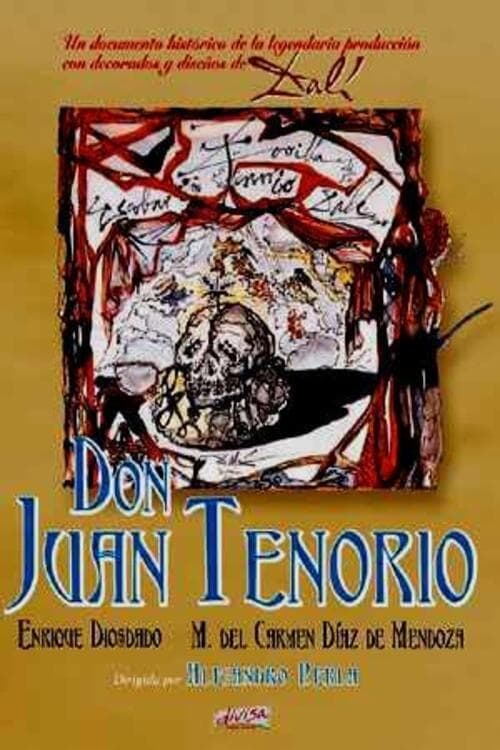
Don Juan Tenorio
There are nearly three dozen major televised, theatrical and cinematic productions paying homage to this revision of the original tale of Don Juan. Playwright José Zorrilla's work, was first written and published in 1844, and it soon became one of the most popular plays of the 19th Century. Spanish Director Alejando Perla's own 1952 cinematic version is probably the best-known of several films made concerning Zorrilla's take on the exploits of the immortal Don Juan-in just a 15 year period, (starting in 1936). His version stands out because it focuses on why Don Juan Tenorio should repent, after reflecting on a hedonistic life of drinking, followed by his enchantment, seduction and ultimate corruption of the innocent and married women he seduced then callously abandoned all throughout Seville.
Insights
Plot Summary
This Mexican adaptation of the classic Spanish play follows the libertine Don Juan, who makes a bet that he can seduce and corrupt the virtuous Doña Inés within a year. His actions lead to a spiral of deceit, revenge, and ultimately, a test of his soul, as he confronts the consequences of his hedonistic lifestyle and the possibility of redemption.
Critical Reception
The 1952 film adaptation of 'Don Juan Tenorio' was well-received in Mexico, praised for its faithful portrayal of the beloved literary work and its strong performances. It is considered a significant contribution to Mexican cinema's engagement with classic Spanish literature, appreciated for its dramatic intensity and romantic themes.
What Reviewers Say
Praised for its dramatic interpretation of the classic legend.
Applauded for capturing the romantic and tragic elements of the story.
Seen as a solid cinematic rendition of a foundational Spanish literary work.
Google audience: While specific Google user reviews for this older film are scarce, general audience reception typically highlights the film's adherence to the source material and the compelling nature of the Don Juan character's journey between vice and potential salvation.
Fun Fact
This adaptation was directed by Roberto Gavaldón, a highly respected Mexican filmmaker known for his work in film noir and dramas, who brought a distinct visual style to the classic tale.
AI-generated overview · Verify ratings on official sources