
Humanité
In a quiet little French town, two detectives are tasked with investigating the brutal rape and murder of a preteen girl.
Insights
Plot Summary
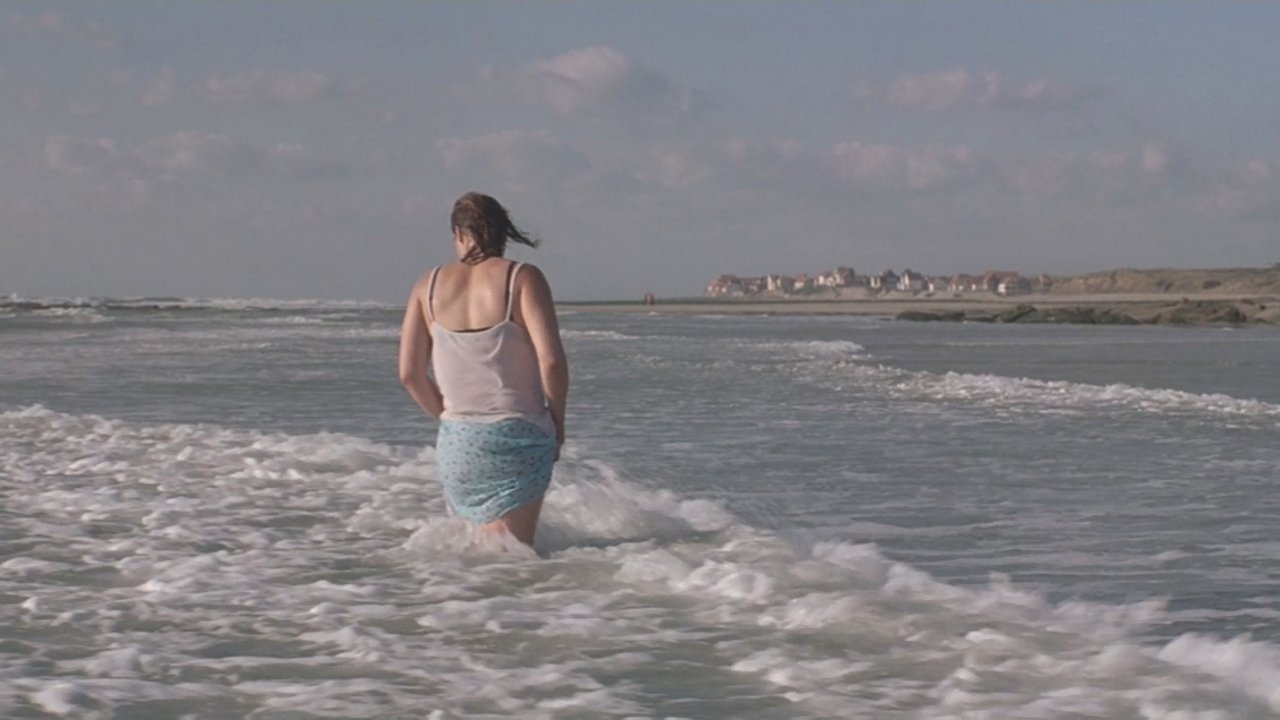
In a rural Northern French setting, the film follows Inspector Pharaon, a police detective investigating a series of horrific child murders. As he delves deeper into the case, his personal life, particularly his relationship with his mother and his unrequited love for Domino, becomes entangled with the grim realities of his profession. The narrative explores themes of love, obsession, and the darkest aspects of human nature against a backdrop of stark, unembellished landscapes.
Critical Reception
Humanité was a divisive film, lauded by many critics for its uncompromising artistic vision and unflinching depiction of human suffering and desire, while others found its pace and subject matter challenging and disturbing. It garnered significant attention at film festivals for its unique style and raw intensity.
What Reviewers Say
- Praised for its bold, uncompromising artistic vision and raw emotional power.
- Noted for its stark, almost observational filmmaking style.
- Criticized by some for its difficult subject matter and deliberate pacing.
Google audience: Audiences found the film to be a powerful, albeit disturbing, exploration of human psychology. While some appreciated its artistic merit and emotional depth, many struggled with its slow pace and bleak themes.
Awards & Accolades
Jury Grand Prize of the Festival and Best Actor Award (Emmanuel Schotte) at the 1999 Cannes Film Festival.
Fun Fact
Director Bruno Dumont cast non-professional actors, including Emmanuel Schotte as the lead detective, directly from the region where the film was shot, enhancing its raw and authentic feel.
AI-generated overview · Verify ratings on official sources