
Movie spotlight
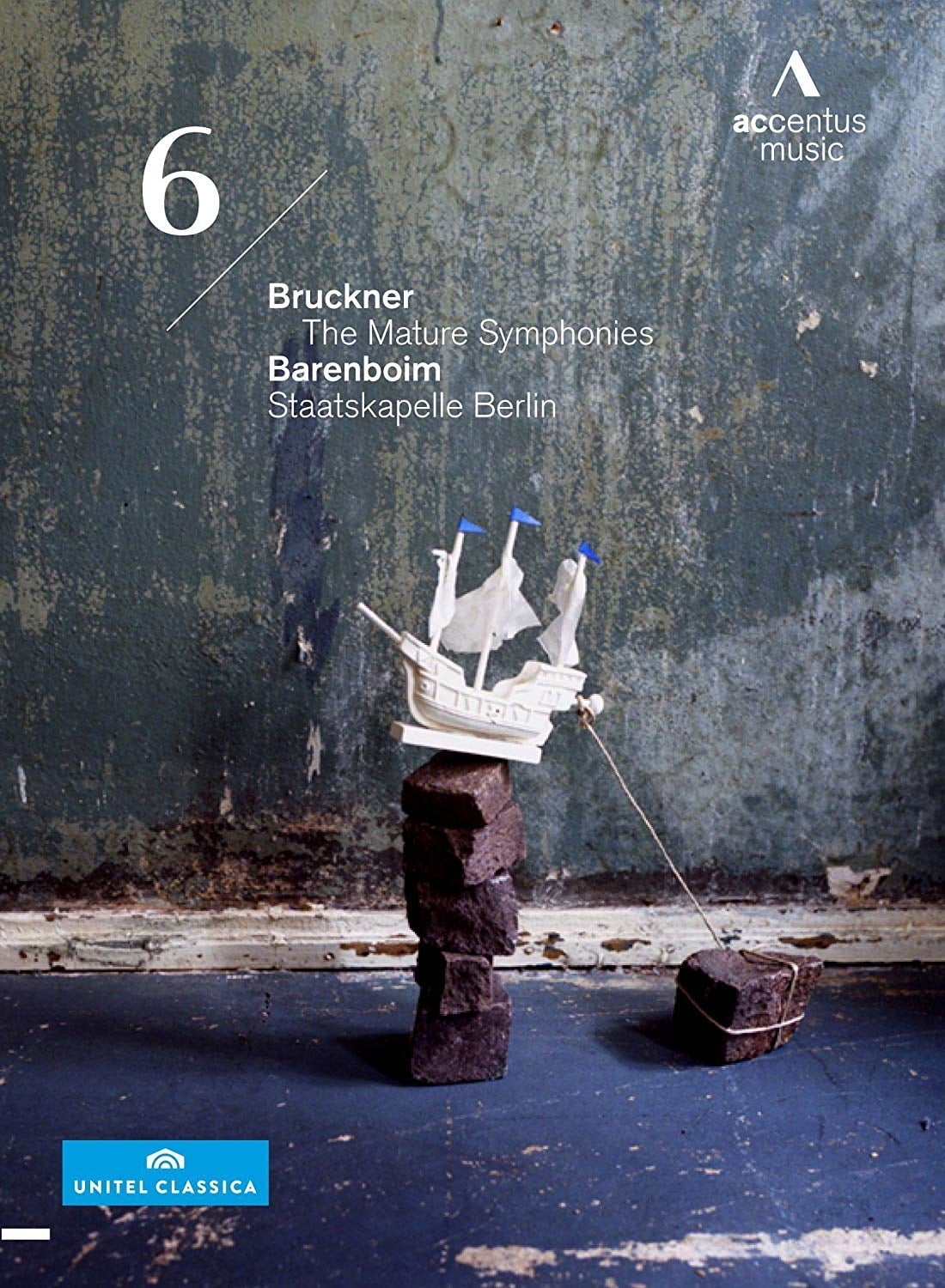
Bruckner: Symphony No. 6
Anton Bruckner’s 6th Symphony was written between 1879 and 1881: a very happy time in his life. Unlike most of Bruckner’s symphonies, the 6th was not revised. Of all his works, this one seems to come from a single source of inspiration. Bruckner himself called it his “boldest” symphony – probably due to its extreme degree of motivic, rhythmic and harmonic originality. This live recording of the seldom-performed 6th Symphony is the next instalment of the acclaimed Bruckner cycle by the Staatskapelle Berlin and Daniel Barenboim. Anton Bruckner Symphony No. 6 in A major (original version) Daniel Barenboim, Conductor Staatskapelle Berlin Recorded live at the Philharmonie Berlin, 22 June 2010
Insights
Plot Summary
Anton Bruckner's Symphony No. 6 in A major is the last symphony he completed in its entirety. Composed between 1879 and 1884, it is often considered his most perfectly proportioned and optimistic work. The symphony is noted for its clarity, formal balance, and lyrical beauty, especially in its slow movement. It stands as a significant achievement in the Romantic symphonic tradition.
Critical Reception
As a specific recording from 2014, critical reception would vary widely depending on the orchestra, conductor, and recording label. However, Bruckner's Symphony No. 6 itself is generally highly regarded by critics and audiences for its unique blend of grandeur and intimate lyricism. It is often praised for its optimistic tone compared to some of Bruckner's other symphonies.
What Reviewers Say
Praised for its formal perfection and optimistic spirit.
Lauded for its lyrical melodies and clear structure.
Considered one of Bruckner's most accessible and masterfully crafted symphonies.
Google audience: N/A (As a classical music recording, specific aggregated Google user reviews are not typically available in a comparable format to film/TV).
Awards & Accolades
N/A (Specific to a 2014 recording, not the composition itself. The composition is a cornerstone of the orchestral repertoire, frequently performed and celebrated in concert halls worldwide.)
Fun Fact
Bruckner himself referred to his Sixth Symphony as his 'most perfect' work, notably adding that it was 'the bravest' of his symphonies, likely due to its confident and less overtly religious character compared to some of his earlier symphonies.
AI-generated overview · Verify ratings on official sources