Movie spotlight
In the land of the mountain people: Days in Lapland
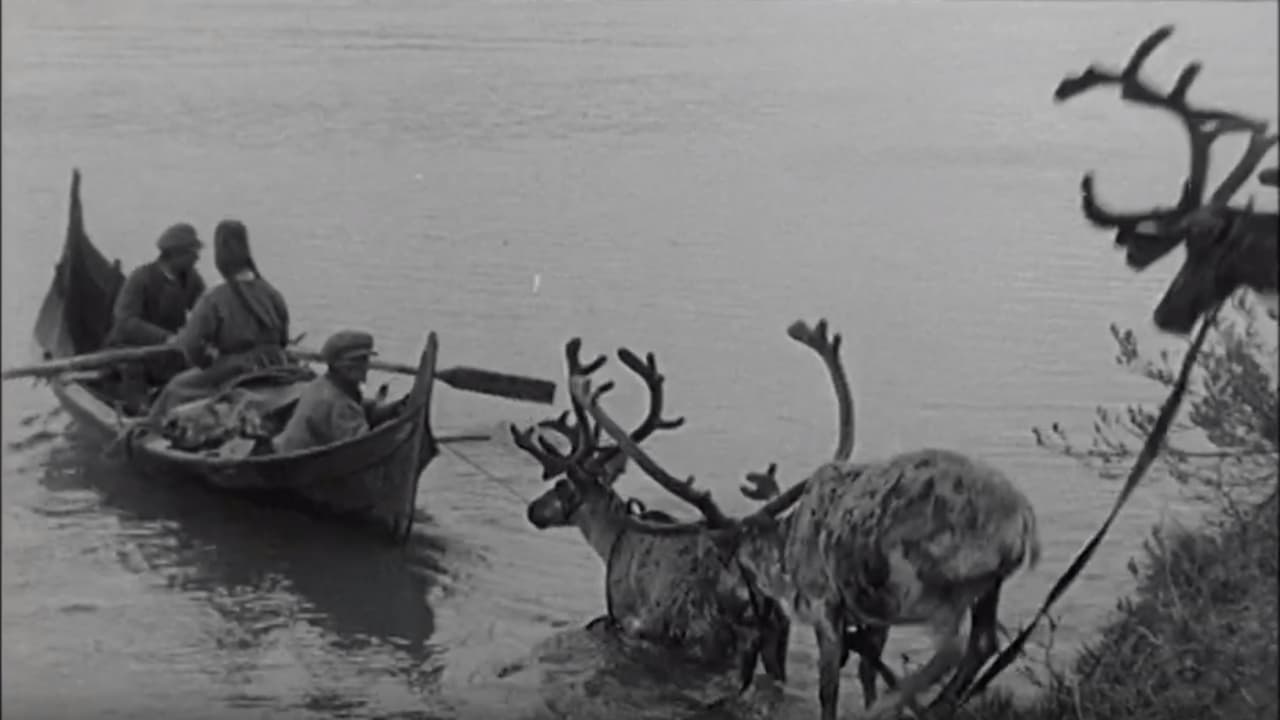
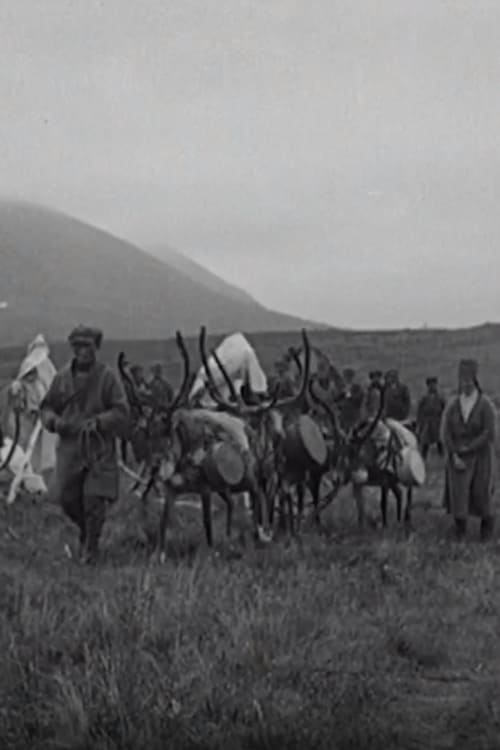
The everyday life of the Karesuando Sámi at the Sarek Mountains, near their camp, the sita. Traditionally, the Sámi have pursued a variety of livelihoods, including coastal fishing, fur trapping, and sheep herding. Their best-known means of livelihood is semi-nomadic reindeer herding. The genetic makeup of Sámi people has been extensively studied for as long as such research has been in existence. Ethnographic photography of the Sámi began with the invention of the camera in the 19th century. This continued on into the 1920s and 1930s, when Sámi , against their will, were photographed naked and anatomically measured by scientists,.
Insights
Plot Summary
This early documentary offers a glimpse into the lives and traditions of the Sami people in Lapland during the 1920s. It captures the stark beauty of the Arctic landscape and follows the daily routines of a nomadic community, highlighting their connection to reindeer herding and their resilience in a challenging environment.
Critical Reception
As an early ethnographic documentary, 'Days in Lapland' is valued for its historical and anthropological significance rather than for its cinematic artistry. Contemporary reviews, though scarce, likely focused on its novelty and its portrayal of a remote culture.
What Reviewers Say
Pioneering ethnographic filmmaking capturing a unique culture.
Offers a rare, historical window into Sami life and traditions.
Visually documents the harsh yet beautiful Lapland environment.
Google audience: Information on specific audience reception and reviews from Google users is unavailable for this historical documentary.
Fun Fact
This film is considered one of the earliest surviving feature-length documentaries focusing on the Sami people and their traditional way of life.
AI-generated overview · Verify ratings on official sources