Movie spotlight
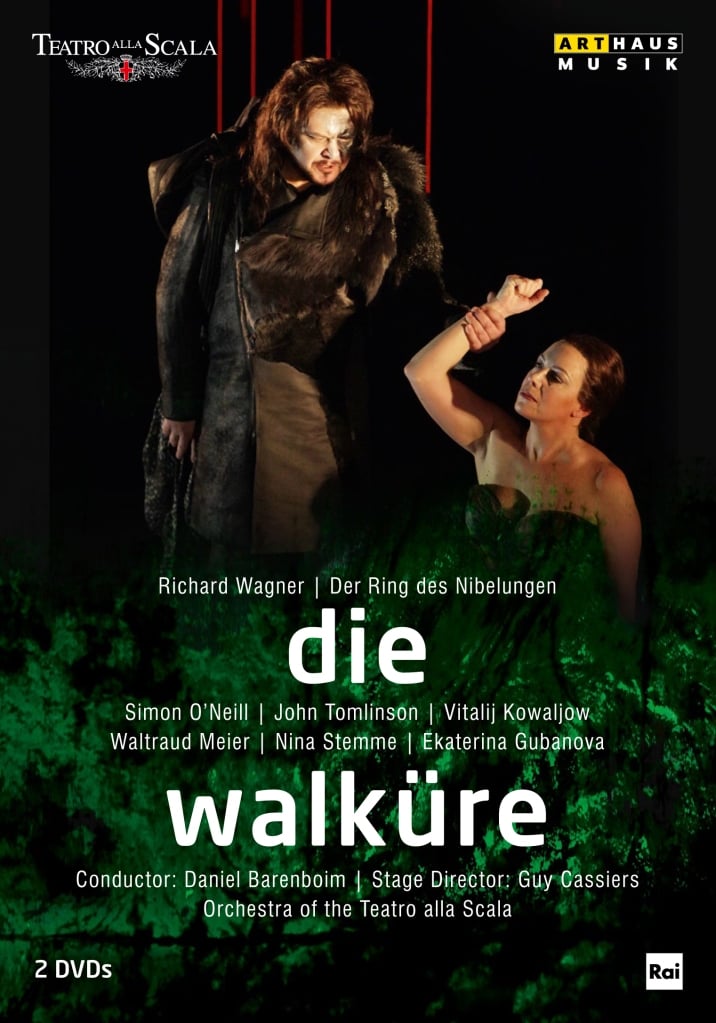
Wagner: Die Walküre
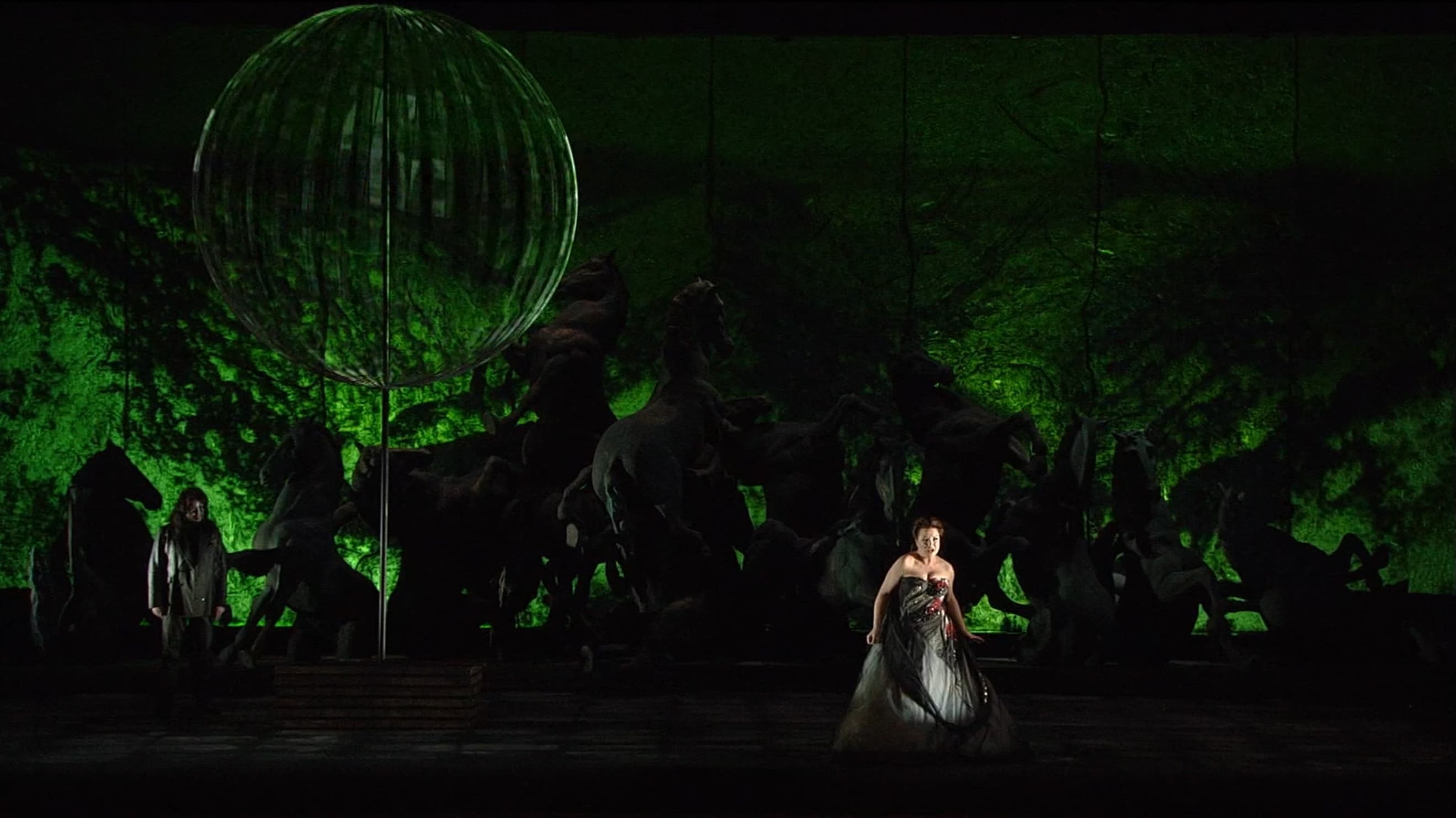
Richard Wagner called Die Walküre the “first evening” of the Ring of the Nibelung; he called Das Rheingold the prologue or Vorabend. Musically and dramatically, we are introduced to a radically new and different world when the opening bars of Die Walküre resound. A fully developed orchestral palette of Leitmotivs paints a wild storm scene, and the curtain rises on a modest dwelling: a fully human scene that has nothing to do with the gods, dwarves and nymphs of Das Rheingold. At the same time, however, the way Die Walküre portrays radical beginnings reveals some telling reminiscences of the unfolding of Das Rheingold. Die Walküre is exciting and deeply feeling drama.
Insights
Plot Summary
The second part of Wagner's epic Ring Cycle, Die Walküre, continues the tragic story of Siegmund and Sieglinde, twins who fall in love and defy the gods. Their fate is intertwined with Wotan, king of the gods, his wife Fricka, and the Valkyrie Brünnhilde, who is torn between her divine duty and her burgeoning sympathy for mortals. The opera culminates in a fiery prelude to the next installment, exploring themes of love, fate, and the downfall of the gods.
Critical Reception
Robert Lepage's ambitious and technologically driven production of Die Walküre, part of the Metropolitan Opera's Der Ring des Nibelungen, was met with a mix of awe and criticism. While praised for its innovative stagecraft and visual spectacle, some found the technology occasionally overshadowed the human drama and vocal performances. The singing, however, was generally lauded, with standout performances from the principal singers.
What Reviewers Say
Praised for its groundbreaking visual effects and massive scale.
Criticized by some for prioritizing technology over emotional depth.
Generally lauded for strong vocal performances from the lead singers.
Google audience: Audience reception for this production was varied, with many appreciating the sheer spectacle and technological innovation. However, some viewers felt the elaborate staging detracted from the operatic experience, while others found the performances compelling.
Fun Fact
The elaborate, digitally-controlled stage set for Lepage's Ring Cycle reportedly cost upwards of $16 million, making it one of the most expensive opera productions in history.
AI-generated overview · Verify ratings on official sources