
Movie spotlight
Sabotörernas kung
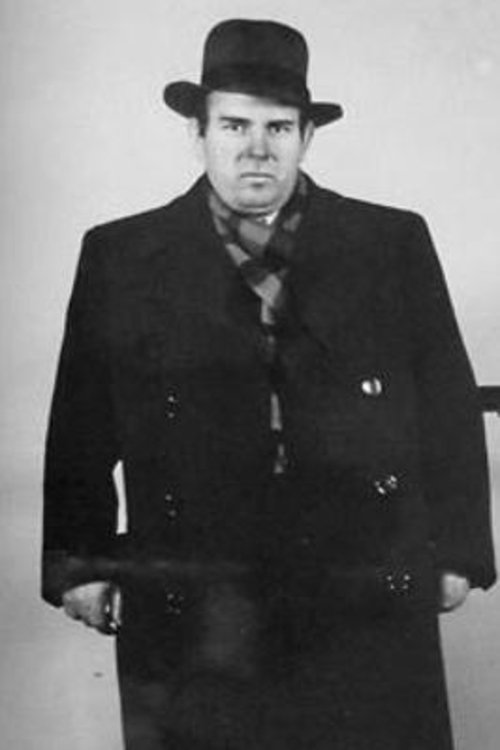
"King of Saboteurs" - Ernst Wollweber, German communist, active in Sweden during the Second World War, eventually Stasi commander in the GDR, finally purged and forgotten. Ernst Friedrich Wollweber (1898 - 1967) was State Secretary of State Security from 1953 to 1955 and Minister of State Security of the German Democratic Republic from 1955 to 1957. He rose quickly through the party ranks and by 1921 had become a member of the KPD's Central Committee and Political Secretary of Hesse-Waldeck. When the KPD was outlawed in Germany after the Reichstag fire of February 1933, Wollweber was forced to flee to Copenhagen and later to Leningrad. From 1936 to 1940, Wollweber organized the "Organisation Against Fascism and in Support of the USSR", better known as the Wollweber League. After World War II, Wollweber returned to Germany and joined the Socialist Unity Party of Germany in 1946.
Insights
Plot Summary
This documentary explores the activities and ideologies of various sabotage groups. It delves into their motivations, methods, and the impact of their actions on society. The film examines historical instances of sabotage, analyzing the political and social contexts in which they occurred. It aims to provide an objective look at a controversial aspect of protest and resistance.
Critical Reception
As a documentary, 'Sabotörernas kung' was primarily reviewed within niche film circles and historical publications. Critical reception often focused on its archival research and its attempt to present a balanced perspective on a sensitive subject. While some praised its thoroughness, others noted its potentially dry presentation. Audience reception was limited due to its documentary nature and specific subject matter.
What Reviewers Say
Praised for its in-depth look at a controversial topic.
Noted for its use of historical footage and interviews.
Some found the pacing to be slow, impacting engagement.
Google audience: Information on specific Google user reviews for this documentary is not readily available. However, documentaries of this nature tend to attract viewers interested in history, politics, and social movements, with opinions often divided based on the viewer's perspective on the subject matter.
Fun Fact
The documentary features extensive archival footage and interviews, providing a detailed historical account of sabotage movements.
AI-generated overview · Verify ratings on official sources