Movie spotlight
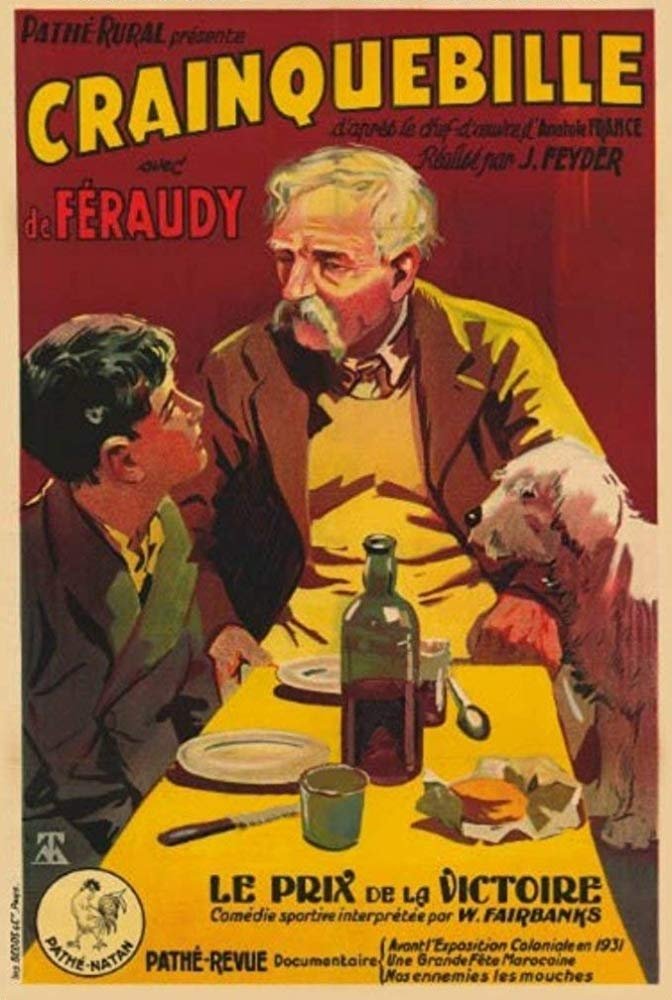
Crainquebille
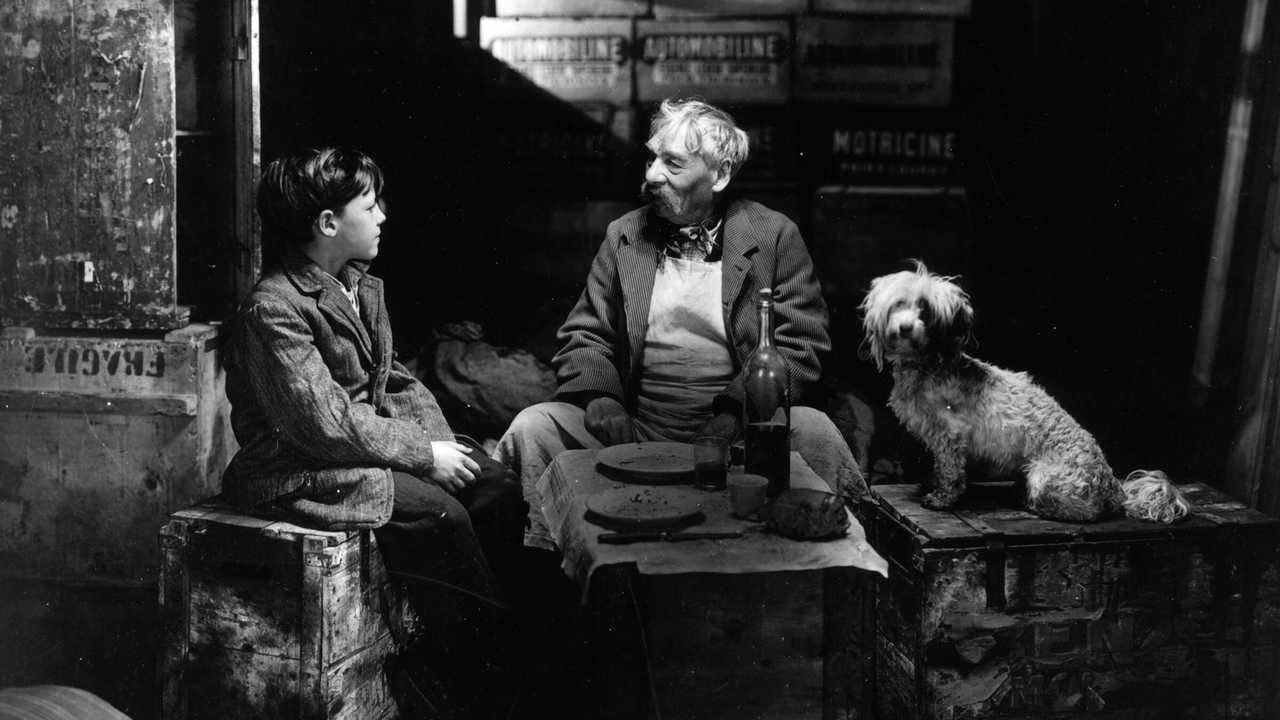
Jérôme Crainquebille, is an ageing vegetable seller who has sold groceries from his cart in in Paris for over 40 years. One day, he is harassed by a policeman who insists that he moves on. When he protests, Crainquebille is arrested, supposedly for swearing at the policeman.
Insights
Plot Summary
In this silent film, Crainquebille, an honest but impoverished street vendor, is unjustly arrested and convicted for insulting a police officer. His life takes a dramatic turn as he navigates the harsh realities of the justice system and the indifference of society. The film explores themes of social injustice and the plight of the common man in early 20th-century Paris.
Critical Reception
Critically acclaimed for its powerful social commentary and Feyder's masterful direction, 'Crainquebille' is considered a significant work in early French cinema. It effectively portrays the harsh realities faced by the working class and critiques the arbitrary nature of justice, resonating with audiences and critics alike for its emotional depth and humanistic approach.
What Reviewers Say
Praised for its poignant depiction of social injustice.
Lauded for Jacques Feyder's sensitive and realistic direction.
Considered a powerful early example of cinema's ability to address social issues.
Google audience: Information regarding specific Google user reviews for this silent film from 1922 is not readily available in modern public records.
Fun Fact
The film is based on a short story by Anatole France, a Nobel Prize laureate in Literature.
AI-generated overview · Verify ratings on official sources