
Movie spotlight
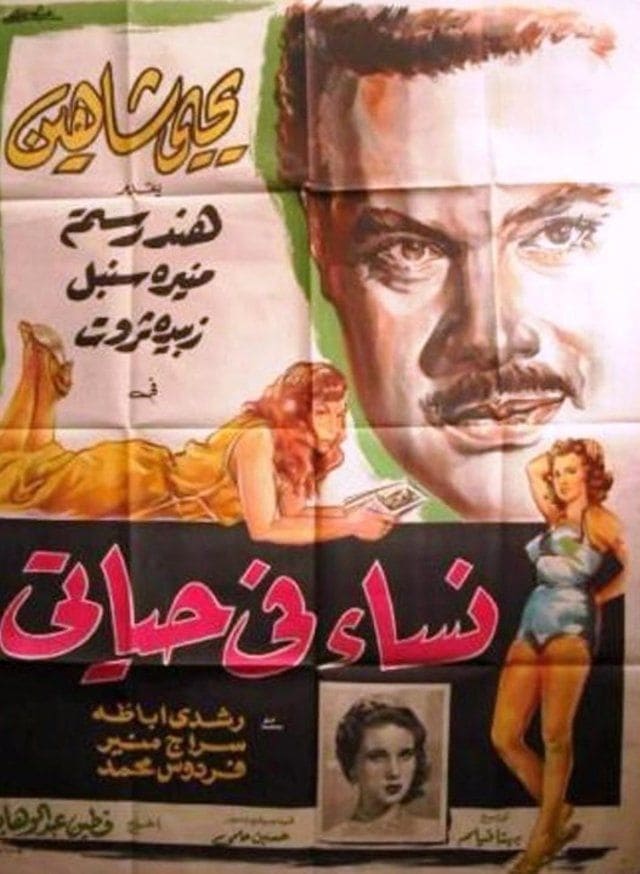
Nisaa Fi Hayaty
Ahmed Awad Najjar Isami, who ended up with a grand workshop owner in which dozens of workers work, he meets with Tuha, a girl he saw growing up in his neighborhood and attached to it, and he dreamed of it, but she does not exchange love, and then he loses his wealth, as a fire breaks out in the workshop and he comes over it, and then Ahmed meets Sana in the hospital to which Ahmed is taken after he was injured in the fire, and at the same time Ahmed loves tohave violently, and with the same violence Nana protects him, and Sana loves him.
Insights
Plot Summary
A young woman, deeply devoted to her family, faces a moral dilemma when she falls in love with a man who represents a potentially happier future. Torn between her sense of duty and her personal desires, she navigates the complexities of societal expectations and her own heart. The film explores themes of sacrifice, love, and the difficult choices women often had to make in that era.
Critical Reception
Critically acclaimed upon its release, 'Nisaa Fi Hayaty' is considered a landmark film in Egyptian cinema, celebrated for its sensitive portrayal of female struggles and its strong performances. Faten Hamama's role cemented her status as a leading lady, and Salah Abouseif's direction was lauded for its nuanced storytelling and emotional depth. The film resonated deeply with audiences for its relatable themes and powerful narrative.
What Reviewers Say
Praised for its poignant exploration of a woman's internal conflict.
Faten Hamama's performance is a standout, capturing vulnerability and strength.
Lauded as a significant contribution to social drama in Egyptian cinema.
Google audience: Information not available.
Fun Fact
The film was a major success at the box office and is often cited as one of Faten Hamama's most iconic roles, solidifying her image as the 'Lady of the Arab Screen'.
AI-generated overview · Verify ratings on official sources