Die Deutschmeister
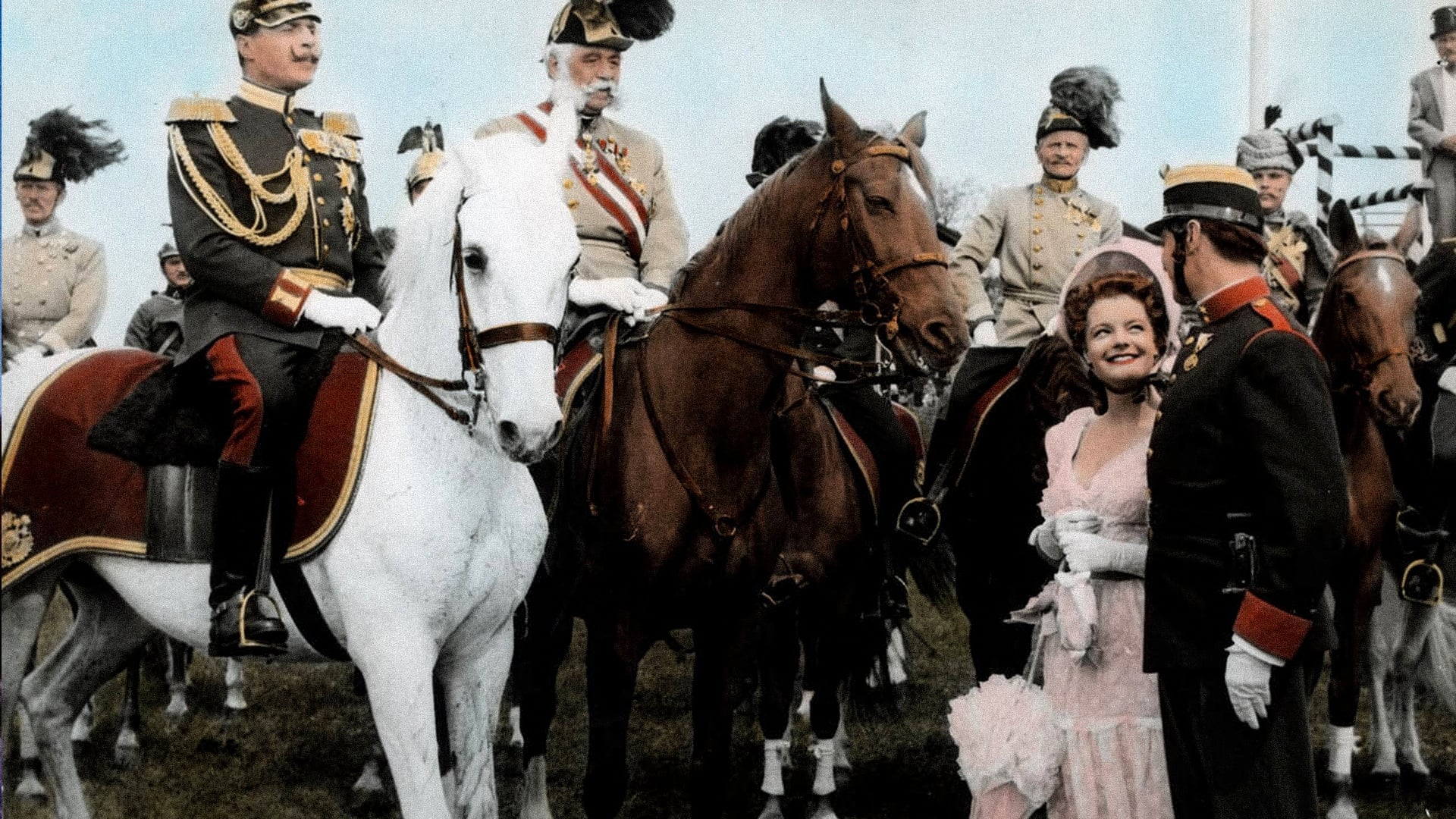
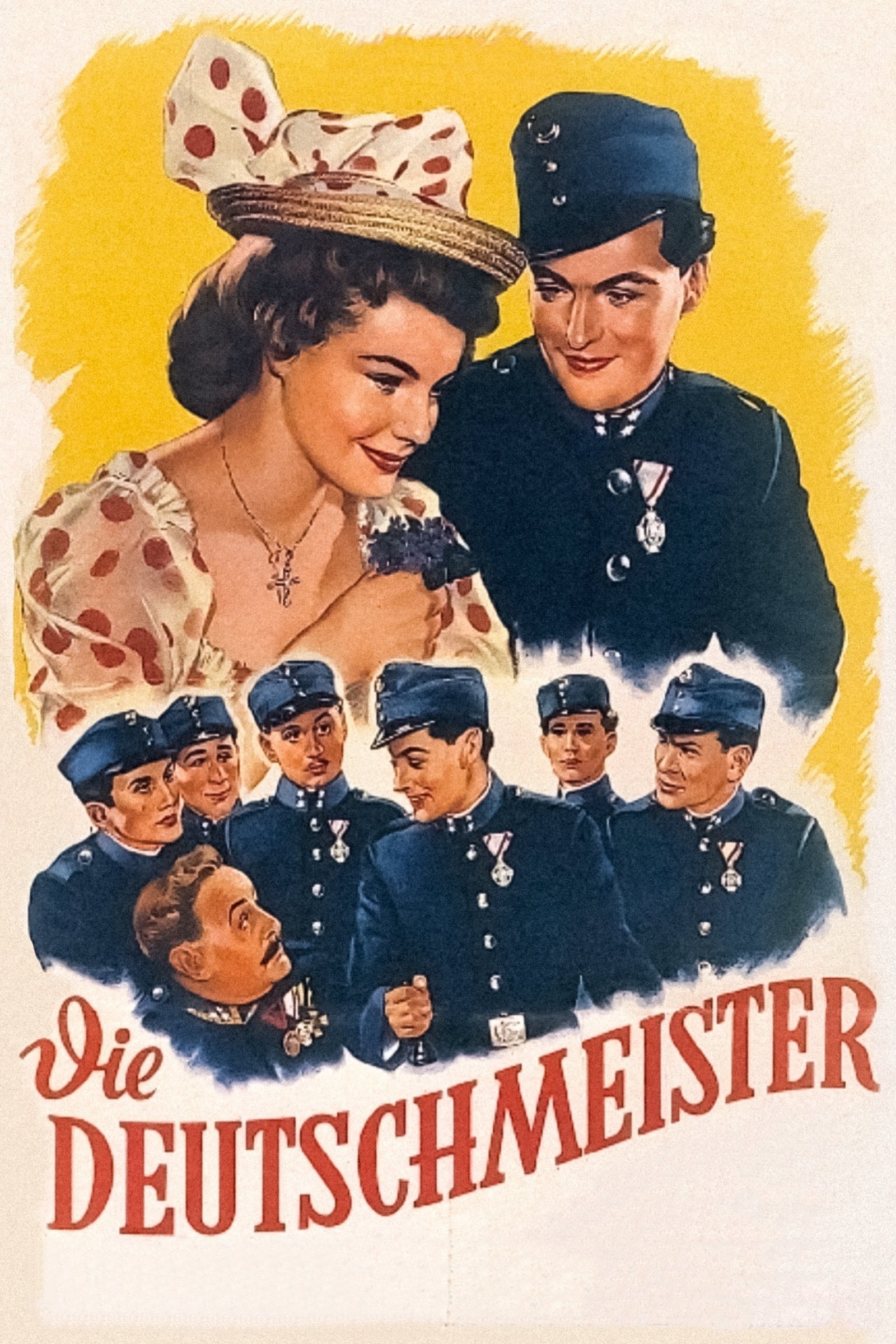
Young Stanzi who is visiting Vienna helps a young corporal and musician to become famous for his marching song "Die Deutschmeister".
Insights
Plot Summary
In 1809, during the Napoleonic Wars, the story follows the "Deutschmeister" regiment of Vienna as they prepare for battle. Amidst the turmoil, young noblewoman Elisabeth falls for Lieutenant Franz, a common soldier. Their budding romance unfolds against the backdrop of patriotic fervor and the impending conflict, highlighting themes of love and duty.
Critical Reception
The film was a popular success in post-war Germany and Austria, capitalizing on the nostalgia for a romanticized past and the charisma of its young stars. While not a critical darling, it was praised for its lighthearted entertainment, musical numbers, and the charm of Romy Schneider. It holds a sentimental place in the history of German-language cinema of the 1950s.
What Reviewers Say
- Praised for its charming lead performances, especially Romy Schneider.
- Enjoyed for its lighthearted blend of music, romance, and historical setting.
- Seen as a pleasant, nostalgic entertainment from a specific era.
Google audience: Audience reception is generally positive, with viewers appreciating the film's nostalgic charm, musical interludes, and the romantic storyline. Many recall it fondly as a classic piece of light entertainment from the 1950s.
Fun Fact
The film was directed by Ernst Marischka, who was also known for his popular Sissi trilogy starring Romy Schneider, which further cemented her status as a beloved actress in German-speaking countries.
AI-generated overview · Verify ratings on official sources