
Movie spotlight
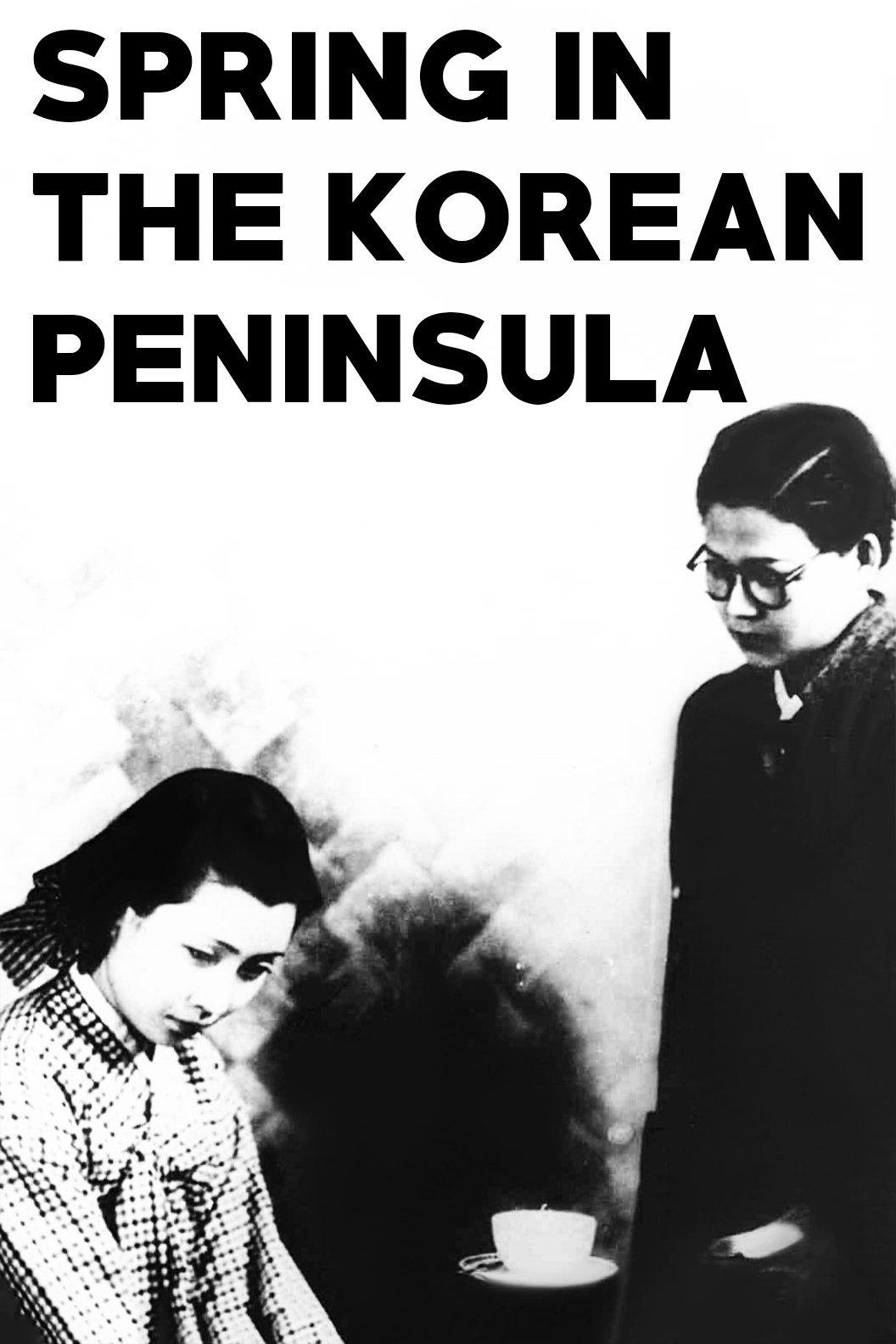
Spring of Korean Peninsula
A young filmmaker and his crew struggle to bring the famous Korean story of Chunghyang to the big screen. Torn between two very different women and facing financial ruin, the director makes a rash and foolish choice in order to realize his dreams.
Insights
Plot Summary
Set against the backdrop of Japanese colonial rule in Korea, the film depicts the struggles and aspirations of Koreans striving to maintain their identity and culture. It follows the intertwined lives of various characters as they navigate the oppressive environment, seeking hope and resilience amidst hardship. The narrative explores themes of nationalism, sacrifice, and the enduring spirit of the Korean people.
Critical Reception
As a historical film from the colonial era, 'Spring of Korean Peninsula' is primarily valued for its historical significance and as a reflection of Korean cinematic output during a challenging period. Critical analysis often focuses on its portrayal of Korean sentiment and resistance, though contemporary critical reviews from the time are scarce. Its reception is largely understood through the lens of its era and its role in preserving a sense of national identity.
What Reviewers Say
A significant work for its time, reflecting Korean struggles under occupation.
Explores themes of national identity and resilience.
Valuable for its historical context rather than purely cinematic merits.
Google audience: Information on Google user reviews for this film is not available due to its age and historical context.
Fun Fact
This film is considered one of the few surviving examples of Korean cinema produced during the Japanese colonial period, offering a rare glimpse into the filmmaking and societal conditions of that era.
AI-generated overview · Verify ratings on official sources