
Insights
Plot Summary
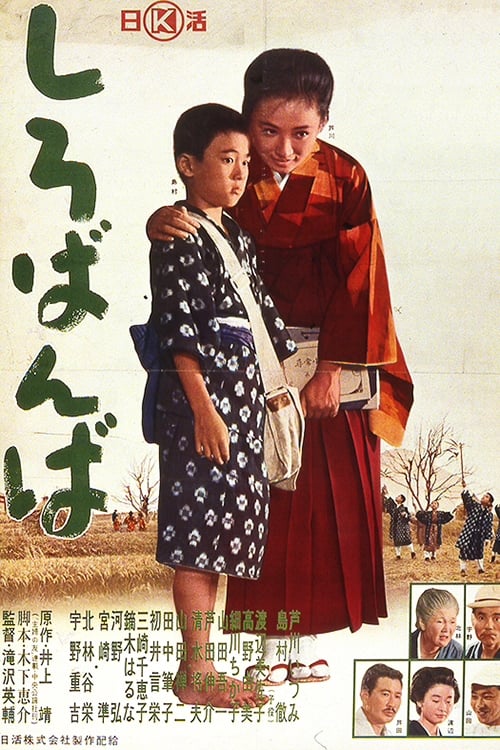
A poignant drama set in the picturesque Izu Peninsula, the film follows the lives of a group of women working at a traditional inn. Facing societal expectations and personal struggles, they navigate love, loss, and their desire for independence. The story highlights their resilience and the complexities of their relationships against the backdrop of a changing Japan.
Critical Reception
Children of Izu was critically acclaimed for its sensitive portrayal of female characters and its evocative depiction of rural Japanese life. Critics praised its strong performances and its understated yet powerful narrative, resonating with both domestic and international audiences for its universal themes of human connection and perseverance.
What Reviewers Say
Praised for its empathetic characters and moving storyline.
Noted for its beautiful cinematography and cultural authenticity.
Appreciated for its subtle exploration of female resilience.
Google audience: Audience reviews often highlight the film's emotional depth and its effective storytelling, appreciating its portrayal of everyday struggles and the strength of its female protagonists.
Awards & Accolades
Nominated for the Golden Bear at the 1963 Berlin International Film Festival.
Fun Fact
The film is based on a novel of the same name by Nobel Prize-winning author Yasunari Kawabata, although the film diverges significantly from the source material in its focus and narrative.
AI-generated overview · Verify ratings on official sources