Movie spotlight
Charlie Says
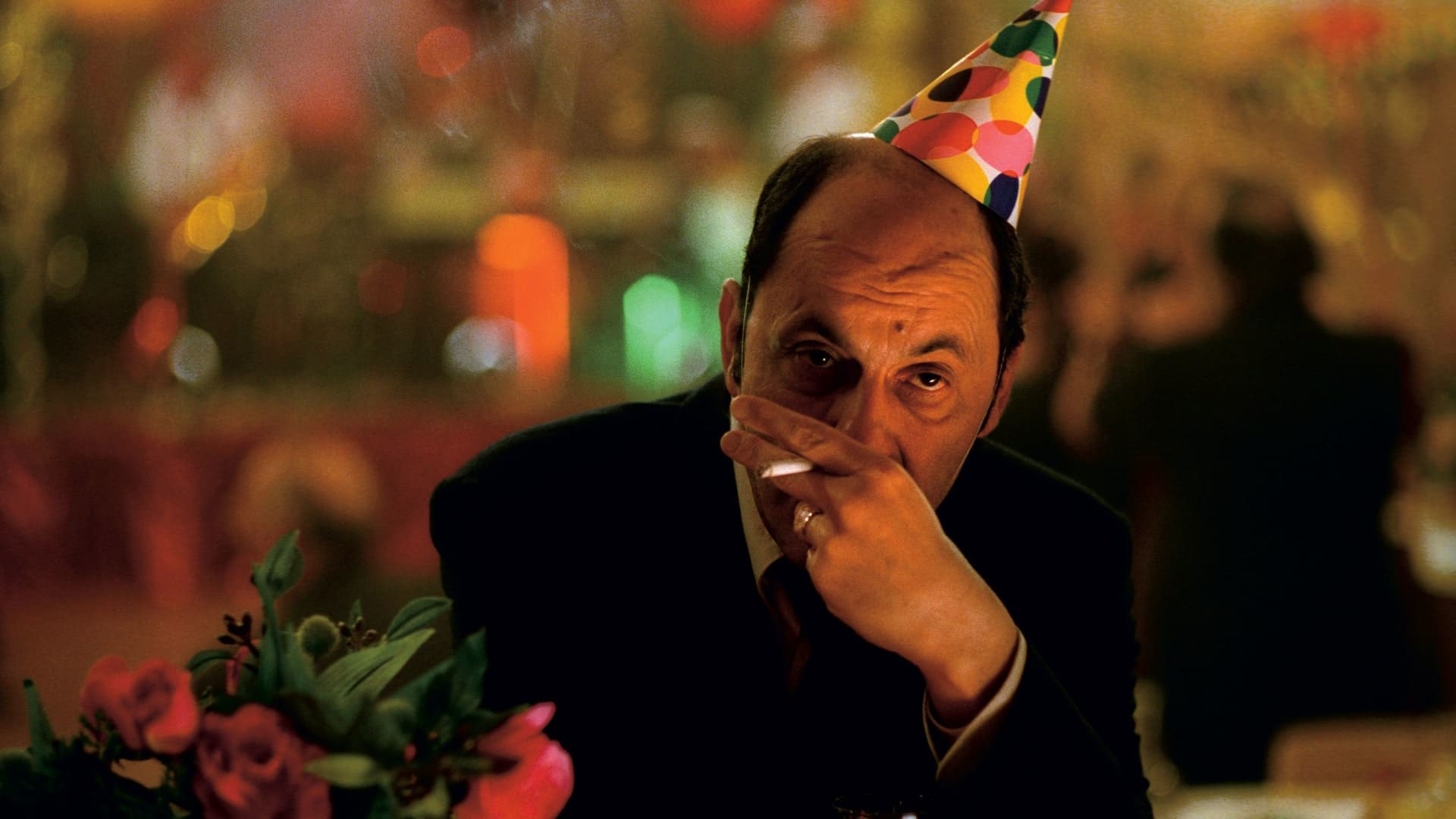
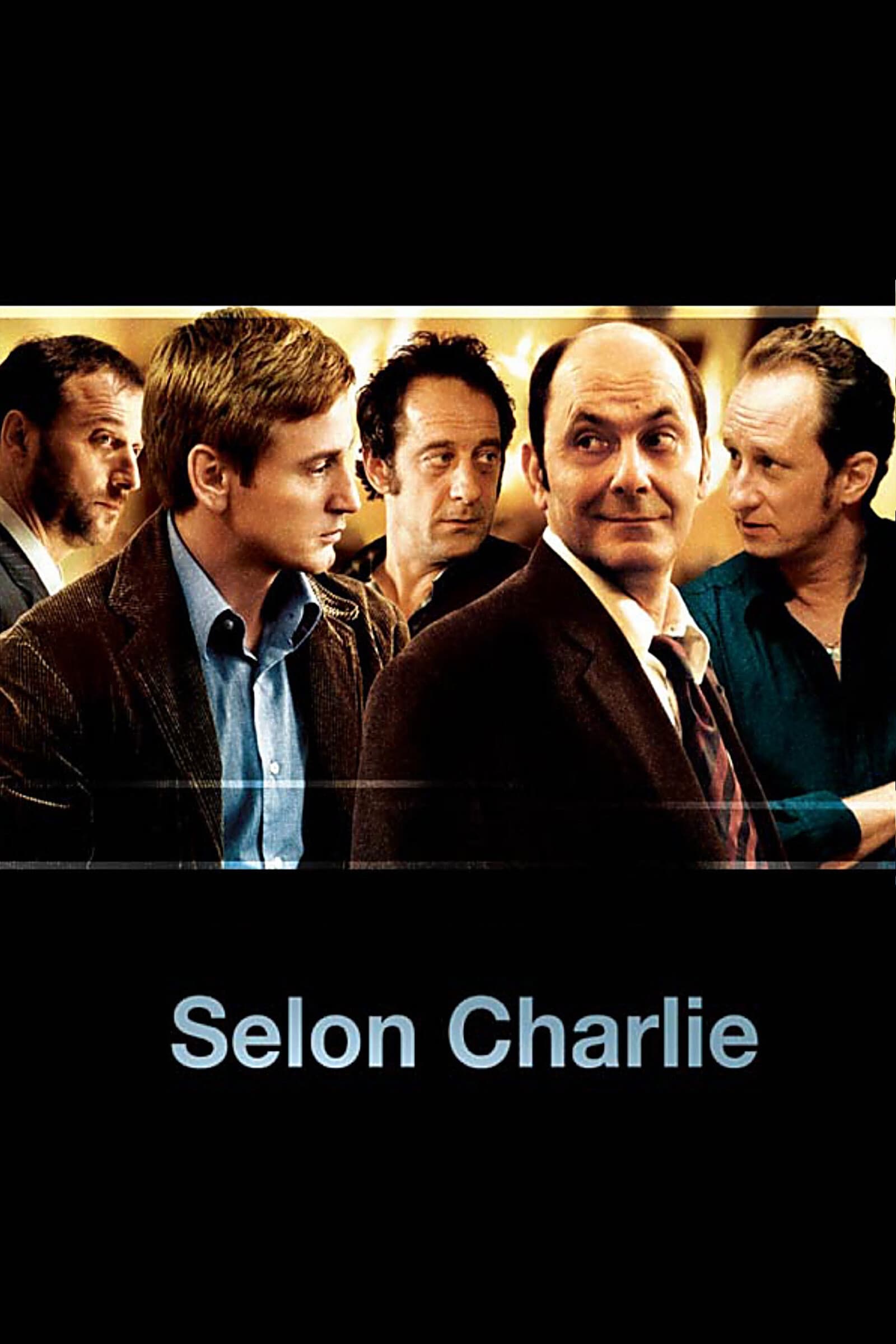
The seemingly separate lives of a group of men intersect entwining the fates of each of them over the course of a week.
Insights
Plot Summary
In the late 1960s, three young women fall under the spell of Charles Manson, becoming devoted members of his cult. As the group's actions escalate towards horrific violence, one young woman, Leslie Van Houten, begins to question Manson's authority and the path they are on. The film follows her journey as she navigates the dangerous manipulation and eventual descent into crime, culminating in her arrest and trial.
Critical Reception
Charlie Says received generally positive reviews from critics, who praised its direction, performances, and its focus on the female perspective within the Manson Family. While some found it somewhat conventional in its approach to the true-crime genre, the film was largely commended for humanizing the women involved and exploring the psychological dynamics at play.
What Reviewers Say
The film offers a compelling look at the women drawn into Manson's orbit.
Mary Harron's direction is praised for its subtle yet effective exploration of manipulation.
Performances, particularly by the lead actresses portraying the young women, are a standout.
Google audience: Audience reviews generally highlight the film's insightful portrayal of how individuals, particularly young women, could be susceptible to charismatic manipulation. Many appreciated the shift in focus from Manson himself to the women's experiences and psychological journeys.
Fun Fact
Director Mary Harron deliberately avoided showing Charles Manson in a flattering or overtly charismatic light, opting instead to focus on his manipulative tactics and the environment he created.
AI-generated overview · Verify ratings on official sources