Movie spotlight
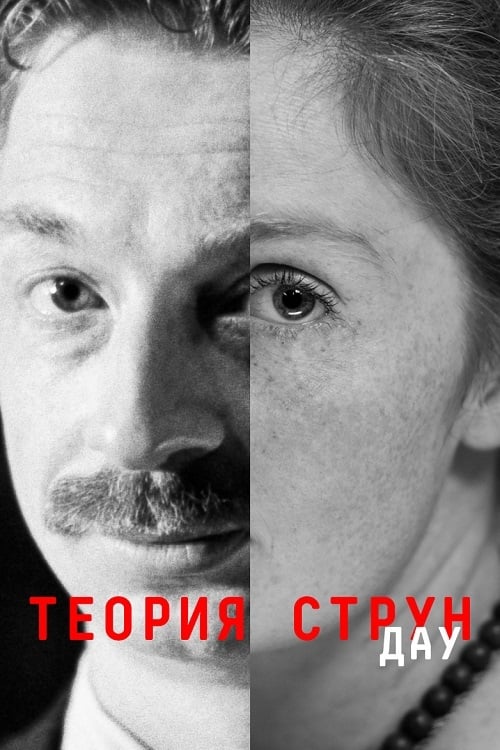
DAU. String Theory
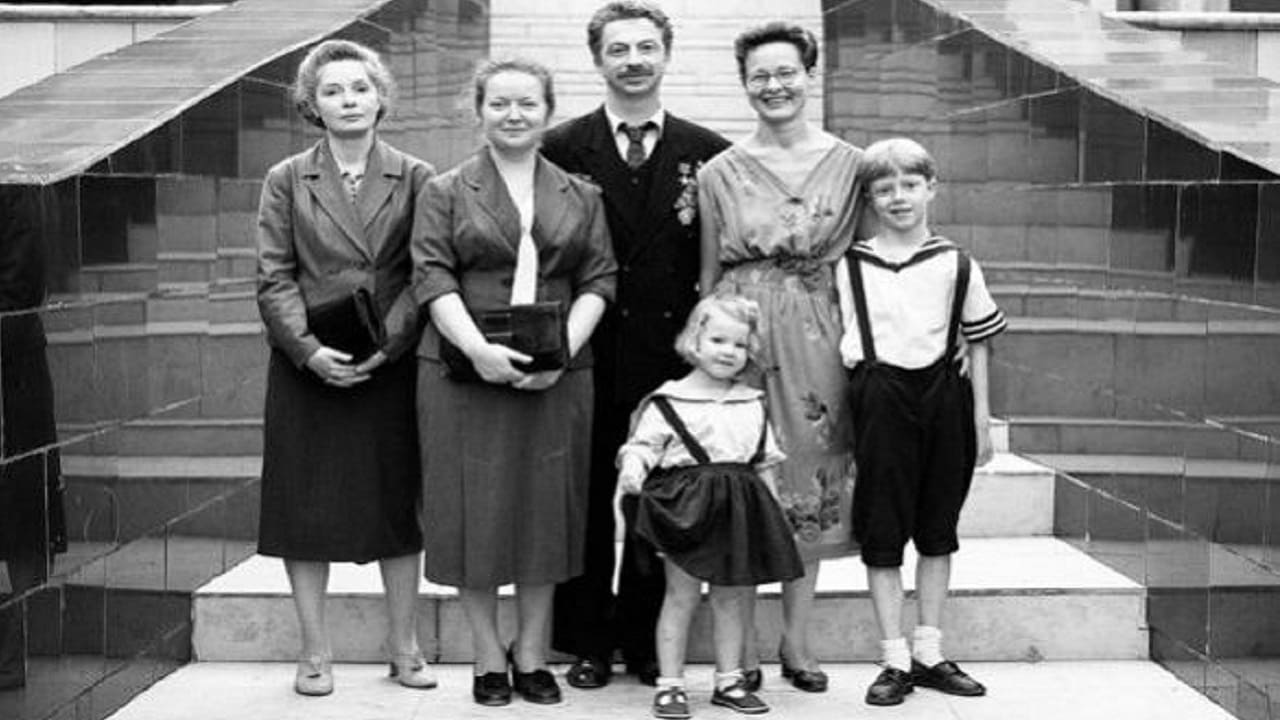
Nikita Nekrasov is a scientist, a theoretical physicist who studies our world and other possible worlds. He refuses to make a choice between mathematics and physics, between one woman and another, as he ponders the existence of the multi-universe. At scientific conferences, attended by eminent foreign scientists and a rising younger generation of physicists alike, Nekrasov gets carried away debating the beauty of string theory. He attempts to explain to all of his women – Katya, the librarian, Zoya, the scientific secretary, Svetalana, the head of department – about the theory of his own polygamy, and the possibility of having enough feelings to satisfy everyone.
Insights
Plot Summary
Set in a dystopian Soviet Union in the 1960s, the film follows the secluded life of a brilliant but eccentric scientist. Within the confines of his isolated research facility, he grapples with the mysteries of the universe and the complexities of human existence. His work, seemingly detached from the outside world, begins to blur the lines between scientific endeavor, personal relationships, and existential philosophy, leading to profound and unsettling discoveries.
Critical Reception
DAU. String Theory, while part of a larger ambitious project, received a mixed reception. Critics were often divided, with some praising its audacious artistic vision, immersive world-building, and intellectual depth, while others found it to be overly long, deliberately obtuse, and emotionally alienating. Its unique approach to filmmaking and its unflinching exploration of complex themes garnered significant discussion.
What Reviewers Say
Praised for its unique and ambitious artistic scope and immersive atmosphere.
Criticized for its challenging, at times impenetrable, narrative and deliberate pacing.
Noted for its thought-provoking exploration of scientific and philosophical themes.
Google audience: Information on Google user reviews is not readily available.
Fun Fact
The expansive DAU project, which includes 'String Theory' and numerous other films and installations, was filmed over several years, with actors living and working in a recreated Soviet-era research institute, blurring the lines between film production and lived experience.
AI-generated overview · Verify ratings on official sources