
Movie spotlight
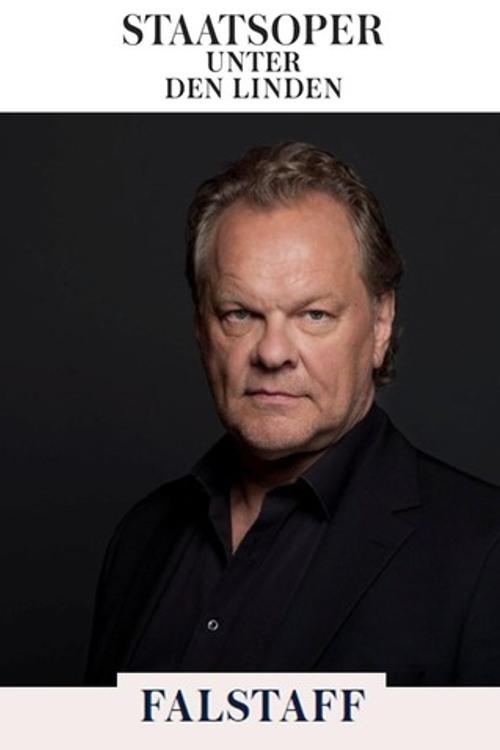
Verdi: Falstaff
Falstaff is Verdi’s masterpiece of comic opera, in which the behaviour of the ageing Sir John Falstaff, a devious freeloader and would-be ladykiller, causes uproar in the petty-bourgeois household of the Windsor’s. In this performance stage and film director Mario Martone updates the action to the present day and shows Falstaff as ageing rebel in dodgy sideburns and leather jacket.
Insights
Plot Summary
This production reimagines Shakespeare's "The Merry Wives of Windsor" and "Henry IV Parts 1 & 2" by placing Sir John Falstaff in a modern, yet decaying, institution. Falstaff, a bombastic and aging former star of the Soviet era, attempts to seduce two wealthy women to regain his former glory. The opera follows his scheming and the women's clever machinations to thwart him, all within a darkly comedic and psychologically charged environment.
Critical Reception
Dmitri Tcherniakov's audacious and unconventional staging of Verdi's final opera, Falstaff, garnered polarizing reactions. While some critics lauded the bold reinterpretation and Tcherniakov's directorial vision for its intellectual depth and striking visuals, others found the modern setting and psychological focus to be a disservice to the opera's comedic spirit and Verdi's musical nuances. The performances were generally praised, particularly the central portrayal of Falstaff, but the overall impact was divisive.
What Reviewers Say
Praised for its innovative and thought-provoking directorial concept.
Criticized for straying too far from the opera's inherent comedic nature.
Noted for strong vocal performances, particularly the titular role.
Google audience: Information on Google user reviews for this specific production is not readily available.
Fun Fact
This production sets the opera in a vaguely Soviet-era sanatorium, transforming Falstaff into a faded star of that era, a departure from traditional stagings.
AI-generated overview · Verify ratings on official sources