Movie spotlight
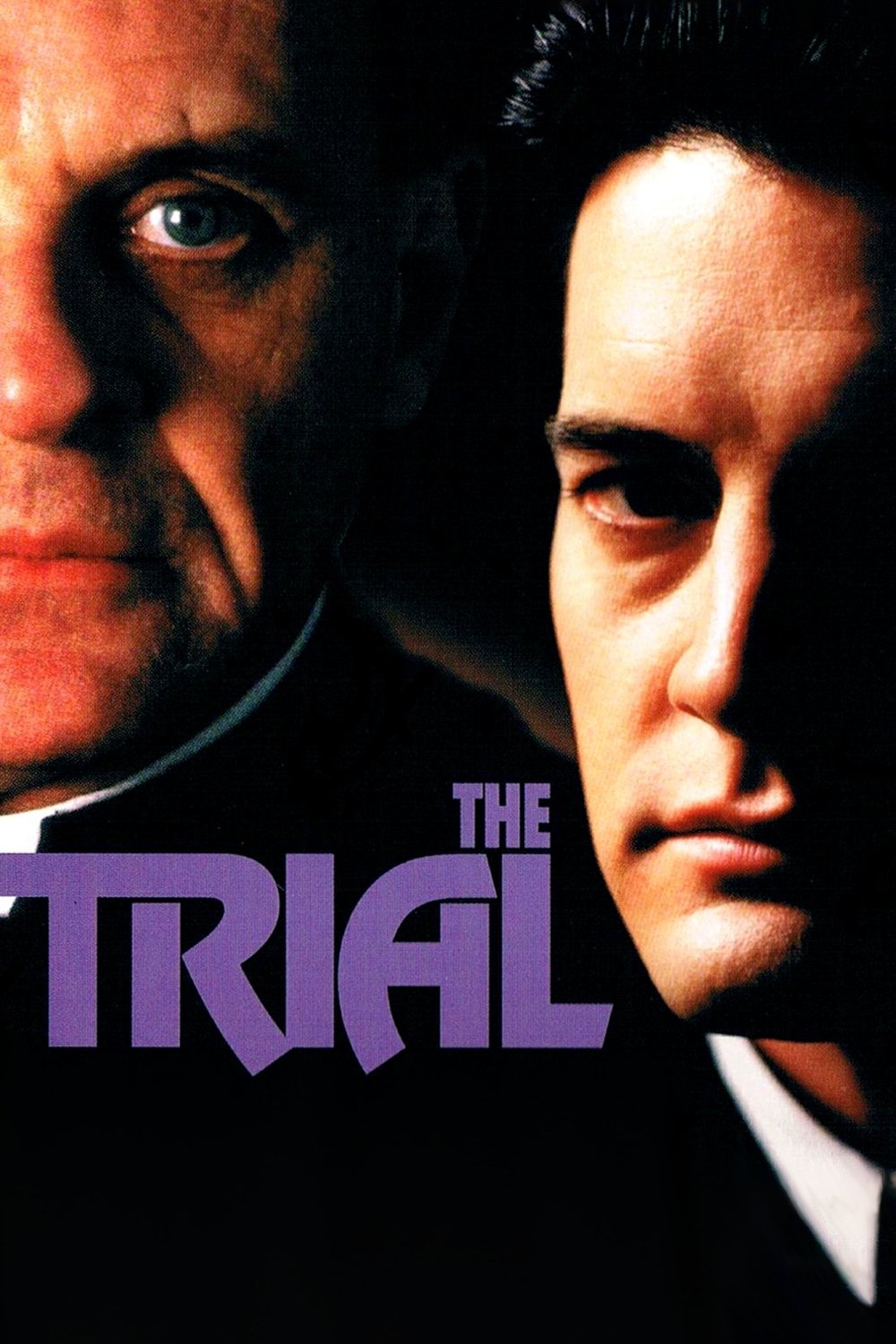
The Trial
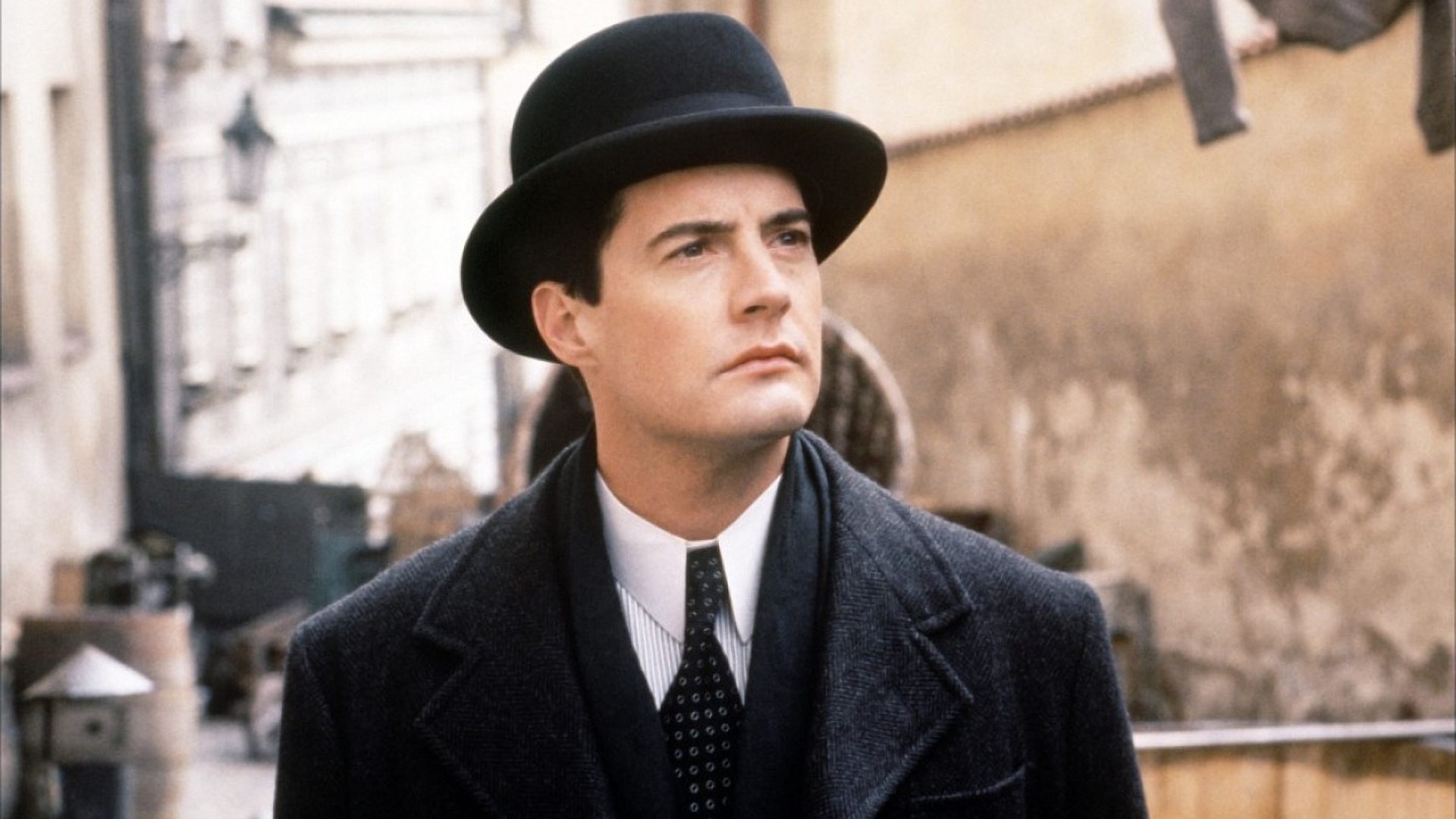
Joseph K. awakes one morning, to find two strange men in his room, telling him he has been arrested. Joseph is not told what he is charged with, and despite being "arrested," is allowed to remain free and go to work. But despite the strange nature of his arrest, Joseph soon learns that his trial, however odd, is very real, and tries desperately to spare himself from the court's judgement.
Insights
Plot Summary
Josef K., a bank clerk, is arrested one morning by two agents from an unknown authority and is informed that he is to stand trial for an unspecified crime. Despite his release, he must attend regular court sessions and faces a bewildering, Kafkaesque legal system that he cannot comprehend or escape. As he navigates this surreal bureaucracy, his life unravels, and he becomes increasingly consumed by his futile efforts to understand and fight the charges against him.
Critical Reception
Orson Welles' final completed film, 'The Trial,' is a stark and existential adaptation of Franz Kafka's novel. While its surreal atmosphere and Welles' distinctive visual style are often praised, the film's disjointed narrative and bleak themes have led to a polarized reception. It is generally regarded as a challenging but artistically significant work, admired for its unique vision even if not universally accessible.
What Reviewers Say
Praised for its unique visual style and atmospheric depiction of Kafka's world.
Criticized for its challenging, often confusing, narrative structure.
Seen as a somber and powerful final statement from a legendary director.
Google audience: Audience reception for 'The Trial' is not readily available through aggregated Google user reviews. However, based on its critical standing and legacy, viewers who appreciate avant-garde cinema and existential themes often find it a compelling and thought-provoking experience, though its density can be a barrier for some.
Fun Fact
Orson Welles shot the film primarily in Paris using locations like the Gare d'Orsay (now the Musée d'Orsay) and the modern office buildings of the Crédit Lyonnais, which he transformed into bleak, oppressive architectural nightmares.
AI-generated overview · Verify ratings on official sources